CNC Machining for Consumer Electronics
Heatsinks, enclosure frames, connector blocks and thermal test fixtures in aluminum and copper, with the cosmetic finish discipline electronics brands need.
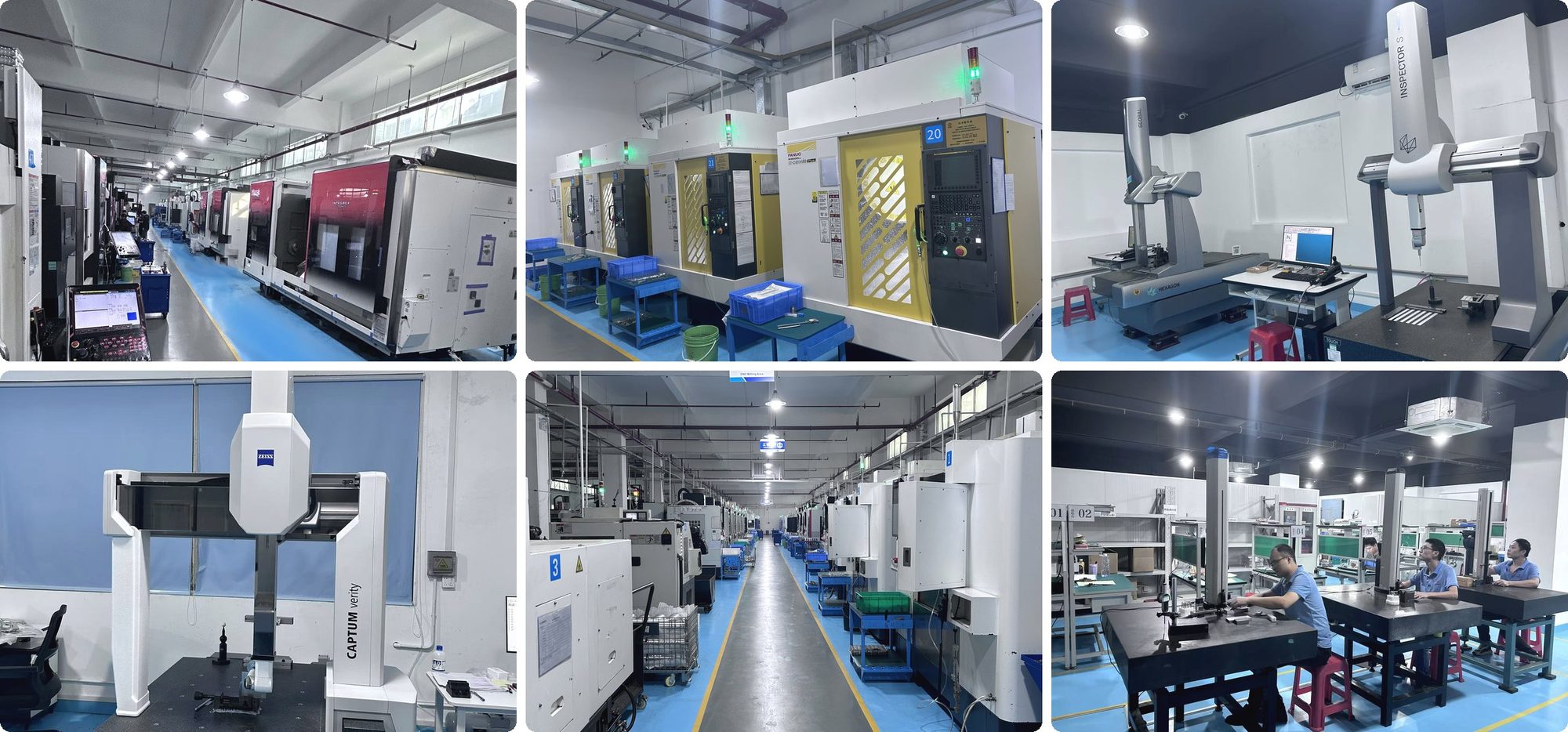
What We Build for Electronics Teams
- Machined finned heatsinks and vapor-chamber-ready cold plates in 6061 and C11000
- Enclosure frames and mid-frames in 6061-T6 with cosmetic anodize
- Connector blocks, RF housings and grounding blocks in C36000 and C14500
- Thermal and EMI test fixtures for lab teams
Thermal Face Quality
| Feature | We hold |
|---|---|
| Heatsink base flatness | 0.02 mm over 200 mm typical |
| Interface roughness | Ra 0.8 standard, Ra 0.4 on request |
| Fin profile | +/-0.05 mm |
| Anodize on thermal faces | Masked, per drawing callout |
Typical parts: 10 part families with tolerances and typical order sizes.
Electronics Machining FAQ
Can you machine finned heatsinks, or are those always skived?
Machined fins make sense at fin pitches above about 1.5 mm and at prototype-to-mid volumes, or when the heatsink is integral to a housing. Below that pitch or at high volume, skived or bonded-fin wins and we will say so.
What surface finish do you recommend for aluminum enclosures?
Type II anodize 8 to 12 micrometers in clear or black, with masking on grounding and connector faces. For ESD-sensitive assemblies we discuss conversion coating instead of anodize.
How do you handle cosmetic tolerance on visible consumer parts?
We agree on a cosmetic face map before production: which faces are visible, which anodize class applies, and what the inspection sample looks like. This avoids the classic anodize-color dispute.
Prototyping a New Enclosure or Heatsink?
Send the CAD; quote and DFM feedback within 24 hours.
Request a Quote