KGL Engineering Blog
Technical guides on CNC machining organized by equipment, industry, and material: process selection, 5-axis machining, tolerances, DFM, and quality systems. Written by KGL engineers.
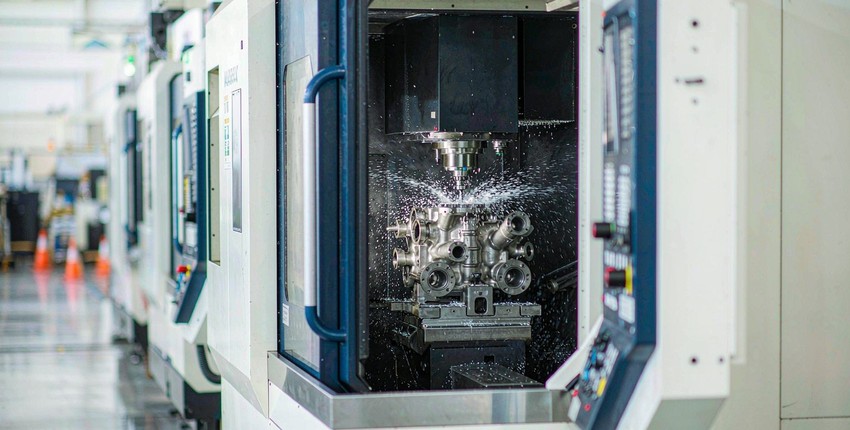
CNC Machining for Oil and Gas Parts: What Wellheads and Auditors Actually Require
How pressure retaining parts are actually machined and released: the stainless, duplex and nickel alloy list behind wellhead and pipeline hardware, why sealing faces and premium threads get their own rules, what an EN 10204 3.1 documentation pack contains, where turn mill and five axis setups cut cost, and how sour service changes the plan.
oil and gas · cnc machining · wellhead · nace mr0175 · traceability
Read more →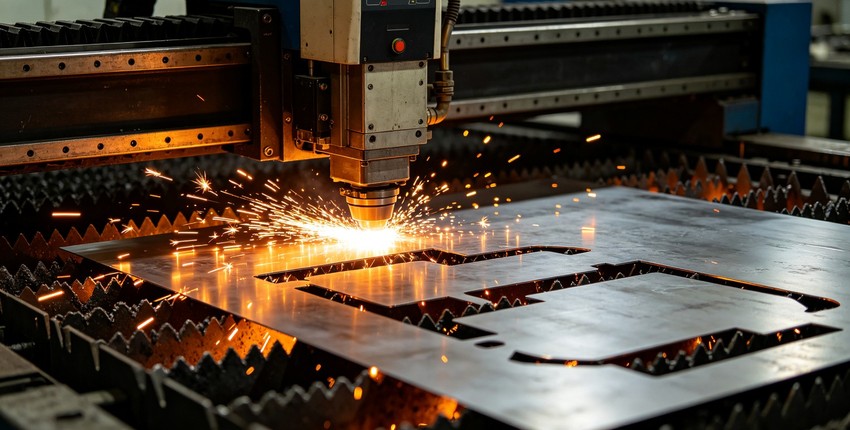
Laser, Waterjet, or CNC Machining? Choose by Thickness, Tolerance and Edge
A practical comparison of fiber laser, abrasive waterjet and CNC machining: what each process can and cannot make, why the tolerance gap is structural rather than a matter of operator skill, how edges and heat affected zones change the decision, and the hybrid cut blank plus machining route that wins on large flat parts with local precision.
cnc machining · laser cutting · waterjet · process selection · dfm
Read more →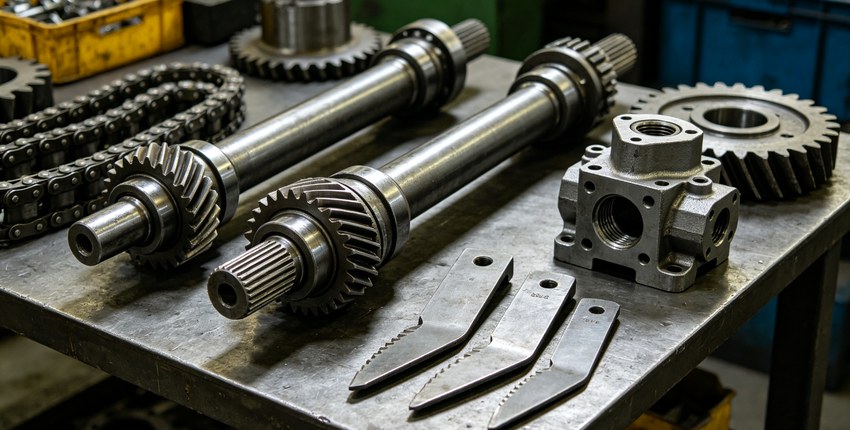
CNC Machining for Farm and Earthmoving Equipment: Fits and Wear Life
A working guide to machined components for tractors, harvesters and earthmoving machines: the fit arithmetic that decides whether a spare part still installs in year eight, what sealing bores actually need beyond diameter, which steels survive dirt and fertilizer, and how large housings hold position across half a metre.
agriculture · heavy machinery · cnc machining · hydraulics · wear parts
Read more →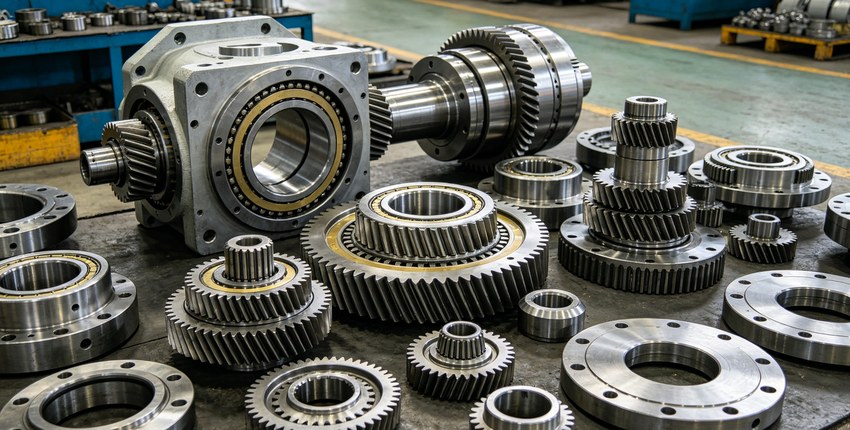
CNC Machining for Wind and Solar Equipment: Fits That Last Decades
How machined components behave inside wind turbines, solar trackers and energy storage frames: why a drivetrain fit is measured in microns while the structure is measured in tonnes, what a 60 K temperature swing does to a steel and aluminum joint, and which coating and material combinations hold up in a coastal yard.
wind energy · solar · cnc machining · tracker · drivetrain
Read more →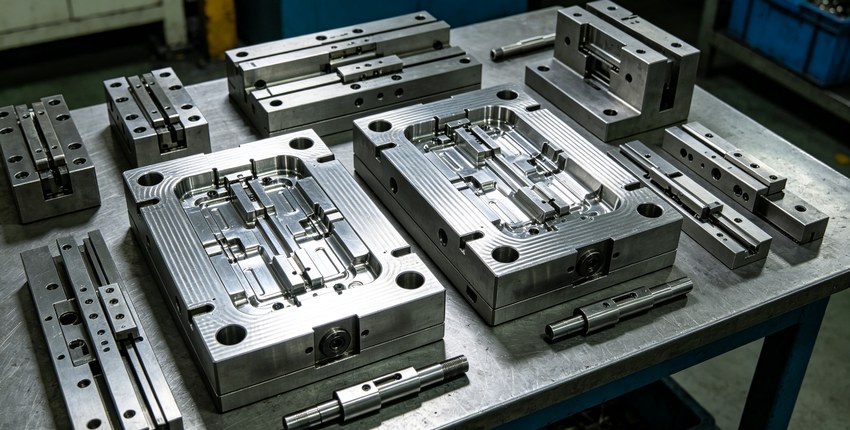
Mold and Die CNC Machining: Steel Choice, Staging and Hard Milling
A programmer's view of mold and die work: why a cavity error is copied into every part, how P20, 718, H13, S136 and D2 differ in the condition they arrive in, what a staged roughing and finishing sequence really buys, and where five axis or hard milling replaces EDM.
mold making · die · tool steel · hard milling · cnc machining
Read more →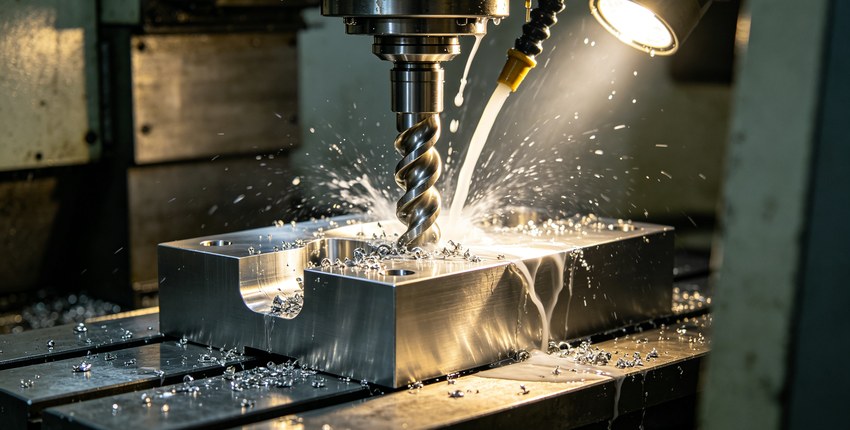
Stainless Steel Machinability: 303, 304, 316 and 17-4 PH Compared
Why the stainless family machines so differently: the sulfur that makes 303 free cutting and unweldable, the work hardening that punishes a hesitant cut in 304 and 316, the condition sequence that decides whether 17-4 PH is easy or miserable, and the arithmetic behind a 30 percent price difference for the same geometry.
stainless steel · machinability · 303 · 316 · 17-4 ph
Read more →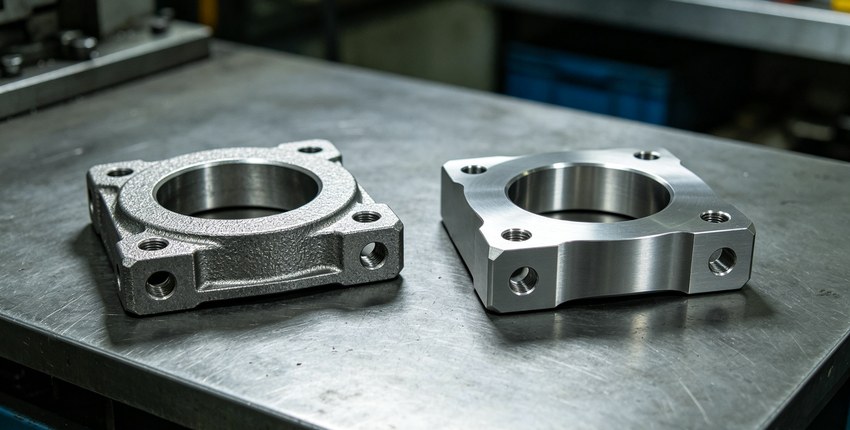
CNC Machining or Investment Casting? A Volume Based Break Even
A comparison written around the numbers that decide the route: what a wax die costs and how it amortises, where the unit cost lines cross for a 120 g stainless part, what ISO 8062 casting tolerance really means for a sealing face, and why porosity is a yield problem rather than a defect note.
investment casting · cnc machining · process selection · sourcing · castings
Read more →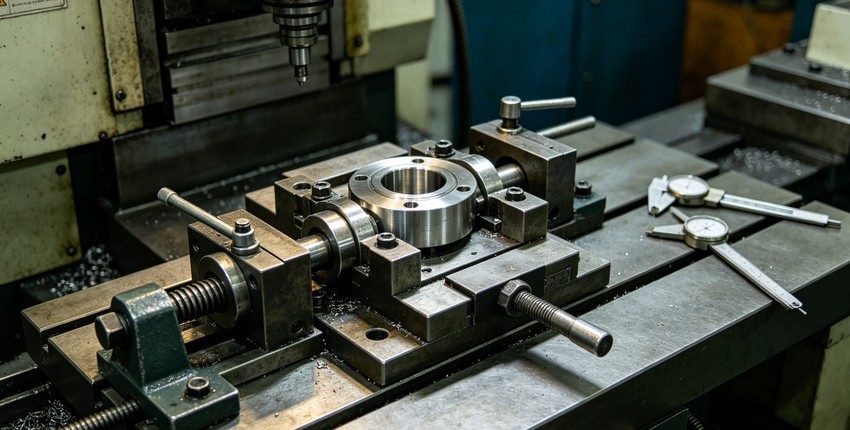
Workholding Decides Your Tolerance Before the First Cut
A shop-floor view of CNC workholding: how cutting force travels through the setup, when a vise beats a fixture plate or a vacuum chuck, what boring soft jaws in place actually buys you, how four and five axis setups change the question, and the three drawing notes that prevent most clamping problems.
workholding · fixtures · cnc machining · soft jaws · tolerance
Read more →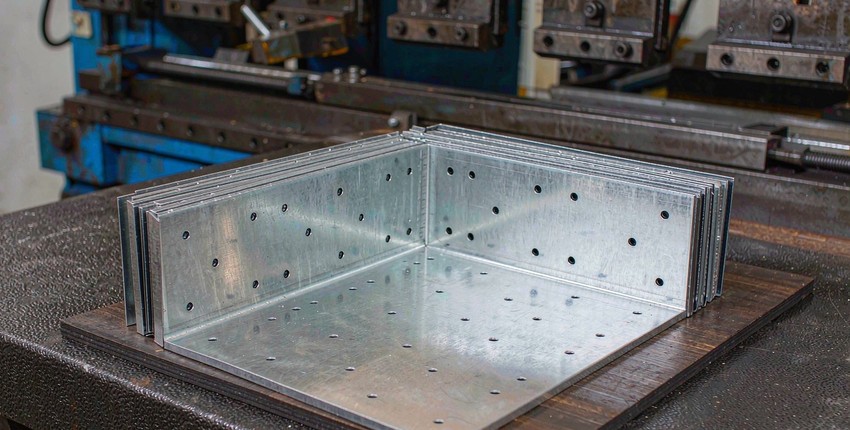
CNC Machining or Sheet Metal? The Crossover Zone Decides
A decision guide for the crossover zone between CNC machining and sheet metal fabrication: boundary features, cost math at different batch sizes, tolerance and repeatability differences, hybrid parts that use both processes, and a five question checklist to pick a route.
sheet metal · cnc machining · process selection · tolerance · cost
Read more →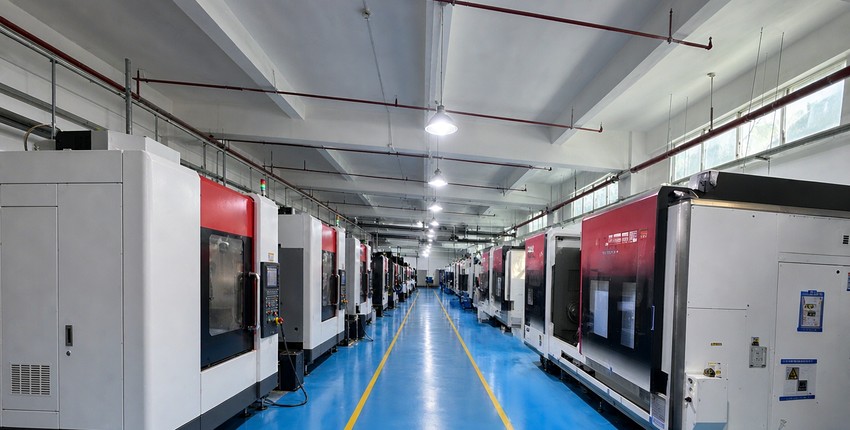
China vs Local CNC Machining: Total Cost of Ownership Compared
A buyer-facing framework for comparing China CNC machining against a local supplier on total cost of ownership: what sits inside the piece price, what freight, duty, inventory, communication and quality risk add, when a local shop is genuinely the better decision, and how to lay out both quotes on one sheet so the comparison is fair.
sourcing · total cost of ownership · cnc machining · procurement · supplier selection
Read more →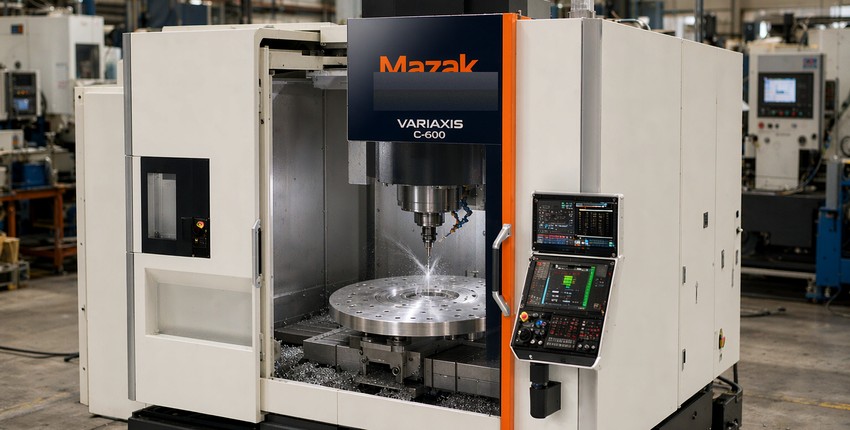
Vacuum Chamber Parts: What Flatness and Surface Finish Do Sealing Faces Actually Need?
A buyer-facing guide to machined vacuum chamber parts: why most leaks start at the sealing face rather than inside the chamber, practical flatness and surface finish targets for O-ring sealed lids, the roughing, stress relief and finishing sequence that prevents post-machining distortion, which alloys suit vacuum work, and the report lines a serious inspection package should carry.
vacuum chamber · semiconductor · aluminum · tolerances · surface finish
Read more →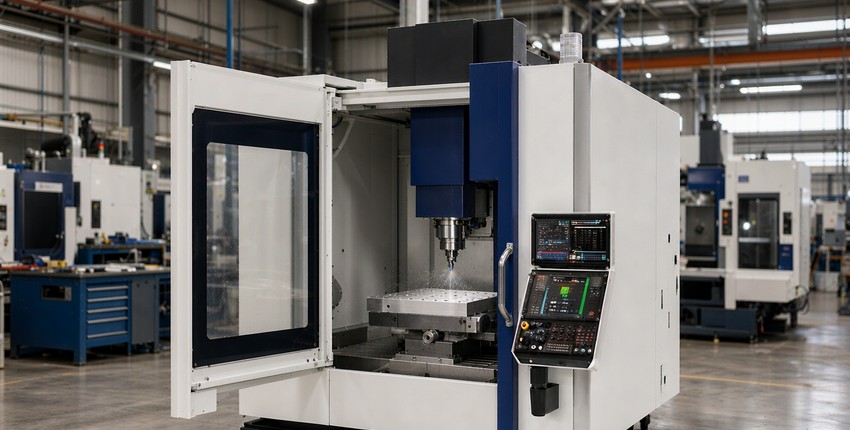
When Do CNC Buyers Need GD&T Instead of Plus/Minus Tolerances?
A buyer-facing guide to choosing between plus/minus tolerances and GD&T: what each system actually controls, why chained boxed dimensions drift on assemblies, which features on a typical CNC part deserve datums and position callouts, how the MMC modifier buys yield, and a five-minute drawing check to run before you request a quote.
gd&t · tolerances · drawings · dfm · inspection
Read more →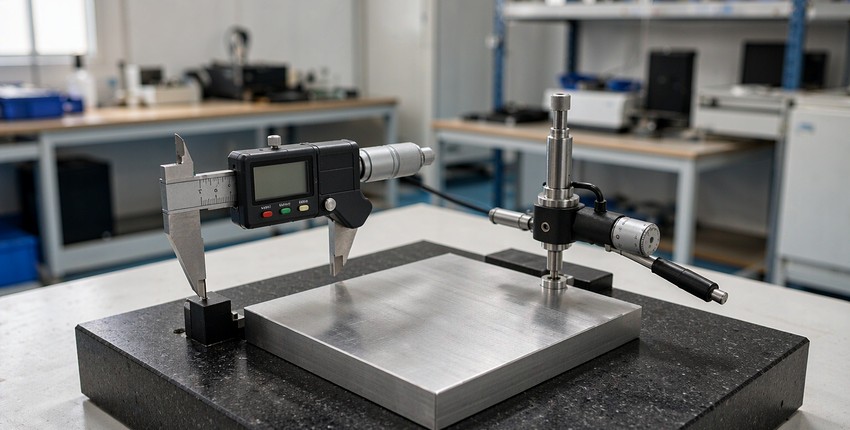
How to Read a Feature Control Frame (and What a CNC Shop Actually Measures)
This is the closing article in our GD&T series. It reads a feature control frame the way a machining supplier does: the symbol cell, the tolerance cell with its diameter sign and material modifiers, and the datum cell whose order mirrors the way the part is assembled. It covers composite frames, the supplementary symbols worth knowing, a worked walkthrough of a schematic drawing, and the measuring plan each callout generates in a shop.
gd&t · feature control frame · inspection · datums · fai
Read more →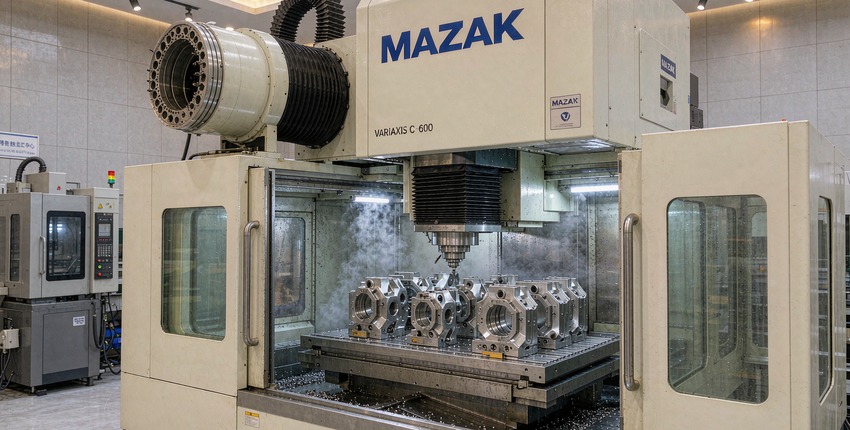
How Batch Size Changes CNC Unit Price: A Buyer's Curve
A batch size curve is the fastest way to see where your money goes in CNC machining. Fixed engineering cost explains the steep left side, material and machine hours explain the flat right side, and three risks explain why bigger is not always cheaper.
batch size · cnc pricing · cnc machining cost · price break · procurement
Read more →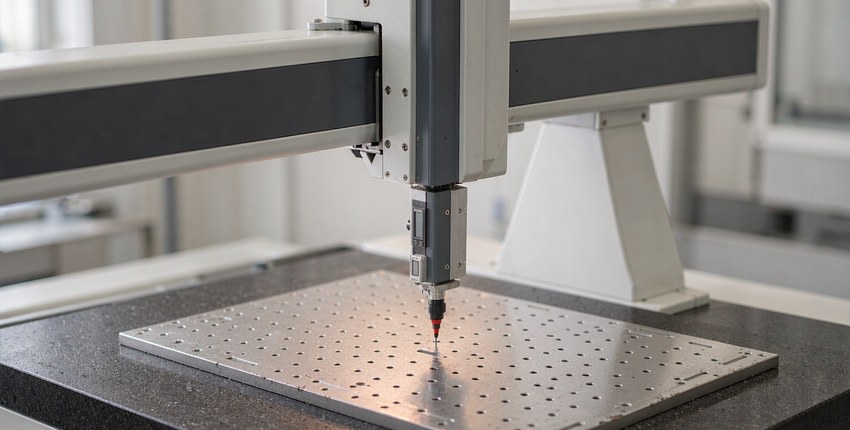
Position, Coaxiality and Symmetry: Location Tolerances That Make Assemblies Fit
Position, coaxiality and symmetry control where features sit relative to datums. Here is the true position formula worked through a hole pattern, a live PTFE plate case where a 0.02 mm zone with no MMC modifier decided the process, and how MMC bonus tolerance widens the limit without loosening the assembly.
gd&t · true position · position tolerance · coaxiality · inspection
Read more →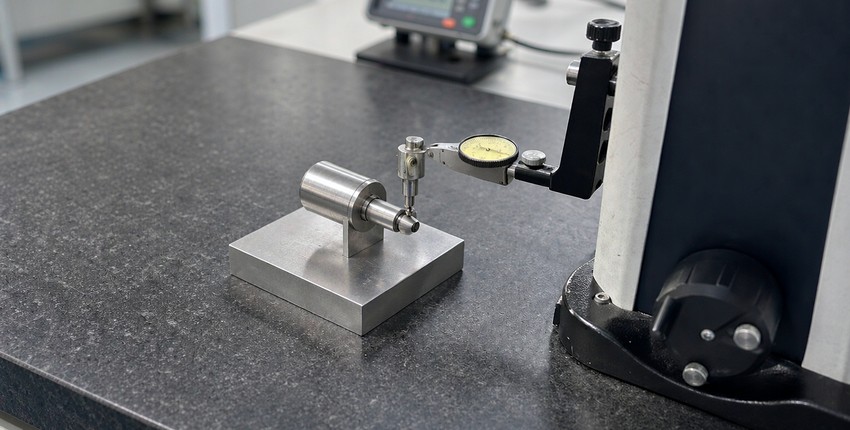
Circular Runout vs Total Runout: How Rotating Parts Get Verified
Runout is the composite check that judges how far a surface moves when a part turns about a datum axis. This article separates circular runout from total runout, shows a worked reading where a shaft passes one and fails the other, walks through a flanged motor shaft case where every journal answers to one centre hole datum axis, and explains how to tell part error from fixture error.
gd&t · runout · circular runout · total runout · inspection
Read more →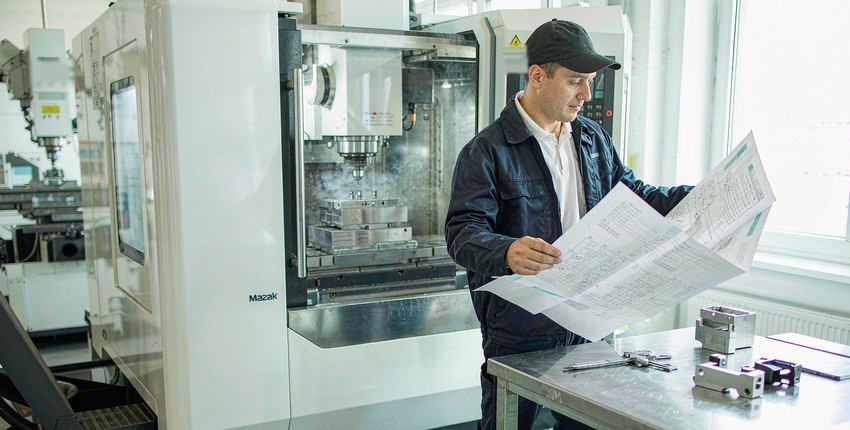
Sending Drawings to China: How NDAs and IP Protection Actually Work
A short mutual NDA, controlled file handling and clear tooling ownership make sending drawings to a Chinese CNC shop a routine step. Here is how the paperwork and the file path actually work on a professional floor, including four-level drawing access and the 365 day deletion routine.
sourcing · nda · certifications · supplier-vetting · ip-protection
Read more →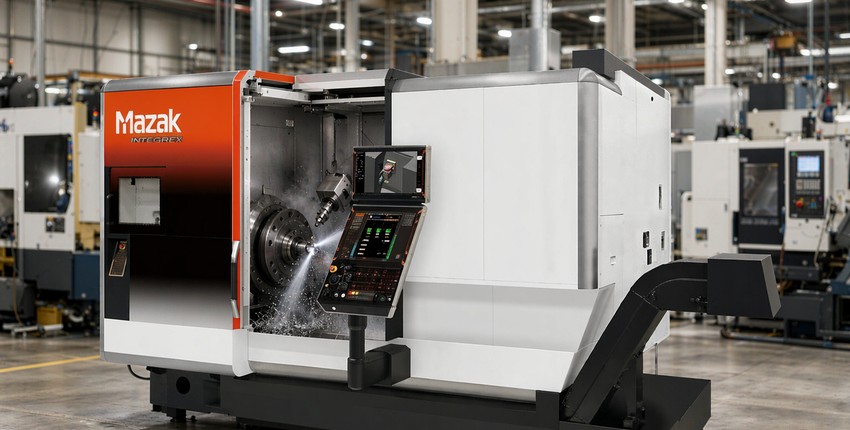
Machining Inconel 718: Speeds, Tools and Workholding That Work
Inconel 718 rewards rigid setups, sharp coated carbide and relentless feed discipline. Here is what actually decides tool life and size hold on a 718 job, from cutting speeds to workholding to the paperwork that ships with the parts.
materials · aerospace · cnc-turning · superalloy · tooling
Read more →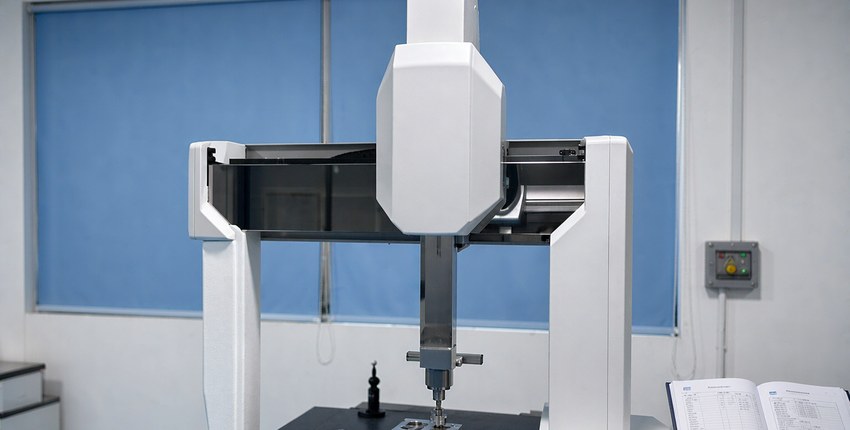
What Is First Article Inspection and Why Serious Buyers Require It
A first article inspection proves that a production process, not just one lucky part, can hold your drawing. Here is what a real FAI package contains, how the measurements are taken, and when buyers should insist on one.
inspection · quality · dfm · aerospace · procurement
Read more →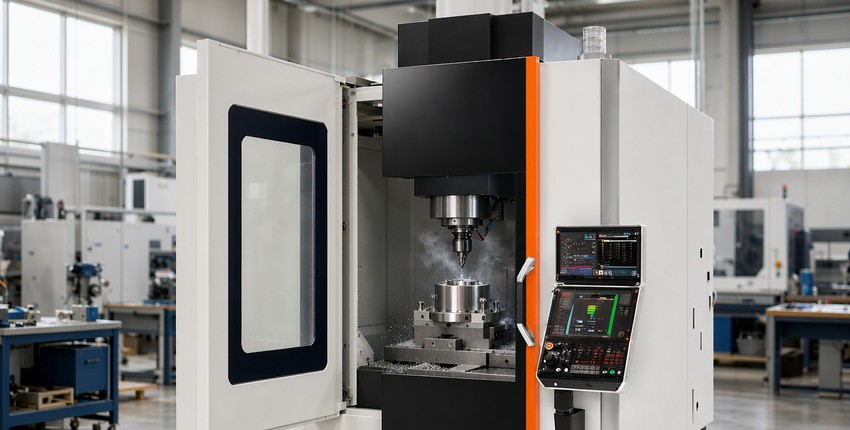
Sensor Housing Machining: Holding Sealed Enclosure Tolerances
Sealed sensor housings fail at the seal, not the size. A working breakdown of gland dimensions, face flatness, thin-wall distortion control, material selection and the inspection evidence that ships with each housing.
dfm · sensor-housing · tolerance · stainless-steel · sealing
Read more →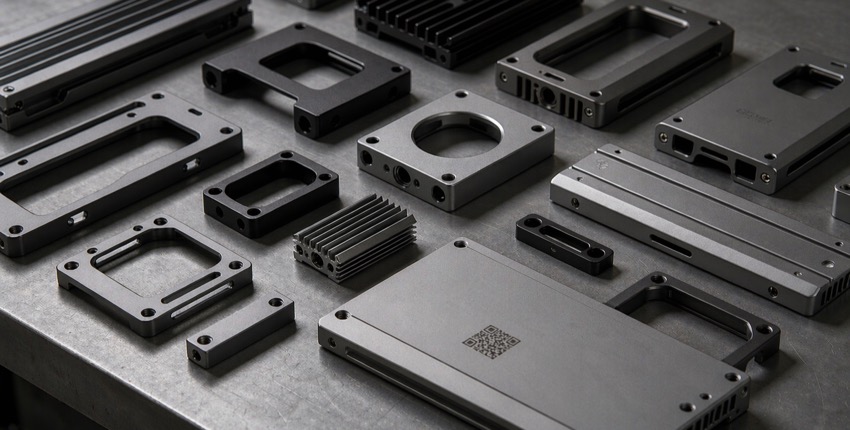
Laser Marking an Anodized Aluminum Part: What Changes and What Does Not
Laser marking anodized aluminum acts on the coating, not on the part. Here is what changes in contrast and readability, what stays untouched in the oxide and in the dimensions, and how to pick the marking route before you release the drawing.
dfm · laser-marking · anodizing · aluminum · traceability
Read more →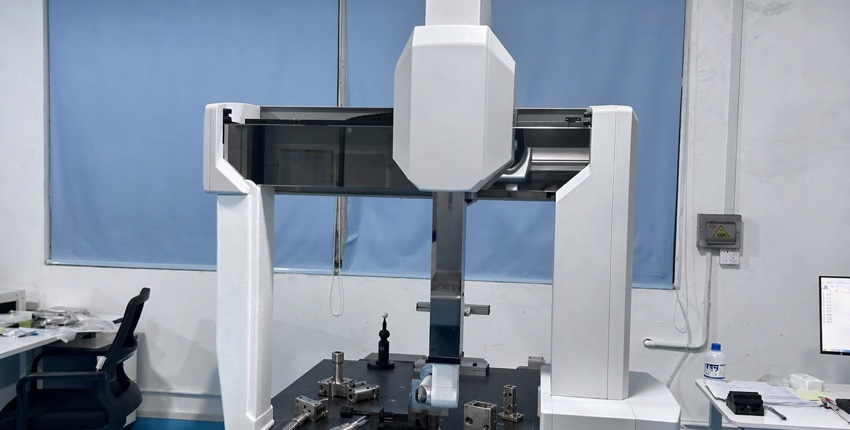
Surgical Robot Parts: Precision Machining Under ISO 13485
A working guide to surgical robot parts: which components get machined, how 17-4 PH, 316L, Ti-6Al-4V ELI and PEEK behave, why ±0.005 mm is the working band, and what a full ISO 13485 documentation package contains.
surgical-robotics · medical · ISO 13485 · 5-axis · stainless-steel
Read more →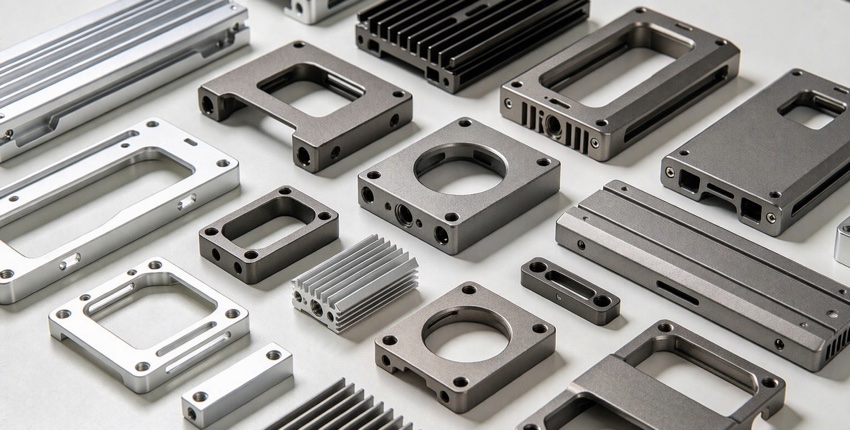
CNC Surface Finish Options: From As-Machined to Anodizing
Every common CNC surface finish in one place: as-machined, tumbling, bead blasting, polishing, passivation, anodizing, hard chrome, nickel, powder coat and laser marking, with the dimension change each one brings.
surface-finish · dfm · anodizing · deburring · aluminum
Read more →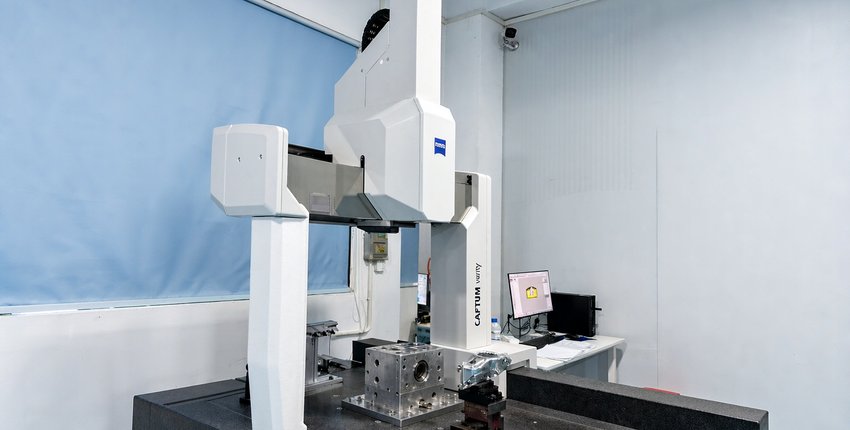
GD&T Basics: The 14 Geometric Characteristics Every CNC Buyer Should Know
GD&T explained without the textbook weight: the 14 geometric characteristics, their symbols, and how a feature control frame turns a vague note into an inspectable requirement.
gd&t · inspection · tolerance · cmm · quality
Read more →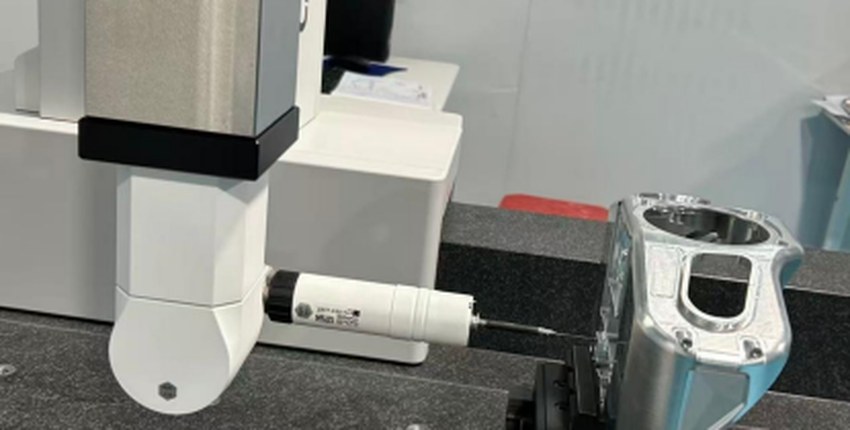
Form Tolerances Explained: Straightness, Flatness, Circularity, Cylindricity
Straightness, flatness, circularity and cylindricity explained with tolerance zone shapes, measurement methods, and a real optical housing case where roughing triggered a roundness failure.
gd&t · tolerance · inspection · flatness · roundness
Read more →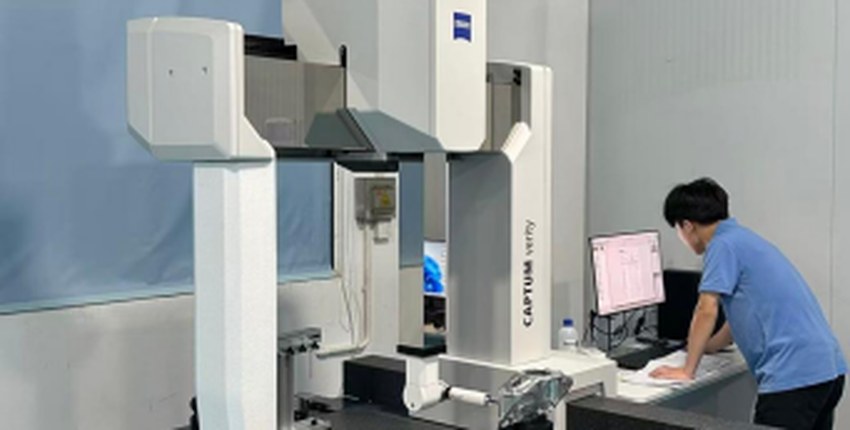
Orientation Tolerances: Parallelism, Perpendicularity and Angularity
Parallelism, perpendicularity and angularity explained with tolerance zones, datum order, dual-track inspection methods, and a real 7075 brake shaft case where hard anodize made the callouts stricter, not looser.
gd&t · perpendicularity · parallelism · tolerance · inspection
Read more →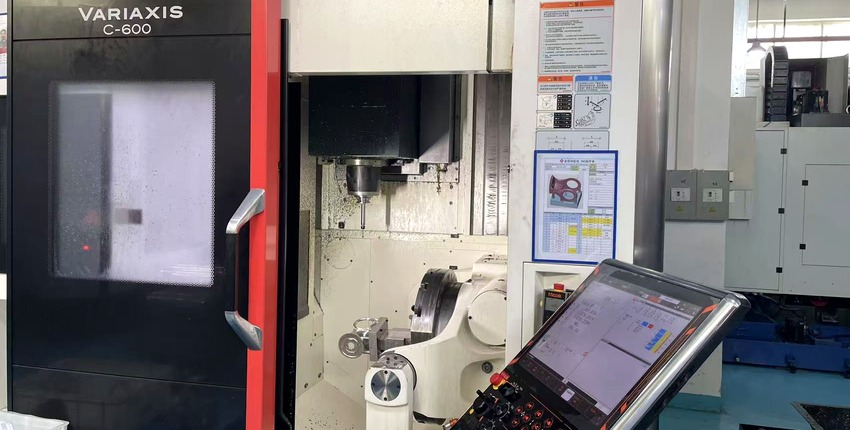
Robotic Arm CNC Parts: Materials, Tolerances and Lead Times
Material, tolerance and lead time decisions for robotic arm parts, with the failure patterns that show up at assembly, the numbers behind ±0.005 mm and ±0.002 mm fits, and what a verified sample looks like on a real program.
robotic-arm · robotics · 5-axis · tolerances · aluminum
Read more →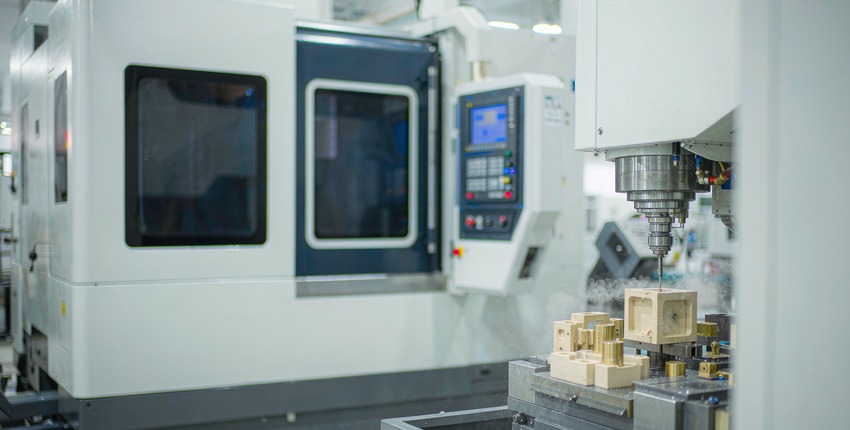
Machinable PEEK Grades: PEEK1000, Glass-Filled and ESD PEEK Explained
Unfilled PEEK1000, glass-filled and carbon-filled ESD grades machine differently and serve different parts. Here is how to pick the right PEEK grade and what changes on the shop floor for each.
peek · materials · esd · medical · semiconductor
Read more →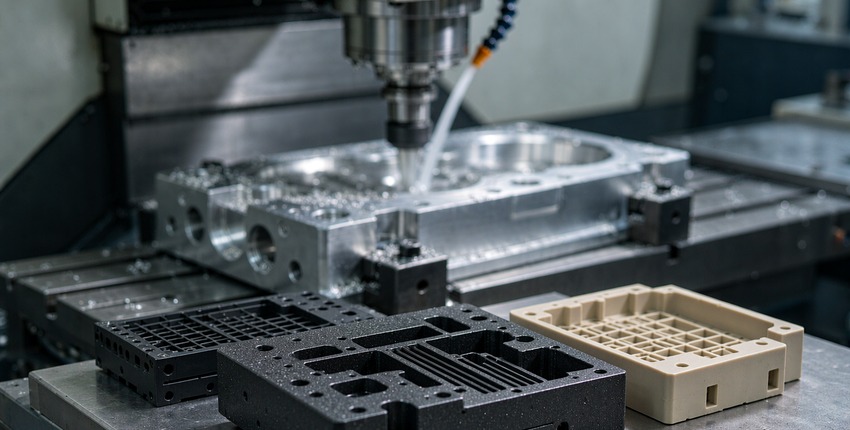
ESD Plastics for Semiconductor Fixtures: ESD225 vs Conductive Nylon
Static dissipative ESD225 and carbon-filled conductive nylon cover different resistivity bands and fail in different ways. Here is how to choose between them for wafer handling, test sockets and automation fixtures, and what changes on the machine.
esd-plastic · semiconductor · fixtures · materials · conductive-nylon
Read more →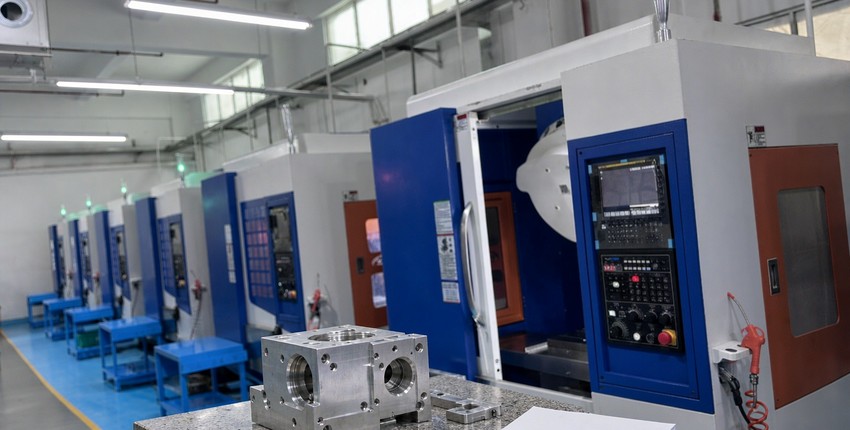
How Fast Can You Get a CNC Quote? Inside Our 24-Hour Process
A 24 hour CNC quote is only worth having if it is built from the drawing instead of guessed from a photo. Here is how the day actually runs on our side, hour by hour, and what you can send to keep it fast.
24-hour-quote · rfq · sourcing · cnc-machining · procurement
Read more →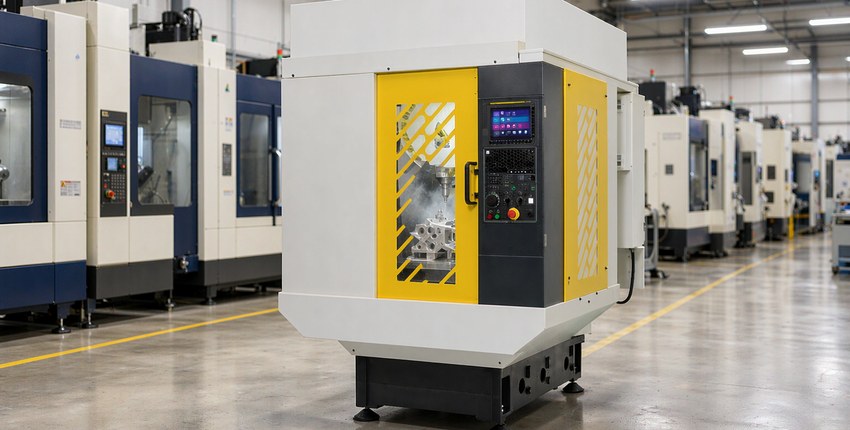
What Are the Red Flags of an Unreliable CNC Machining Supplier?
A CNC machining supplier tells you who they are before the first order, if you know where to look. The warning signs we would act on as buyers, and the standards our own customers held us to.
supplier-red-flags · sourcing · cnc-machining · quality · procurement
Read more →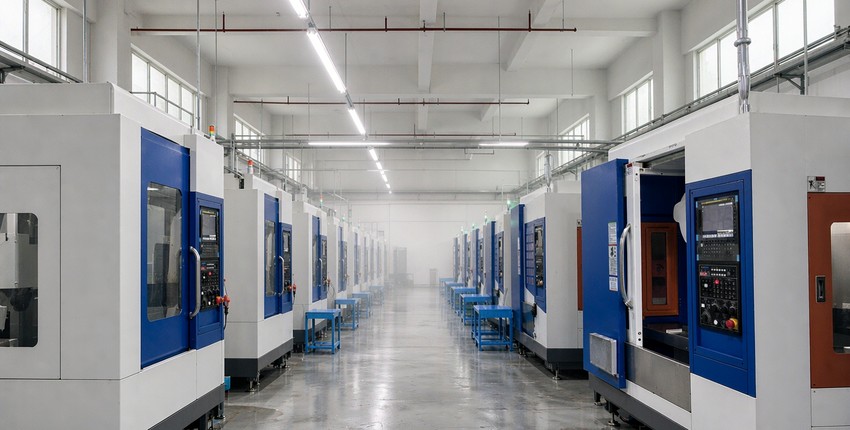
What Drives CNC Machining Cost? 7 Factors You Control
Quotes for the same drawing can differ widely, and most of the spread is decided before the RFQ is sent. Seven factors on the buyer's side of the table, and how each one moves the unit price.
cnc-machining-cost · cost-drivers · dfm · sourcing · cnc-machining
Read more →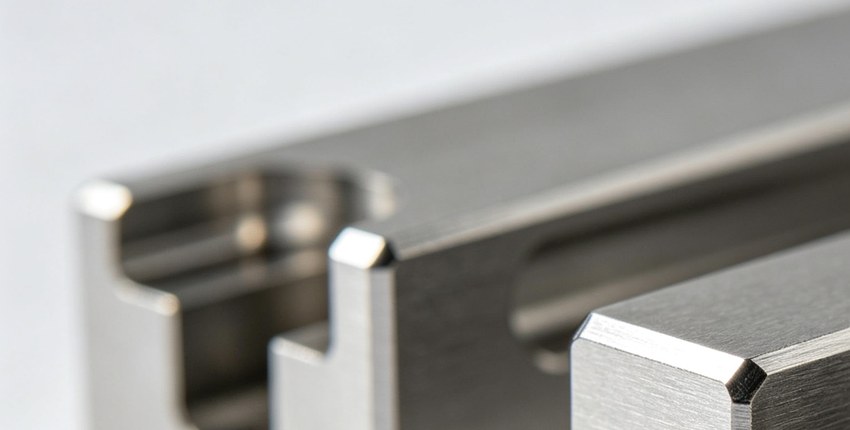
Deburring and Edge Finishing for CNC Machined Parts: A Practical Guide
Burrs decide whether a machined part is ready for use. A practical guide to where burrs form, how they are removed, and what edge finishing standards mean for your parts.
deburring · edge-finishing · dfm · surface-quality · cnc-machining
Read more →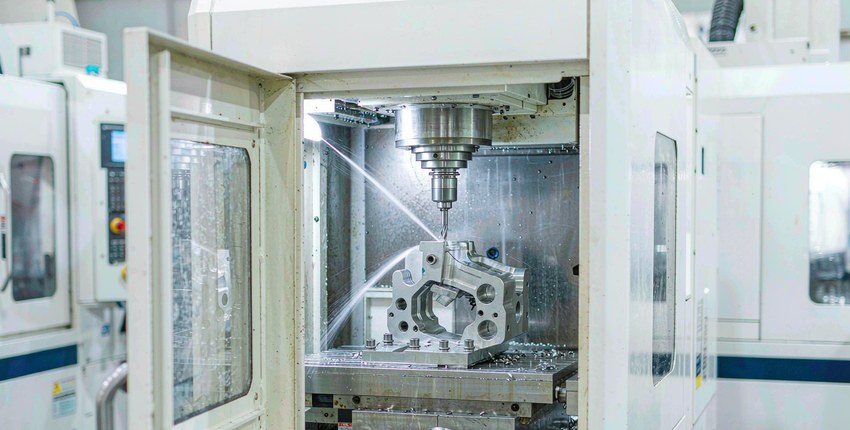
CNC Machining vs. Injection Molding: How to Choose the Right Manufacturing Process
CNC machining or injection molding? A cost, lead time, material, and quantity comparison that shows when machining wins, when molding wins, and how to find the break-even point for your part.
injection-molding · process-selection · cost · dfm · cnc-machining
Read more →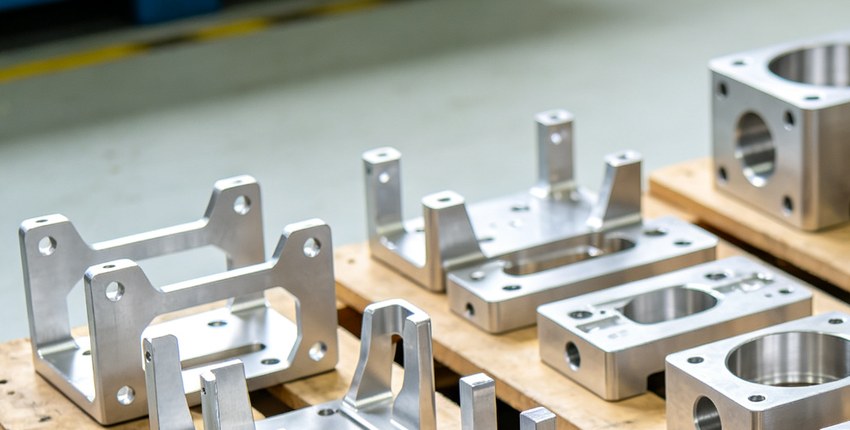
CNC Prototyping: How to Get Functional Prototypes Fast
CNC prototyping produces functional prototypes from production-grade materials with production-equivalent tolerances. How to prepare your design and how fast you can hold a part in your hand.
prototyping · rapid-prototyping · dfm · product-development · cnc-machining
Read more →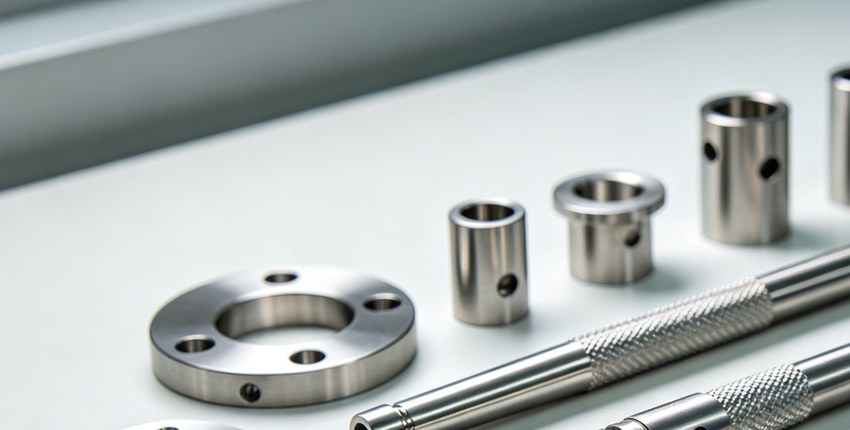
CNC Machining for Medical Devices: Materials, Tolerances, and Quality
What medical device CNC machining really requires: biocompatible material selection, micron-level tolerances, controlled cleanliness, and an ISO 13485 quality system that documents every step.
medical · iso-13485 · titanium · 316l · tolerances · cnc-machining
Read more →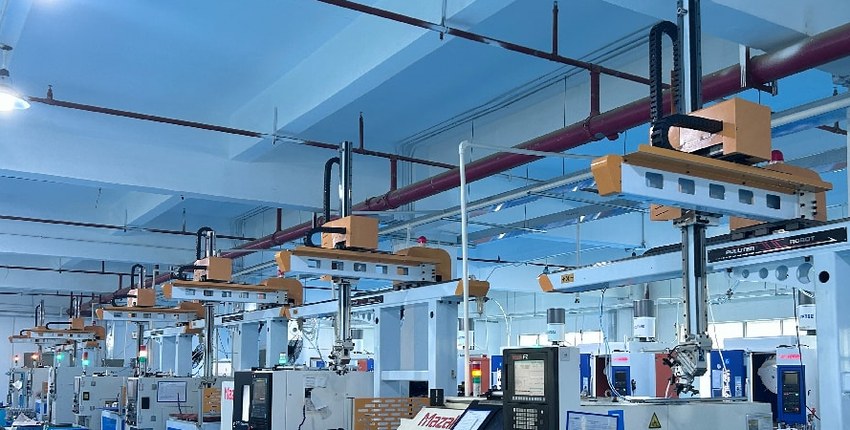
How to Evaluate a CNC Machining Supplier: Key Factors to Check
Price alone is a poor guide. The capability, quality, engineering, and commercial factors to check on a CNC machining supplier before you commit a program to them.
supplier-selection · sourcing · quality · dfm · cnc-machining
Read more →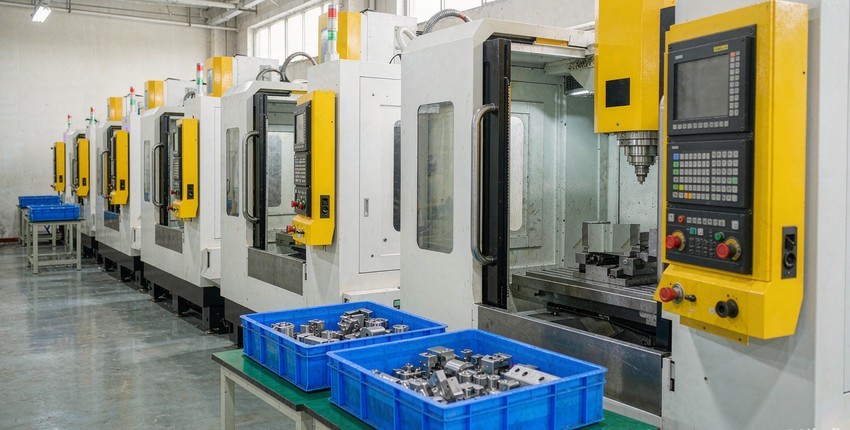
Prototype to Production: What Changes and What It Costs
The prototype proves the design. Production has to prove the process. What changes on the shop floor and in the paperwork between the first article and the thousandth part, and where the unit cost goes.
prototype-to-production · sourcing · dfm · first-article · cnc-machining
Read more →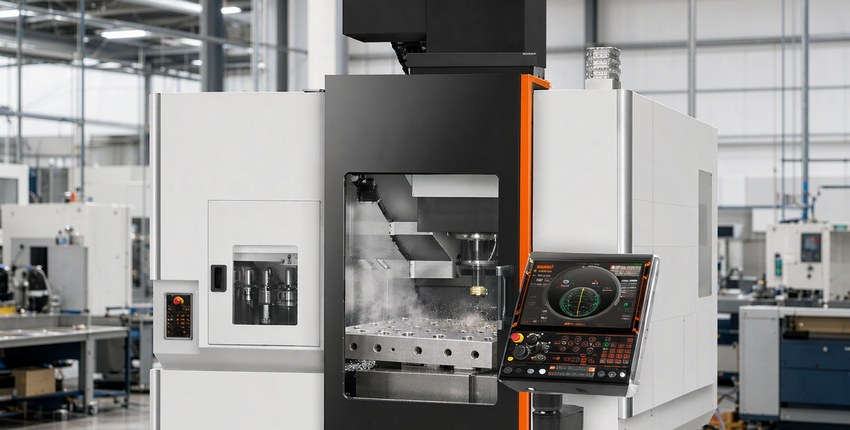
Interface Fits in Semiconductor Tool Frames: Tolerances We Hold
Bolts clamp, they do not locate. A look at the interface features that actually set alignment in semiconductor tool frames, the fits we machine, and how each one is verified and reported.
semiconductor · tolerances · dowel-fit · flatness · 5-axis · cnc-machining
Read more →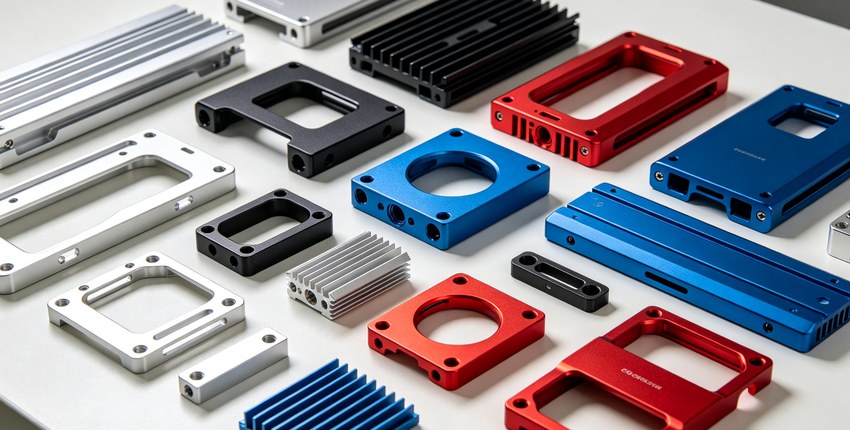
Anodizing for CNC Machined Parts: Types I, II, and III Explained
A DFM guide to anodizing for CNC machined aluminum parts: what Type I chromic, Type II sulfuric, and Type III hard anodizing do to dimensions, finishes, and budgets, from the shop that machines the parts first.
anodizing · surface-treatment · aluminum · hard-anodizing · cnc-machining
Read more →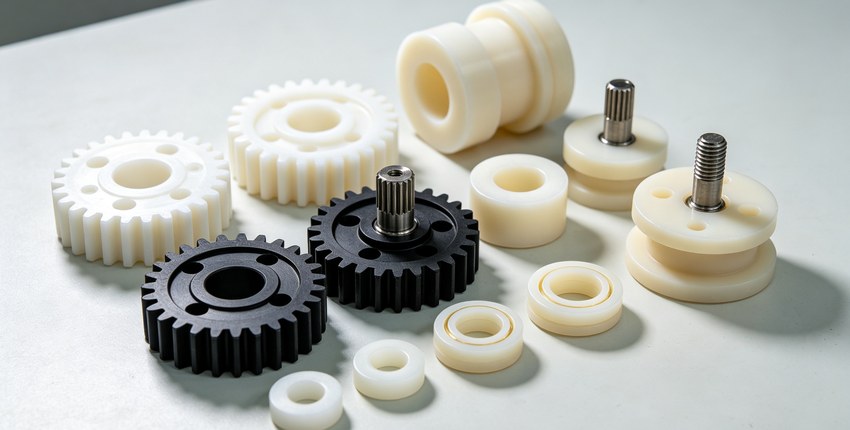
CNC Machining Plastics: PEEK, POM, PTFE, and How They Cut Differently
A machinist's guide to cutting engineering plastics: why heat and moisture, not hardness, drive the process, and how PEEK, POM, PTFE, acrylic, and nylon each behave under the tool.
plastics · peek · pom · ptfe · nylon
Read more →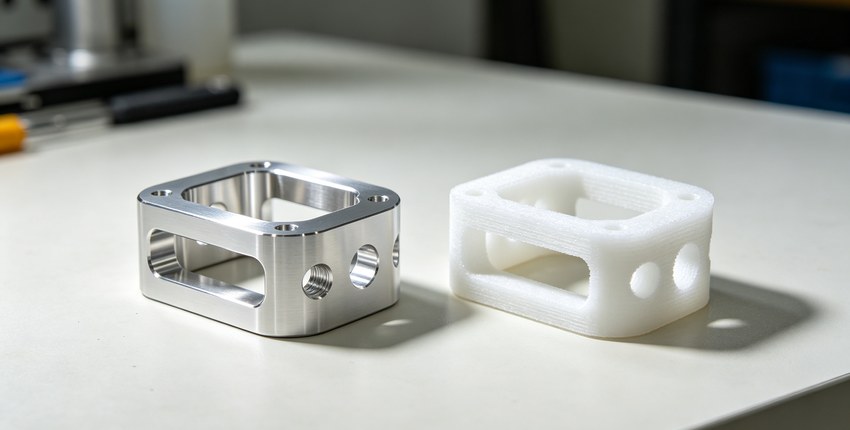
CNC Machining or 3D Printing? How We Help Customers Choose
A founder's decision framework for CNC machining vs 3D printing: where each process wins, where the cost crossover sits, and why the answer changes between one prototype and a production run.
3d-printing · cnc-machining · prototyping · process-selection · dfm
Read more →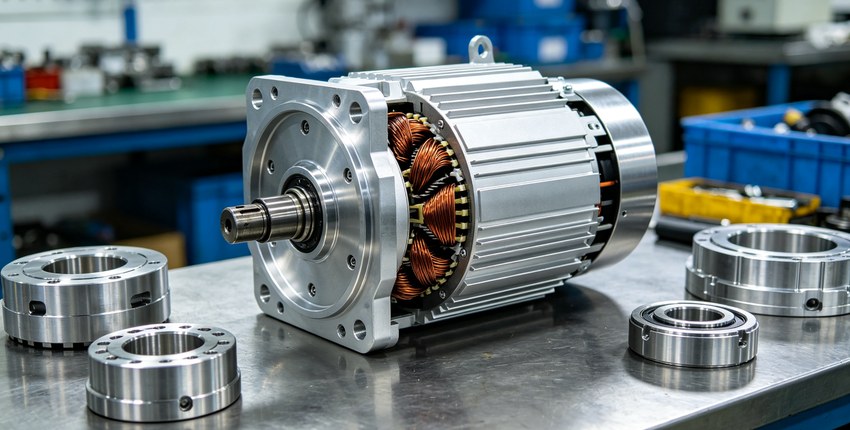
CNC Machining for New Energy Vehicles: Key Components and Materials
A component-by-component guide to CNC machining for new energy systems: what battery, thermal, and drive parts need from the machine shop, and which materials carry the load.
new-energy · electric-vehicle · battery · cooling-plate · cnc-machining
Read more →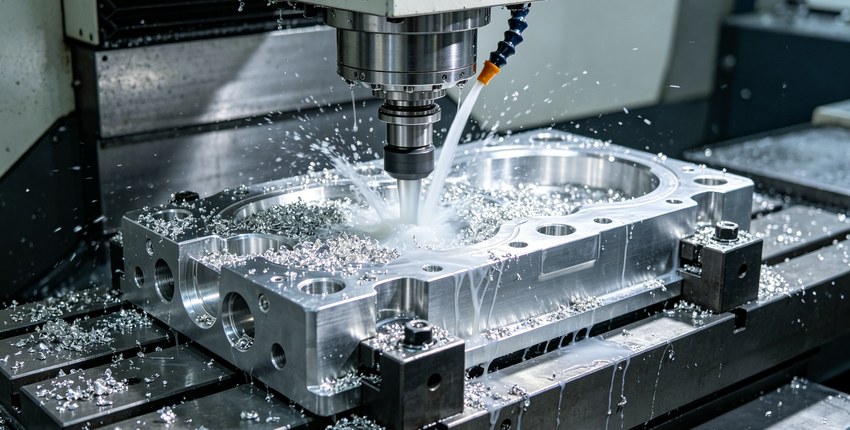
CNC Machining for Semiconductor Equipment: Materials and Key Components
Which materials and finishes hold up inside semiconductor equipment, which components we machine most often, and how traceability travels with every batch we ship.
semiconductor · vacuum-chamber · materials · cleanroom · cnc-machining
Read more →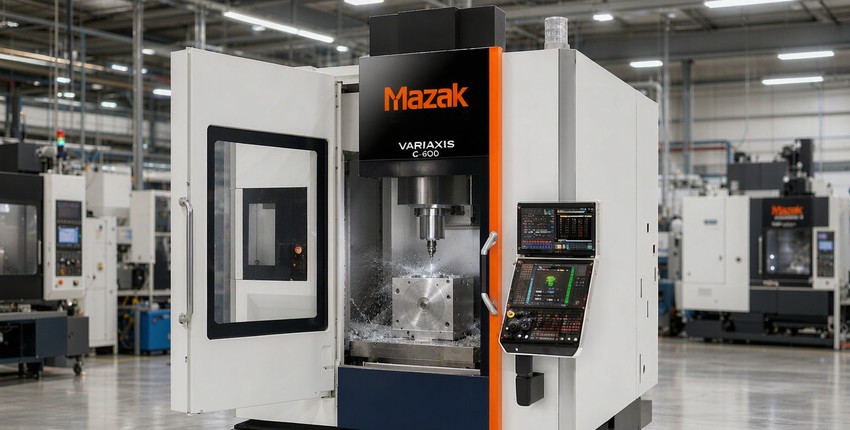
CNC Parts for Semiconductor Equipment: What Cleanroom-Ready Machining Means
Cleanroom-ready machining is about edges, materials, cleaning sequence and documentation, not the machine brand. A look at how we machine aluminum, stainless, PEEK and ESD-safe fixtures for semiconductor equipment builders.
semiconductor · cleanroom · aluminum · peek · esd · cnc-machining
Read more →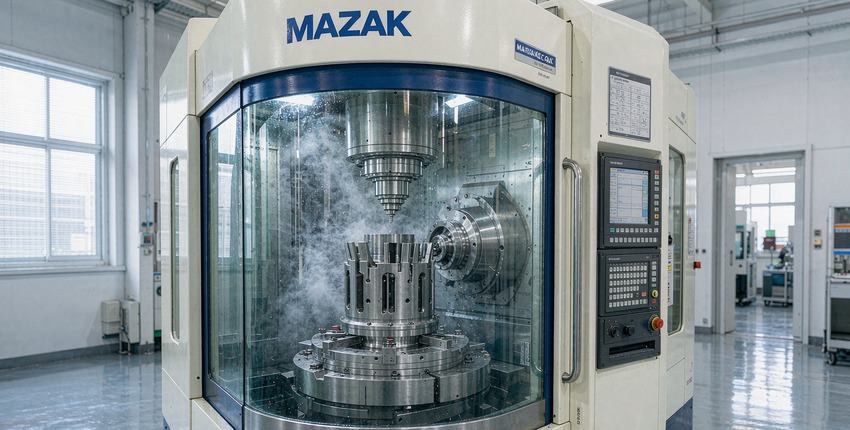
Why Do Medical Device Makers Need ISO 13485 Machining Suppliers?
ISO 13485 does not say how to cut metal. It says how to prove every cut. Here is what the standard changes on a machining floor, which records travel with a medical batch, and the three things to demand from a supplier in writing.
medical · iso-13485 · certification · traceability · cnc-machining
Read more →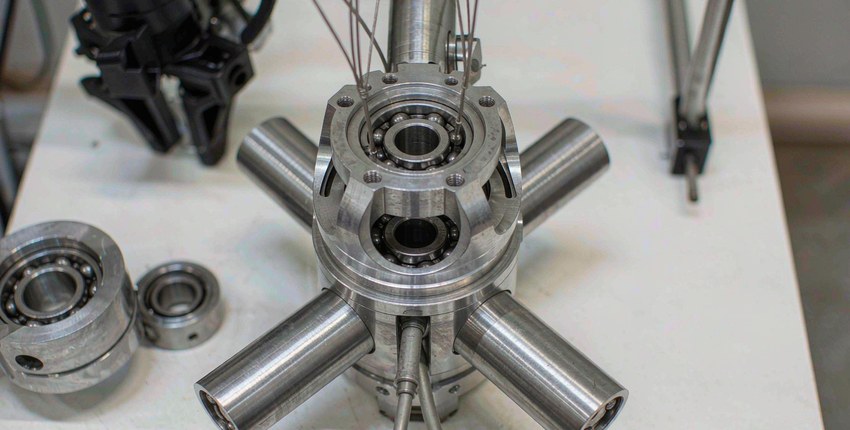
What Tolerances Do Humanoid Robot Joints Actually Require?
A CNC programmer's guide to humanoid robot joint tolerances: where the tolerance chain lives, the numbers that matter, why they are hard to hold, and how to tolerance a drawing so it quotes fast.
robotics · humanoid-robot · tolerances · 17-4ph · cnc-machining
Read more →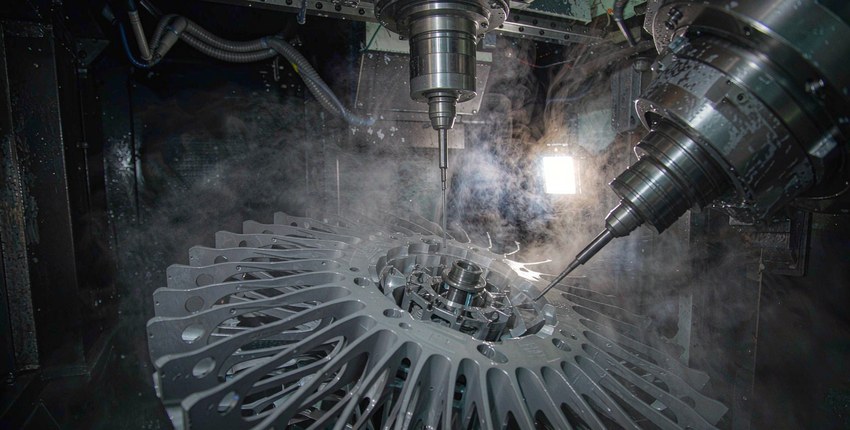
Why Titanium Is Hard to Machine, and What We Change to Cut It Well
Three properties make titanium expensive to cut: it carries almost no heat away, it work hardens and springs back, and it turns chemically hungry above 500 C. Here is what changes on the floor, and how the parts are verified.
titanium · ti-6al-4v · machining · materials · cnc-machining
Read more →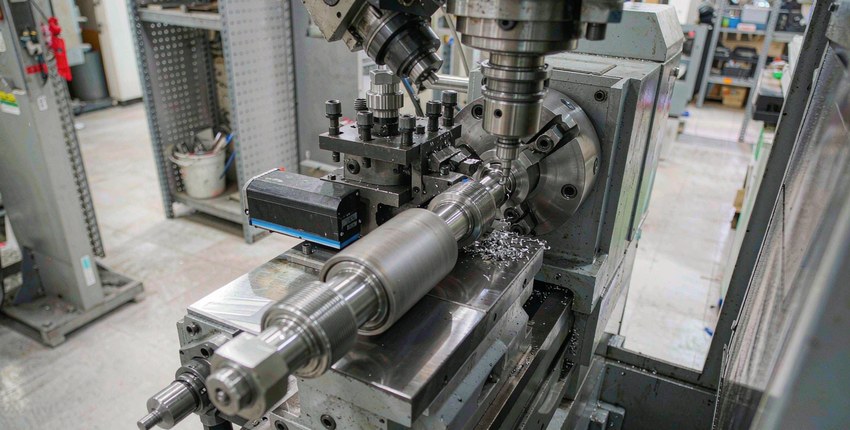
Stainless Steel 304 vs 316 for Machined Parts: What Actually Changes on the Shop Floor
A machinist's comparison of 304 and 316 stainless steel: what molybdenum buys, how the two grades cut differently, when 316L is worth it, and what the cost gap looks like on a real quote.
stainless-steel · 304 · 316 · materials · cnc-machining
Read more →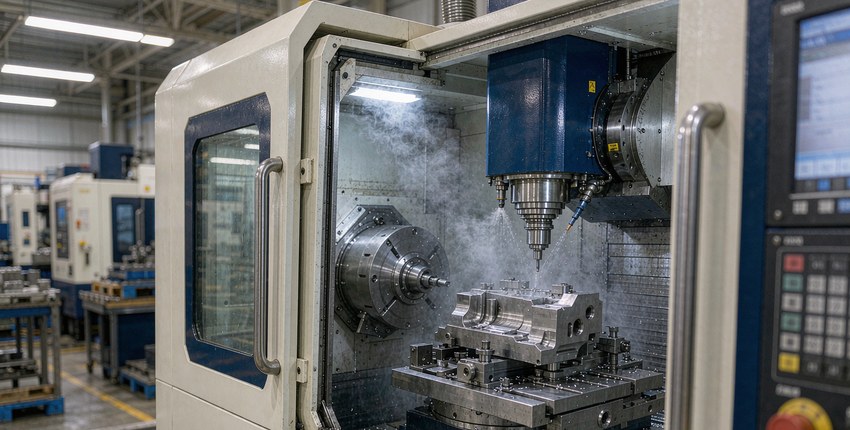
CNC Machining vs 3D Printing for Metal Parts: Which One and When
A machine side comparison of CNC machining and metal 3D printing for real parts: where each process wins on tolerance, strength, finish, and cost, and how we route a drawing to one or the other.
cnc-machining · 3d-printing · dfm · metal-parts
Read more →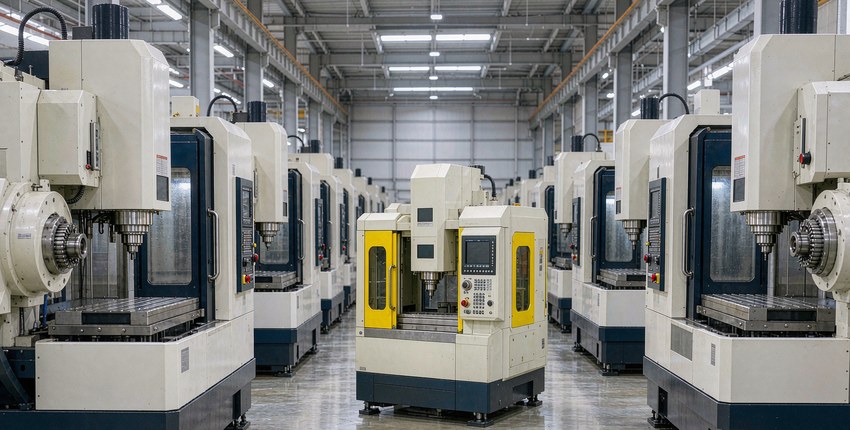
How to Choose a CNC Supplier in China: a 20 Point Checklist
The audit list we would use if we were buying: 20 questions across credentials, equipment, quality control, and logistics that separate a real precision CNC supplier in China from a good website.
supplier-selection · quality · certifications · sourcing
Read more →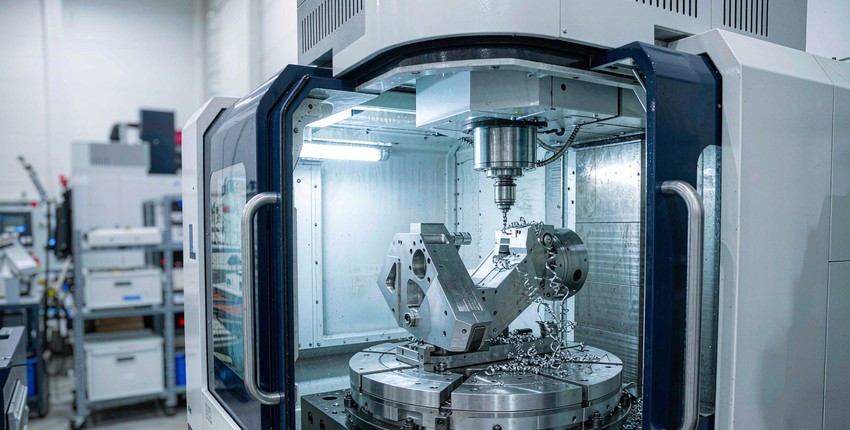
Aluminum vs Stainless Steel for Robot Parts: What We Machine and When
The property numbers that actually decide robot part material choice, how each alloy family behaves on our floor, and the routing we use for joints, housings, arms, and end effectors.
aluminum · stainless-steel · robotics · materials
Read more →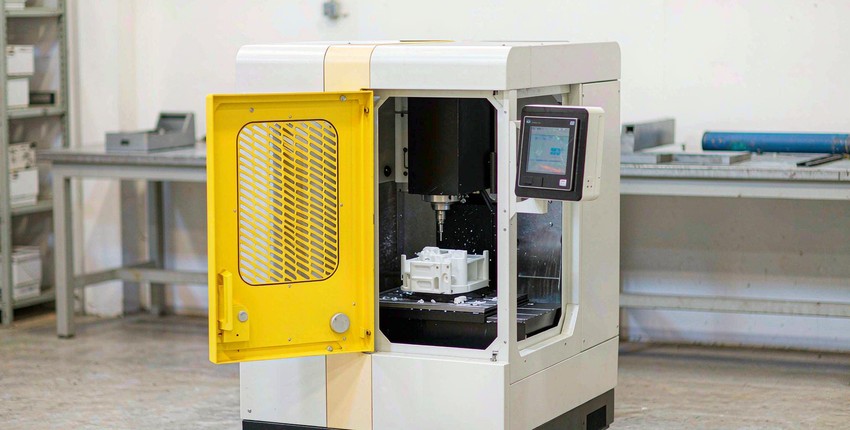
PEI vs PEEK vs Nylon for Aerospace Interior Parts: A Machining Perspective
How PEI, PEEK, and nylon behave in cut, where each fits aircraft interior requirements from FST grades to bracket loads, and what each choice does to your part cost.
pei · peek · nylon · aerospace · plastics
Read more →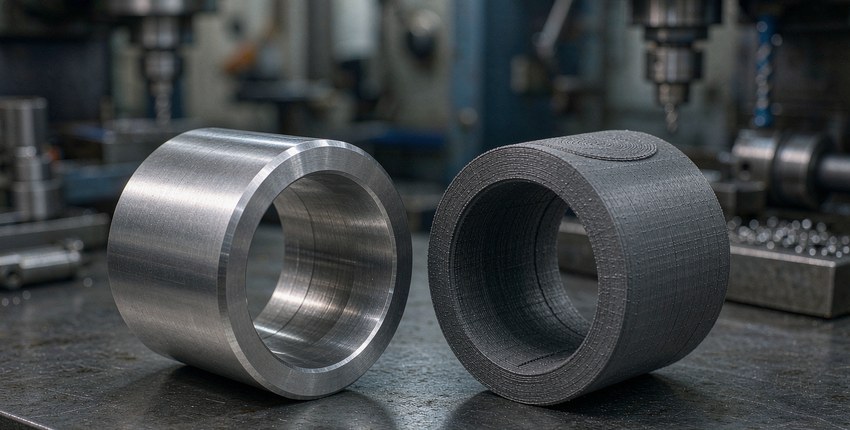
CNC Prototyping vs 3D Printing: Which One for Your First Parts?
CNC and 3D printing answer different questions. Where each process wins on tolerance, material, finish, and cost, and the hybrid path most hardware teams end up taking.
prototyping · 3d-printing · cnc-machining · dfm
Read more →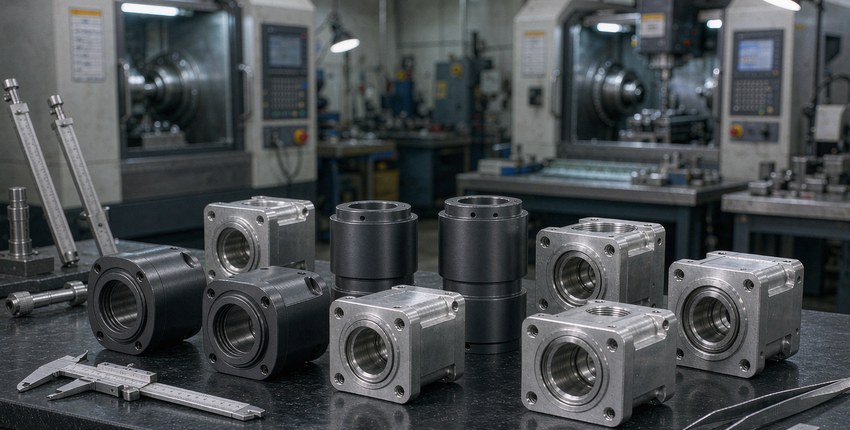
CNC Machining 7075 vs 6061 Aluminum: Choosing for Robot Arms
A robotics-focused comparison of 7075-T6 and 6061-T6: the numbers that matter for joint housings and arm links, the anodizing difference shops forget to warn you about, and a per-component selection table.
aluminum · 7075 · 6061 · robotics
Read more →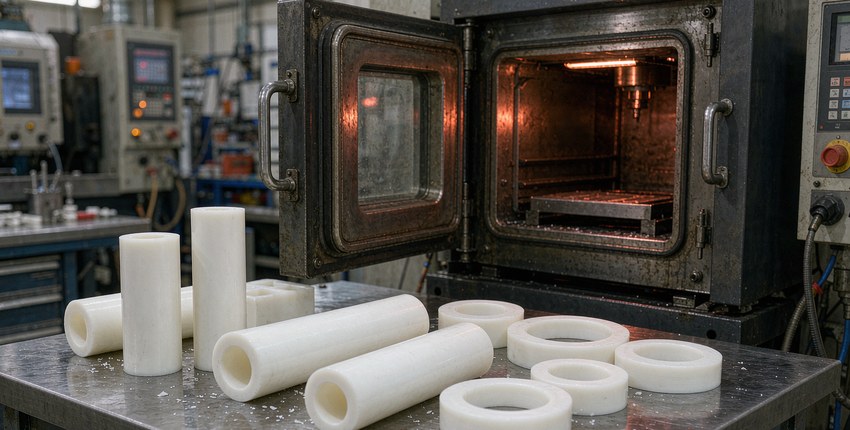
Why Does PEEK Warp After Machining and How Do We Prevent It?
The three stress sources behind PEEK warpage, the annealing and machining sequence we use to release them, and what to specify on your drawing so the part stays straight after it leaves our floor.
peek · plastics · warpage · stress-relief
Read more →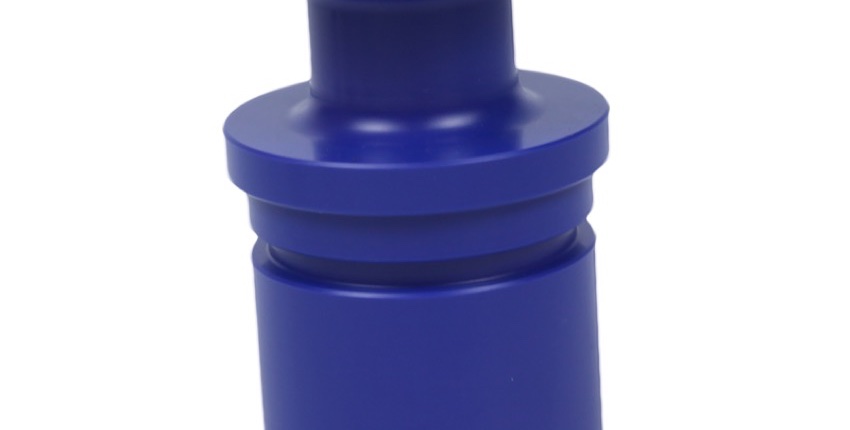
CNC Machining Food-Grade POM Parts: Material Selection, Tolerance Control, and Hygiene Standards
Food-grade POM selection, machining parameters, and hygiene controls for fluid food automation components, from an shop that runs 100% CMM verification on critical features.
pom · food-grade · plastics · cnc-turning
Read more →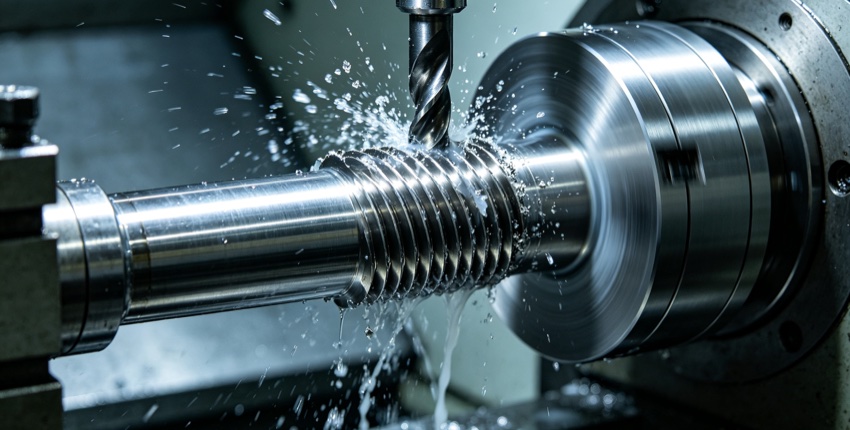
Preventing Thread Galling in Stainless Steel Fasteners: CNC Machining and Surface Engineering Solutions
The galling mechanism in austenitic stainless threads, the machining parameters that reduce it, and the surface treatments and material pairings that prevent cold welding.
stainless-steel · thread-galling · surface-treatment · fasteners
Read more →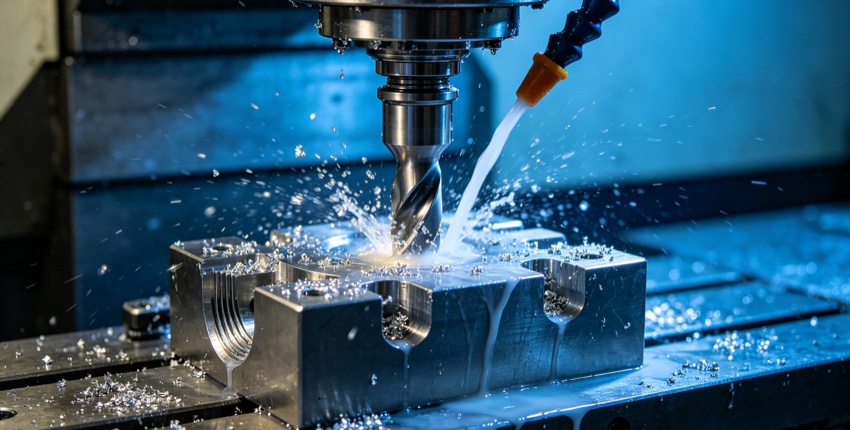
CNC Machining Tolerances: A Complete Guide to Standard, Precision, and High-Precision Tolerances
Standard and precision tolerance ranges by process, the material and geometry factors that move them, and the DFM and metrology controls that keep a ±0.005 mm quote honest.
tolerance · iso-2768 · quality · dfm
Read more →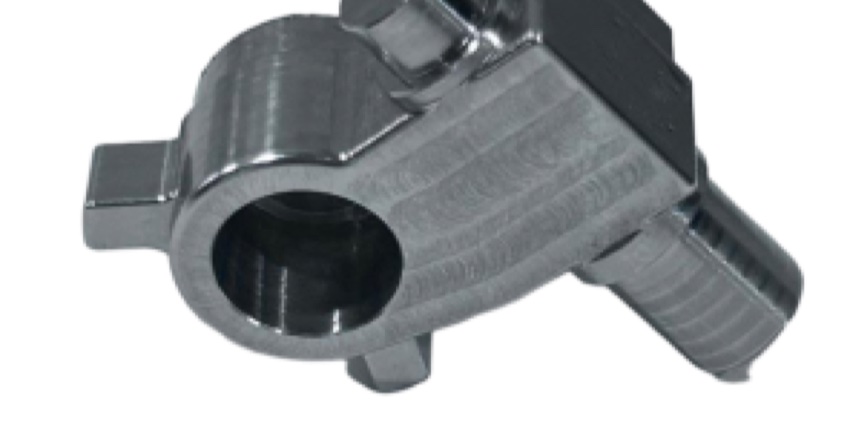
Machining Precision Ankle Bidirectional Shafts: Tolerance Control and Process Design for Medical Rehabilitation Equipment
Material selection, single-setup mill-turn process, and 100% inspection protocol behind a medical rehab shaft with a Phi 15 H7 bore and 0.01 mm runout control.
medical · shaft · 45-steel · mill-turn
Read more →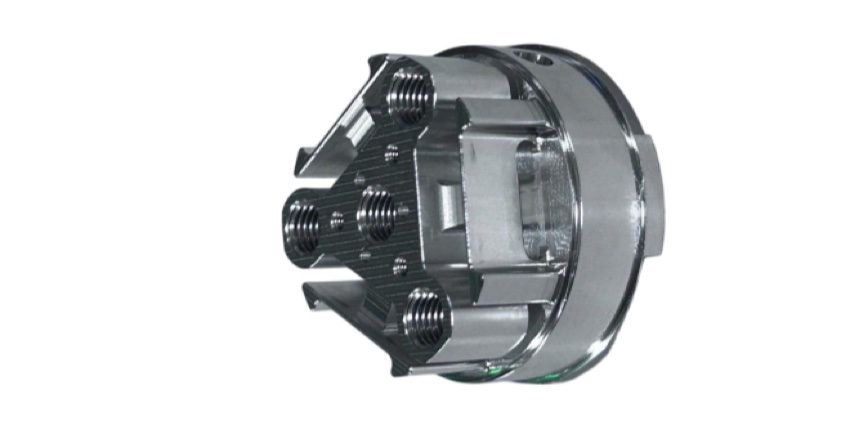
Machining Aluminum Rotary Couplings for Robotics: Material Selection, Thread Precision, and Surface Finishing
Alloy selection, 5-axis machining strategy, and finishing controls for aluminum rotary couplings, with concentricity to 0.002 mm verified by full CMM checks.
aluminum · robotics · 5-axis · coupling
Read more →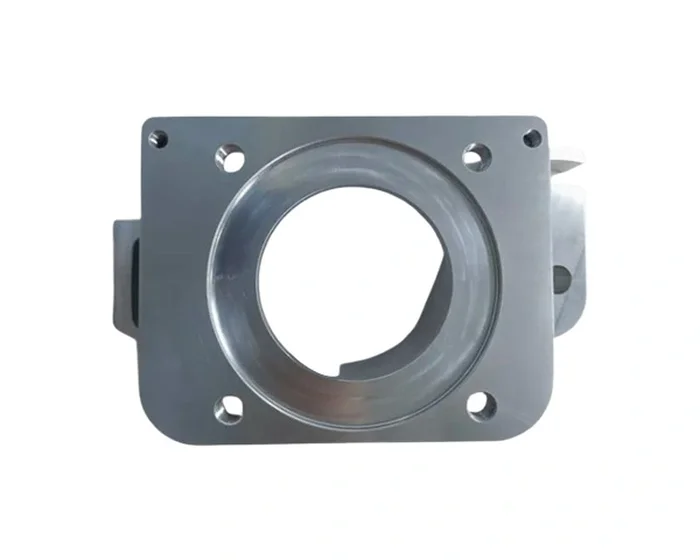
CNC Parts for Semiconductor Equipment: Tolerances, Materials, CMM Verification
The tolerance, material, and verification rules that govern semiconductor equipment parts, and how KGL meets them.
semiconductor · thin-wall · CMM · ESD plastics
Read more →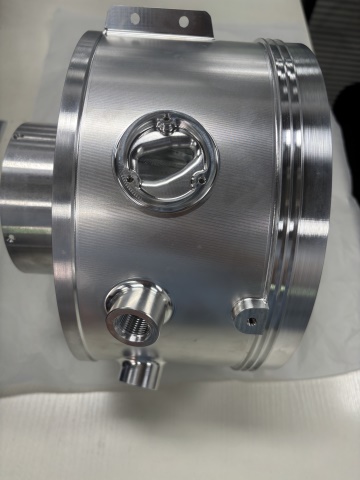
Aerospace CNC Machining: Flight-Critical Brackets and Turbine Components
How an AS9100D audited shop machines flight-critical brackets and turbine components, and what documentation you receive with each lot.
aerospace · AS9100D · titanium · 5-axis
Read more →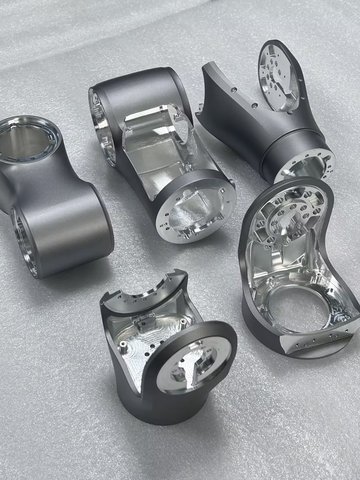
CNC Machining for Robotics: Joint Housings, Wrist Shells, and Gear Transmissions
The machined parts inside a robot, from wrist housings to gear mounts, and the accuracy rules that keep joints repeatable.
robotics · humanoid robot · joint housings · 5-axis
Read more →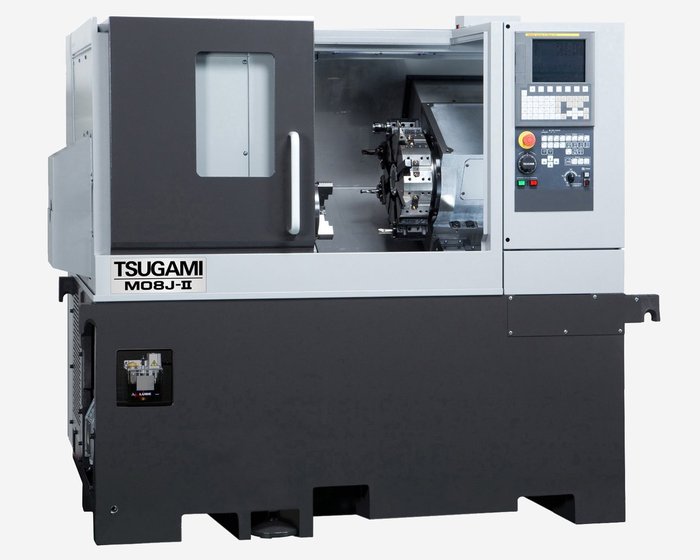
CNC Turning vs CNC Milling: Choosing the Right Process for Your Part
A practical selection guide: when a part belongs on a turning center, when it needs a machining center, and when mill-turn finishes it in one setup.
cnc-turning · cnc-milling · process-selection · mill-turn
Read more →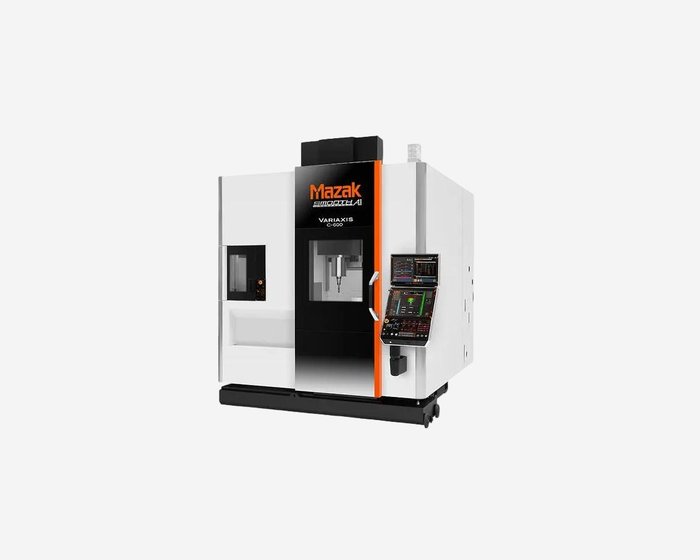
Inside KGL's Five-Axis Fleet: How 100+ CNC Machines Hold ±0.005mm
A walk through KGL's machine fleet: 11 Mazak five-axis centers, 20 turning machines, and how the fleet is organized around tolerance rather than machine count.
5-axis · mazak · factory-tour · capacity
Read more →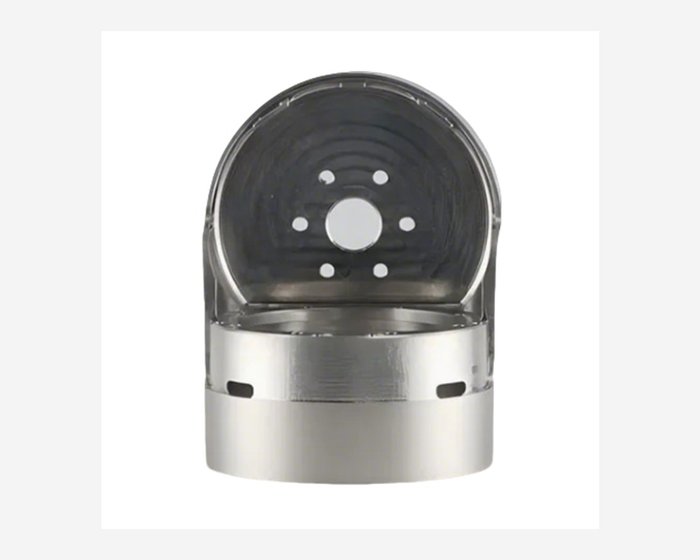
CMM Inspection and First-Article Reports: How KGL Verifies Every Tolerance
The measurement workflow behind every shipment: CMM programming from your model, first-article layout, sampling plans, and what the report package contains.
cmm · inspection · first-article · quality
Read more →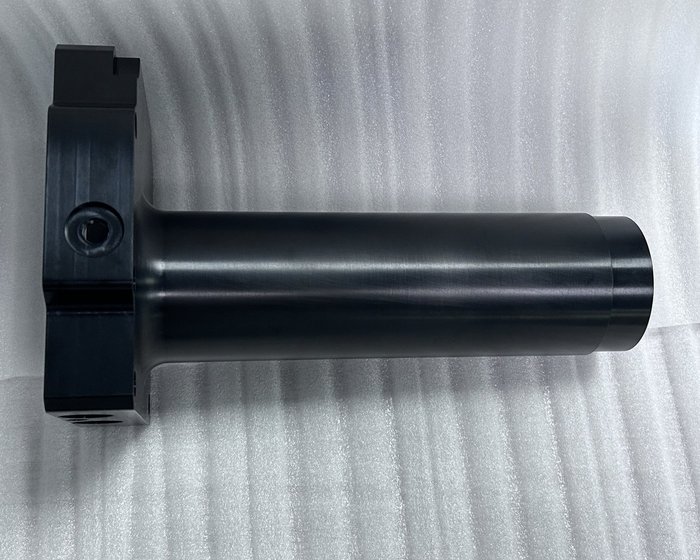
8 Design Choices That Cut CNC Machining Cost Without Losing Precision
Practical DFM moves from our quoting desk: corner radii, depth ratios, thread depth, tolerance stacking, and the finish calls that cost the most.
dfm · cost · design-tips
Read more →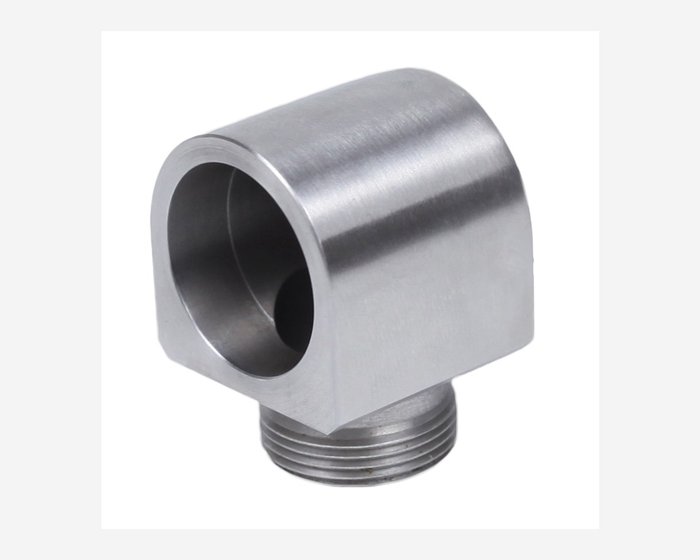
304 vs 316 vs 17-4 PH: Choosing Stainless Steel for CNC Machined Parts
The three stainless grades we machine most, compared on corrosion, machinability, strength, and typical uses, with shop-floor notes datasheets leave out.
stainless-steel · 304 · 316 · 17-4ph · materials
Read more →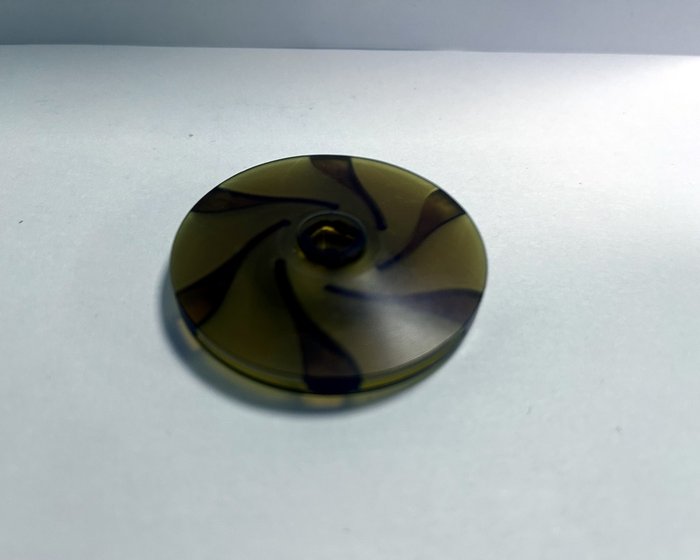
Machining PEEK and Engineering Plastics: Where the Rules Differ From Metal
PEEK, PEI and POM behave differently from metal: heat management, clamping force, stress relief, and tolerance control, with notes from our polymer lines.
peek · pei · plastics · polymer
Read more →
CNC Machining for Semiconductor Equipment: Cleanliness, Materials and Tolerance
What semiconductor equipment makers require from a machining partner: geometry-class tolerances, particle control, material certification, and why one-setup machining decides geometry callouts.
semiconductor · cleanliness · precision
Read more →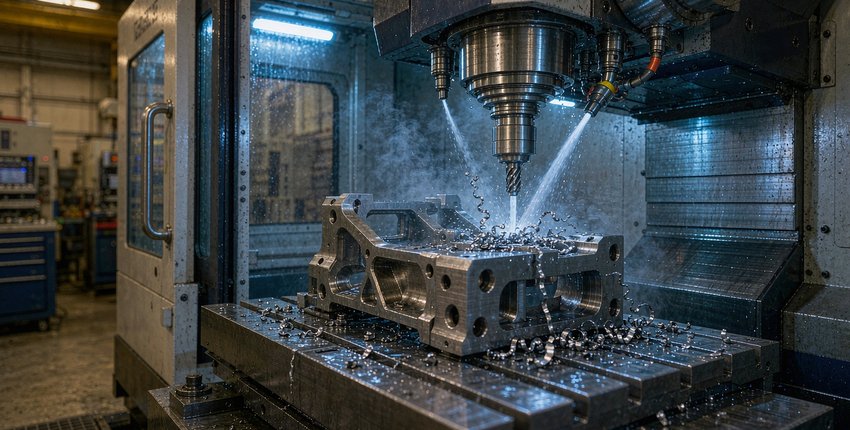
CNC Machining Titanium vs Aluminum: What the Numbers Decide
Titanium and aluminum machine differently because their numbers say so. A practical comparison of tool life, thermal drift, tolerances, and per-part cost.
titanium · aluminum · material-comparison · 5-axis
Read more →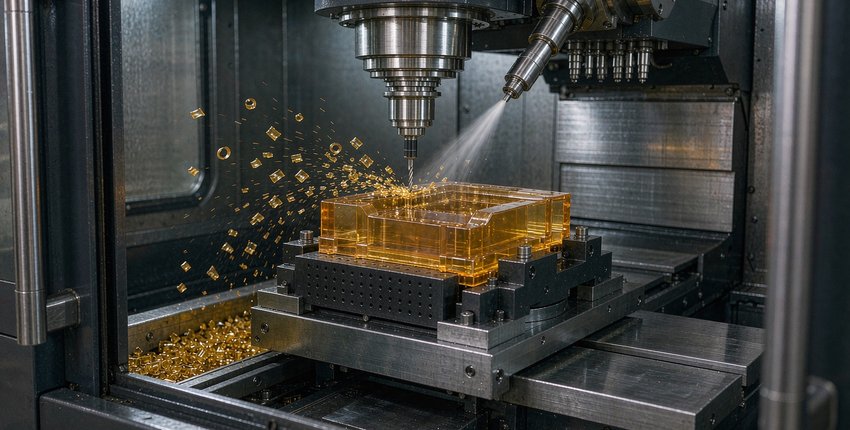
PEI ULTEM 1000 Machining Guide: Parameters, Tolerances, and Shop Practice
How to machine ULTEM 1000 without smearing, warping, or losing tolerance. Parameters, thermal budgeting, and a machined-vs-printed aerospace example.
PEI · ULTEM · polymer · machining-guide · aerospace
Read more →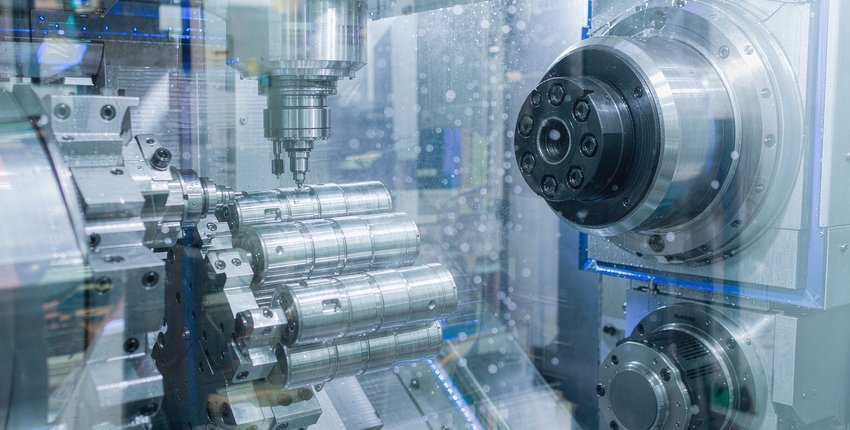
Medical CNC Machining Under ISO 13485: What Engineers Need to Know
Traceability, process validation, and material control are where medical CNC machining is won or lost. A practical look at ISO 13485:2016 from inside a certified shop.
ISO 13485 · medical · 316L · titanium · quality
Read more →
Why KGL Chose ISO 9001:2015 and How It Runs Every Day
ISO 9001:2015 is the baseline for KGL's quality system. This article explains the purpose, scope, and daily practice behind certificate 46524Q10234R0M.
iso 9001 · quality · certification · audit
Read more →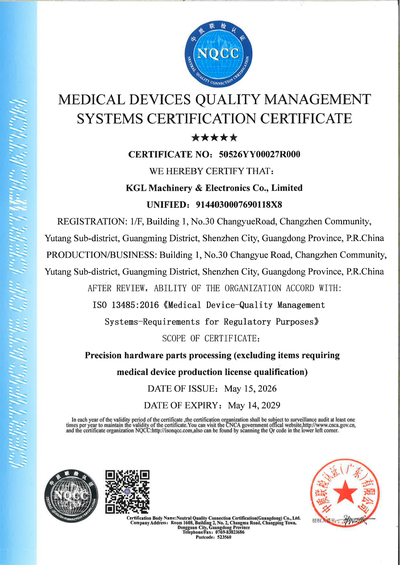
ISO 13485:2016 at KGL: What Medical Device Customers Should Know
ISO 13485:2016 certifies KGL to machine precision hardware parts for medical device manufacturers. Here is why we pursued it and how it changes daily work.
iso 13485 · medical devices · quality · certification
Read more →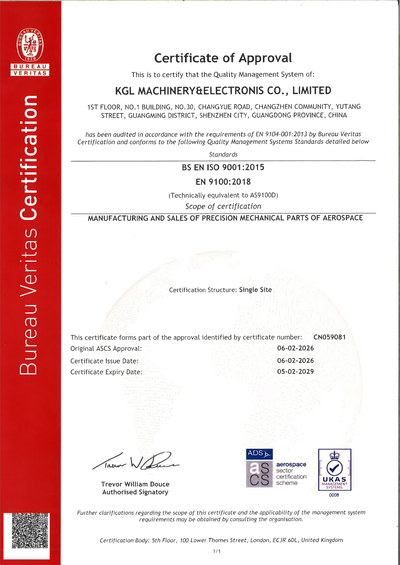
AS9100D at KGL: Why Aerospace Buyers Ask for It
AS9100D is the aerospace quality standard built on ISO 9001:2015. KGL holds certificate CN059081. This article explains why we pursued it and how it changes our work.
as9100d · aerospace · quality · certification
Read more →
What D-U-N-S Registration Means When You Buy From KGL
The D-U-N-S number is the most widely used company identifier in global trade. This article explains what KGL's registration, No. 54-443-4542, verifies and how to use it.
duns · dun & bradstreet · export · compliance
Read more →
KGL Is D&B ESG Registered: What It Means for Buyers
European customers increasingly add ESG questions to supplier audits. This article explains what the D&B ESG Registered seal verifies, what the ranking scale means, and how it fits with our D-U-N-S registration.
esg · dun & bradstreet · compliance · export
Read more →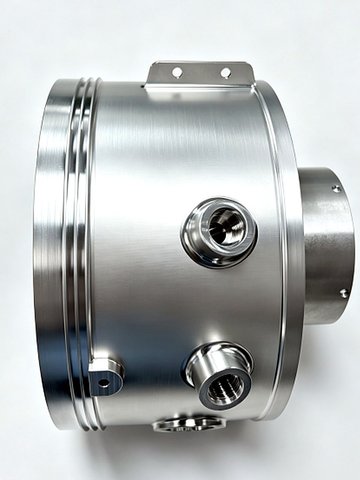
5-Axis CNC Machined Turbine Housing and Stator Vane Assembly
A thin-walled cylindrical housing with internal stator vanes, machined in one multi-axis setup so every feature shares one coordinate origin.
5-axis · turbine housing · stator vanes · aerospace
Read more →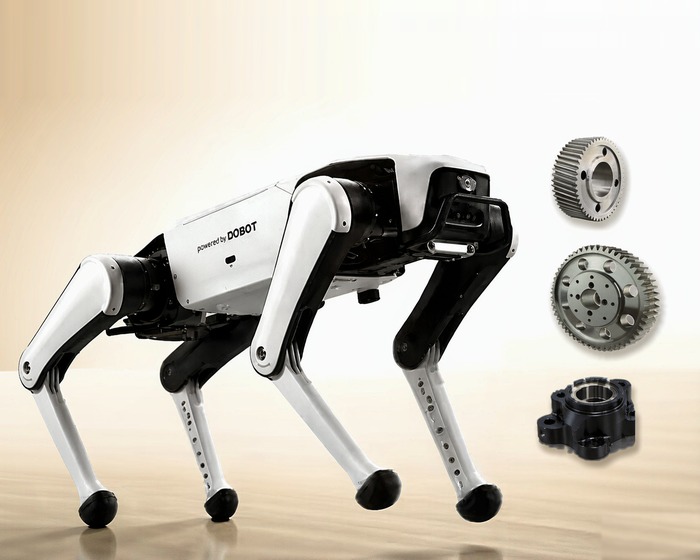
CNC Machined Parts for Quadruped Robots: Links, Joints, Drive Housings
What it takes to machine quadruped leg links and joint housings: thin walls, 5-axis one-setup accuracy, and bore concentricity within 0.005 mm.
robotics · quadruped · 5-axis · aluminum
Read more →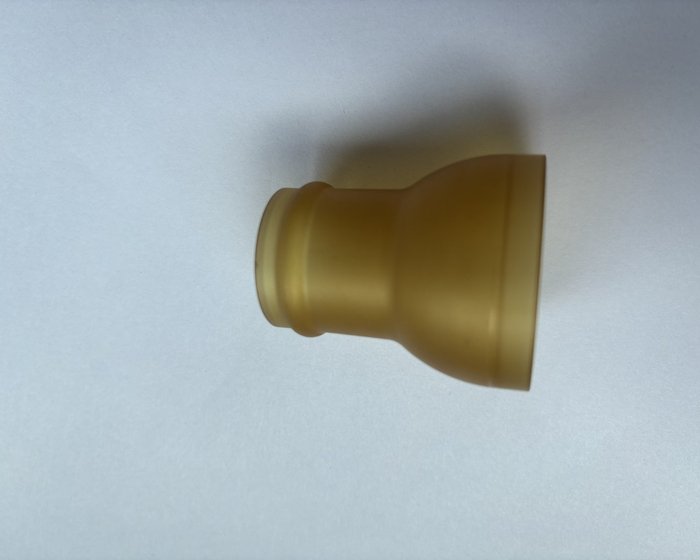
Engineering Polymer Water System Components: PEI, PSU, PPSU, PTFE, PEEK
How KGL machines chemical-resistant polymer fluid components without stress cracking, and keeps sealing faces flat enough to hold pressure.
PEI · PPSU · PEEK · polymer machining · water systems
Read more →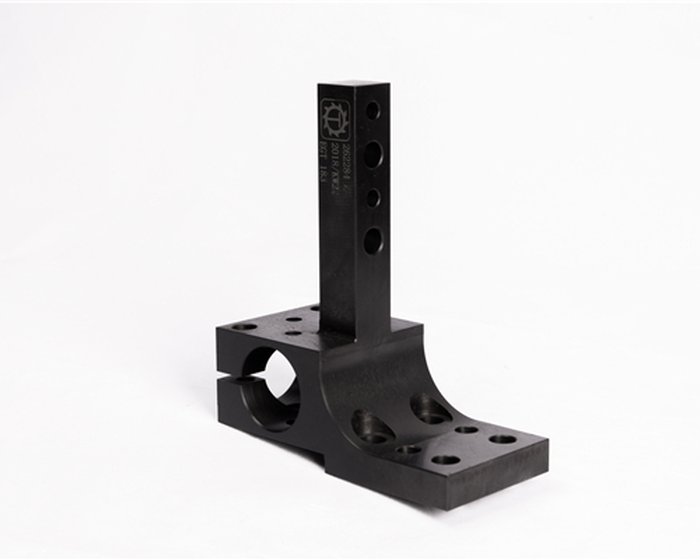
ISO 13485 CNC Machining for Medical Devices: From Fixator to Endoscope
What ISO 13485 changes on a machining floor, from material traceability to CMM reporting, for fixator and endoscope components.
medical · ISO 13485 · endoscope · external fixator
Read more →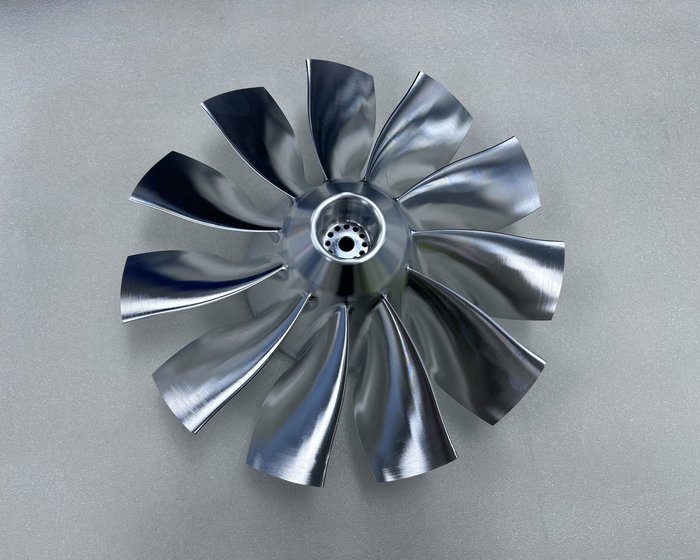
Titanium Alloy CNC Machining: Heat, Tool Wear, and How KGL Controls Both
Why Ti-6Al-4V is hard to cut, how KGL controls heat and tool wear, and what the real cost difference is against aluminum and stainless steel.
titanium · aerospace · medical · 5-axis
Read more →
Precision Aluminum CNC Machining: A Practical Guide for Engineers
How KGL machines 6061, 7075, and A380 aluminum with micron-level precision, and how surface treatment affects final dimensions.
aluminum · aerospace · automotive · anodizing
Read more →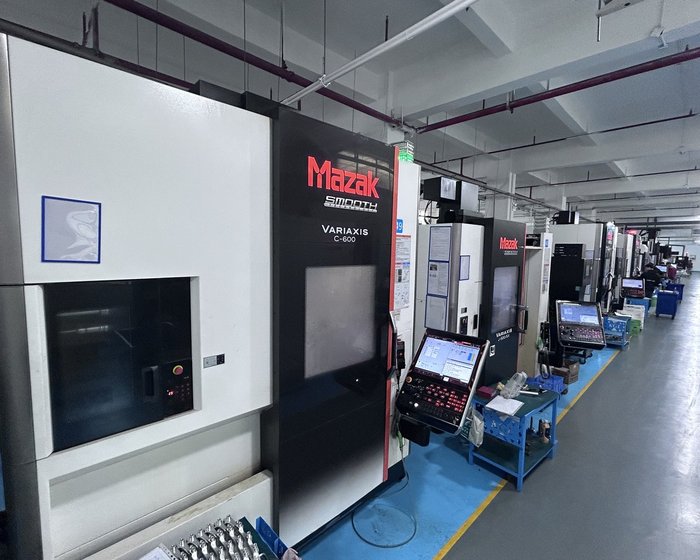
3-Axis, 4-Axis, and 5-Axis CNC Milling: What Changes and What It Costs
A plain-language comparison of 3-axis, 4-axis, and 5-axis CNC milling, with setup counts and tolerance implications.
5-axis · 3-axis · 4-axis · milling
Read more →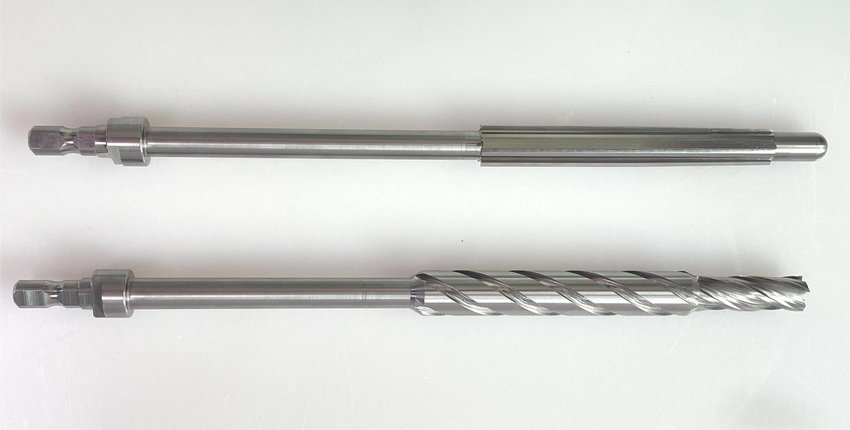
Machining Precision Parts for Medical Devices and Robotics
From endoscope tubes to robot joint arms, what makes medical and robotic parts difficult and how KGL controls the critical dimensions.
medical devices · robotics · ISO 13485 · AS9100D
Read more →
5-Axis CNC Machining Impellers: Tolerance Path from Blisk to Production
The 5-axis machining route for impellers, blisks, and bladed rotors, and why setup count decides accuracy and balance.
5-axis · impeller · turbomachinery · aerospace
Read more →
How to Machine Thin-Wall Stainless Steel Parts Without Distortion
Heat, clamping, and stress relief: how KGL controls distortion on thin-wall stainless steel parts.
stainless steel · thin-wall · semiconductor · 5-axis
Read more →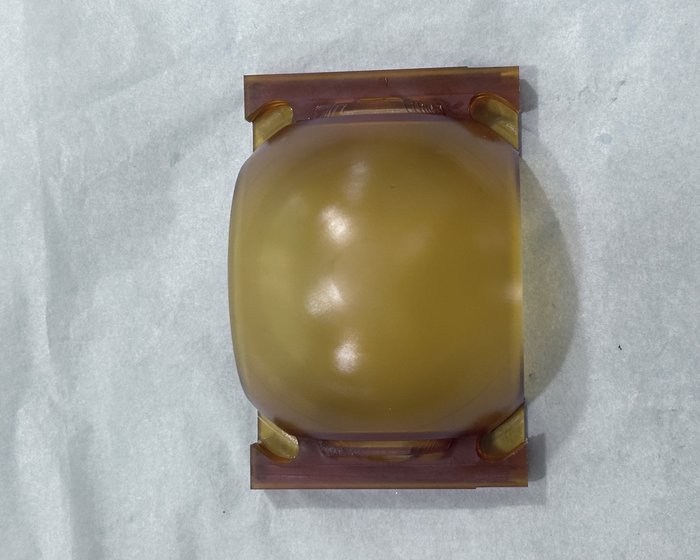
PEI Aerospace Parts: Why CNC Beats 3D Printing for Aircraft Systems
A machined PEI aircraft wastewater part that replaced 3D printing and injection molding, with better accuracy and sealing.
PEI · aerospace · polymer machining · 5-axis
Read more →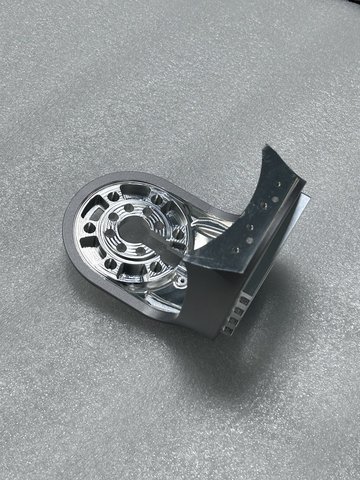
Humanoid Robot Joint Parts: Coaxiality and 48-Hour Sampling
How KGL machines robot joint parts with 0.01 mm multi-axis coaxiality and supports fast iteration.
robotics · humanoid robot · joint parts · 5-axis
Read more →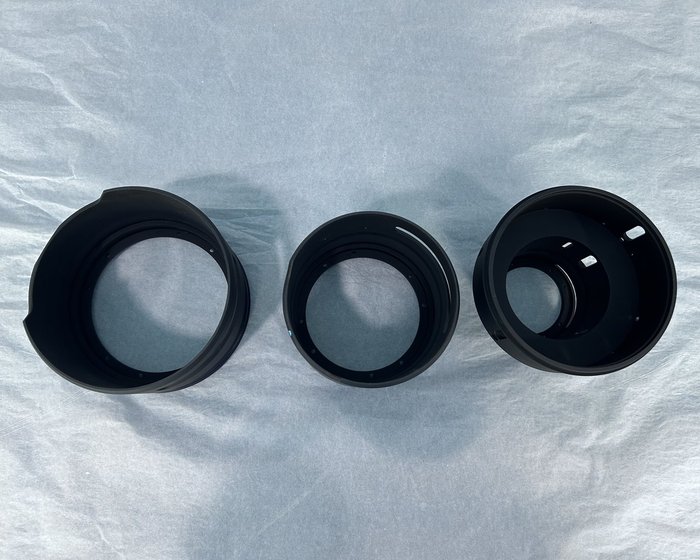
CNC Optical Lens Barrels: Cam Grooves and Zoom Helicoil Assembly
How CNC machining holds concentricity and runout inside optical lens barrel assemblies.
optical · lens barrel · 5-axis · helicoil
Read more →