Knurled Stainless Steel Roller, Turn-Milled Hemispherical Texture, Coaxiality 0.015 mm
Knurled 304/316L stainless steel roller, 40 to 60 mm diameter, dense hemispherical stud array on the OD, H7 precision bore with stepped seats, coaxiality within 0.015 mm, expansion mandrel turning for roundness, dynamic balance tested. Quote in 24 hours.
General Industrial Components
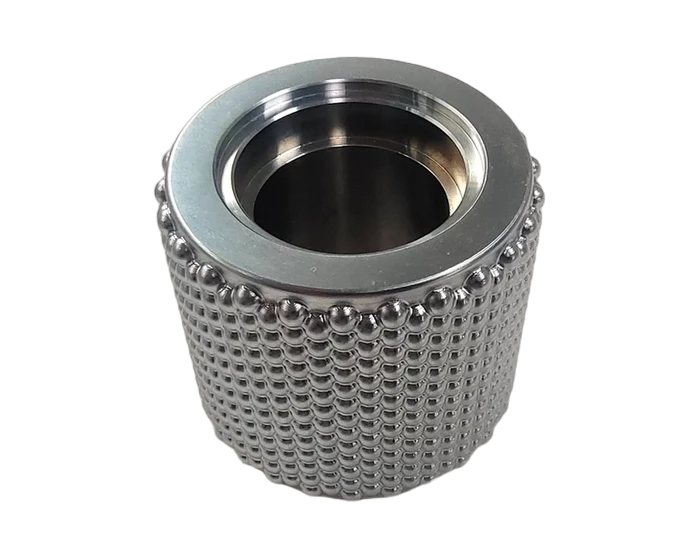
A stainless drive roller with a dense array of hemispherical studs machined into its outside diameter: grip for belts and materials on the outside, an H7 stepped bore with 0.015 mm coaxiality for the shaft on the inside.
Or email drawings to kgl@kglmfc.com
Key Specifications
| Parameter | KGL Capability |
|---|---|
| Material | Stainless steel 304 / 316L |
| Outside diameter | Approx. 40 to 60 mm |
| Length | Approx. 50 to 80 mm |
| Bore | H7 precision fit, stepped seats per drawing |
| Seat tolerance | H6 / H8 class on steps and bearing seats |
| Coaxiality | 0.015 mm max |
| Surface texture | Dense hemispherical stud array, matrix arranged |
| End faces | Machined square for balance and seating |
| Process | Bar or tube stock, CNC rough turning of OD and bore, 4/5-axis stud array machining, fine boring to H7, deburr and finish, surface conditioning |
| Inspection | CMM on bore, seats, runout and coaxiality; optical projector on stud array uniformity; dynamic balance test |
| Tolerance | ±0.005 mm standard on metals, engineering plastics, and carbon fiber composite |
| Certifications | ISO 9001:2015, ISO 13485:2016, AS9100D |
| Capacity | 100+ CNC machines including 11 five-axis centers |
| MOQ | No MOQ; 1-piece prototypes supported |
| Quote | Within 24 hours for complete 2D/3D files |
About This Part
This roller moves material by grip. Its outside diameter carries a dense, matrix-arranged array of hemispherical studs machined directly into the stainless body, the kind of texture used where a roller must not slip: feed rollers, drive drums and handling surfaces. The studs are cut, not cast, so the array is uniform, burr free and repeatable across the face, and across replacement rollers years apart.
Inside is the precision half of the part. The bore is held to H7 for a transition or light interference fit on the drive shaft, with stepped seats and shoulders for bearings, keys or locking hardware. Coaxiality between bore and outside diameter is held within 0.015 mm, because a roller that runs eccentric transmits that error straight into the web or belt it drives, as speed variation and tracking wander.
Machining thousands of individual studs loads the surface asymmetrically, and the resulting local forces can dent roundness if the part is chucked conventionally. The countermeasure is an expansion mandrel: the roller mounts on an internal expanding arbor so its outside can be machined without clamp-point distortion, and the finish passes come off with even, light cuts. End faces are turned square so the roller balances and seats true at speed.
Verification is instrumented. CMM takes the bore, seats, end face runout and coaxiality; an optical measuring projector checks the stud array for uniformity and form; and finished rollers run on a dynamic balance tester, because a texture roller spinning off balance shakes everything downstream of it.
This part family supports the Industrial Parts industry. Read how KGL machines parts for that sector, then send your drawing for a quote.
Why Machine It at KGL
Five-Axis Fleet
100+ CNC machines including 11 five-axis centers run complex geometry in single setups, so tolerances do not stack up across refixturing.
Verified Accuracy
±0.005 mm standard on metals, plastics, and carbon fiber composite, verified on Hexagon and Zeiss CMMs (0.0015 mm accuracy).
Fast Prototypes
Engineering feedback with every quotation; prototype parts typically machined in 15 to 25 days.
One Supplier, End to End
Material sourcing, machining, heat treatment coordination, finishing, CMM inspection and export packaging under one roof.
Part-Specific Advantages
- Dense hemispherical stud array machined into the OD for high grip
- H7 precision bore with stepped seats for bearing and shaft fits
- Coaxiality within 0.015 mm between bore and outside diameter
- Expansion mandrel turning prevents clamp-point roundness error
- 304 / 316L stainless for corrosion resistance and long service life
- Dynamic balance tested; optical inspection of stud array uniformity
Typical Applications
- Grip and feed rollers for drive and conveying mechanisms
- Mold and tooling roller components requiring textured surfaces
- Stainless rollers where an H7 bore and low runout share one part
Commercial Terms
| Commercial | Detail |
|---|---|
| MOQ | No MOQ; 1-piece prototype supported |
| Quote | Within 24 hours for complete 2D/3D files |
| Terms | EXW / FOB Shenzhen |
| Certifications | ISO 9001:2015 |
| Packaging | Individual bubble wrap, export carton or wooden case |
| Lead Time | Prototypes 7 to 15 days; production scheduled by volume |
Common Questions
Why machined studs instead of knurling wheels or casting?
A knurl wheel displaces metal and leaves a diamond pattern, and casting leaves a rough, inconsistent array. These studs are individually machined hemispheres, so the pattern is uniform, the edges are clean, and a replacement roller years from now matches the first one.
Why does the bore fit matter so much on a roller?
The bore sets how the roller runs. An H7 seat keeps the fit consistent through replacement cycles, and the 0.015 mm coaxiality keeps the surface speed even across the width. Eccentricity here shows up downstream as vibration and tracking error.
What tolerances can you hold on new rollers?
The drawing's own callouts govern. Send the tolerance band with the shaft and bearing sizes it mates to, and we will confirm feature by feature what can be held before quoting.
More General Industrial Components Parts
Other parts KGL machines in this industry. Every card links to its own detail page.
General Industrial Components
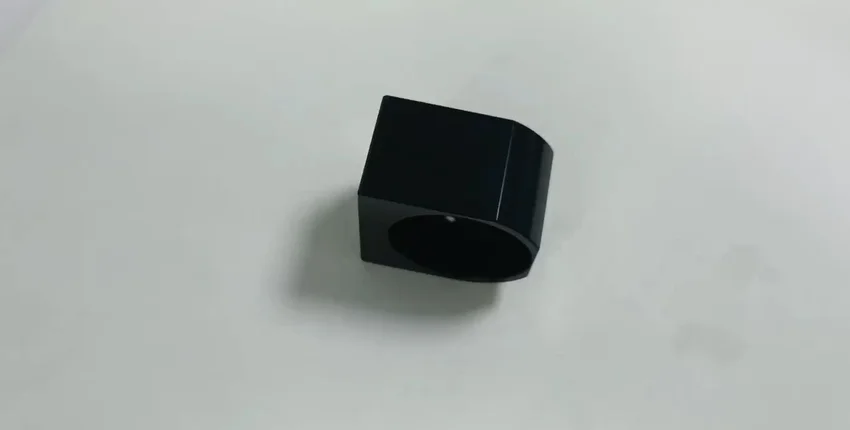
CNC Machining Chocolate Equipment Anodized Aluminum Slide Cover
View product →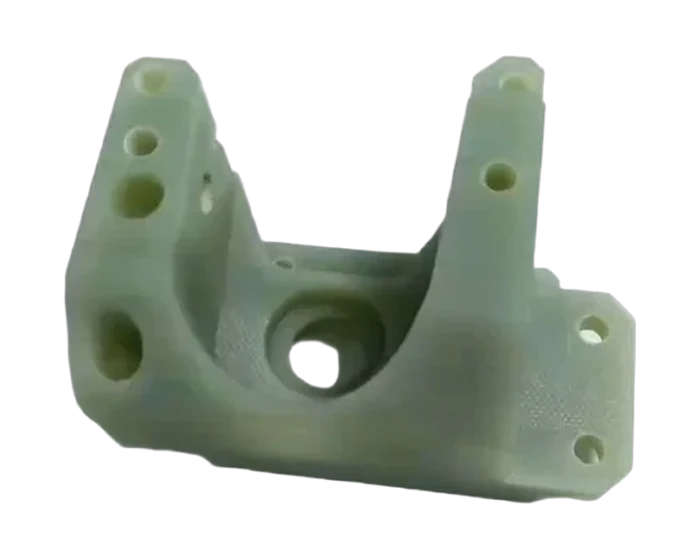
General Industrial Components
CNC Milling Industrial Equipment Filter Nozzle Mounting Base
View product →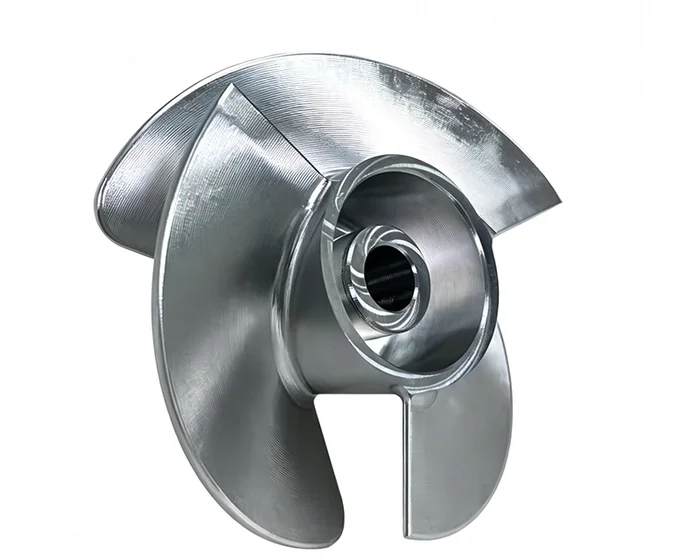
General Industrial Components
For Water SystemsCustom Milling Machining Impeller
View product →Ready to Machine This Part?
Send your 2D/3D drawings and get a quote within 24 hours. No MOQ for prototypes and small lots.
Request a Quote