One Piece Funnel Sleeve in 17-4 PH Stainless, Turn Mill Machined and Electropolished
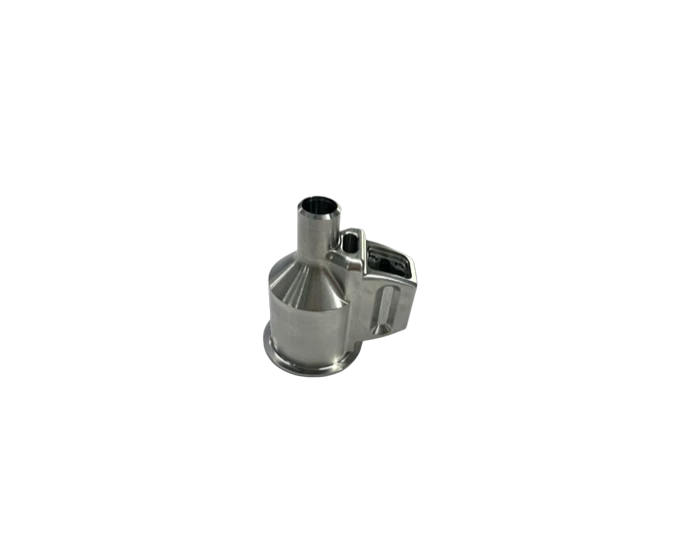
17-4 PH H900 medical funnel sleeve: 6 mm to 14 mm tapered bore, coaxiality 0.015 mm, transition surface Ra 0.4, electropolished and passivated. ISO 13485 lot traceability. Quote in 24 hours.
Medical Devices
A single piece fluid guide that tapers from a 6 mm leading tube through a conical transition to a 14 mm interface, with machined latch seats and an anti pull flange. Heat treated to HRC 38 to 45 for thin wall stiffness.
Or email drawings to kgl@kglmfc.com
Key Specifications
| Parameter | KGL Capability |
|---|---|
| Material | 17-4 PH stainless, H900 or H1025 |
| Process | Turn mill multitasking one setup, 5 axis milling of latch seats, precipitation heat treatment, electropolishing, micro deburring, purified water ultrasonic cleaning |
| Bore taper | 6 mm to 14 mm conical transition |
| Concentricity | 0.015 mm max bore to OD |
| Transition roughness | Ra 0.4 um max |
| Hardness | HRC 38 to 45 after heat treatment |
| Inspection | CMM, medical borescope on flow path, go no go gauges, roughness meter |
| Tolerance | ±0.005 mm standard on metals, engineering plastics, and carbon fiber composite |
| Certifications | ISO 9001:2015, ISO 13485:2016, AS9100D |
| Capacity | 100+ CNC machines including 11 five-axis centers |
| MOQ | No MOQ; 1-piece prototypes supported |
| Quote | Within 24 hours for complete 2D/3D files |
About This Part
Fluid paths for medical devices work best without joints, and this sleeve removes them: one piece of 17-4 PH stainless turned and milled into a 6 mm guide tube, a smooth conical transition, and a 14 mm interface, with the internal bore polished so insertion hardware slides without hang ups.
The key numbers: bore to outer diameter concentricity at 0.015 mm or better, cone transition surface at Ra 0.4 with no tool marks or steps, and a flanged anti pull ring at the large end for a snug fit into the seal sleeve. Side latch seats and weight relief pockets are five axis milled while the part is still on the turn mill center.
After machining the parts are precipitation heat treated to H900 or H1025, reaching HRC 38 to 45, which keeps the thin cone rigid under side loads. The bore and exterior are then electropolished, micro deburred under magnification, and ultrasonically cleaned in purified water. Inspection pairs the CMM with a medical grade borescope on the flow path, plus go no go gauges and roughness verification.
This part family supports the Medical Device Parts industry. Read how KGL machines parts for that sector, then send your drawing for a quote.
Why Machine It at KGL
Five-Axis Fleet
100+ CNC machines including 11 five-axis centers run complex geometry in single setups, so tolerances do not stack up across refixturing.
Verified Accuracy
±0.005 mm standard on metals, plastics, and carbon fiber composite, verified on Hexagon and Zeiss CMMs (0.0015 mm accuracy).
Fast Prototypes
Engineering feedback with every quotation; prototype parts typically machined in 15 to 25 days.
One Supplier, End to End
Material sourcing, machining, heat treatment coordination, finishing, CMM inspection and export packaging under one roof.
Part-Specific Advantages
- One piece taper from 6 mm to 14 mm, no brazed or welded joints
- Bore to OD concentricity 0.015 mm for smooth device insertion
- Cone transition Ra 0.4, free of tool marks and steps
- 17-4 PH H900 / H1025, HRC 38 to 45 for thin wall stiffness
- Electropolished flow path, medical grade deburring and cleaning
Typical Applications
- Fluid guides and funnel sleeves in medical devices
- Insertion hardware interfaces for diagnostic handpieces
- Corrosion resistant stainless fluid components for biotech equipment
Commercial Terms
| Commercial | Detail |
|---|---|
| MOQ | No MOQ; 1-piece prototype supported |
| Quote | Within 24 hours for complete 2D/3D files |
| Terms | EXW / FOB Shenzhen |
| Certifications | ISO 9001:2015, ISO 13485:2016 |
| Packaging | Individual bubble wrap, export carton or wooden case |
| Lead Time | Prototypes 7 to 15 days; production scheduled by volume |
Common Questions
Why 17-4 PH instead of 304 stainless here?
The thin cone needs stiffness that 304 cannot deliver at this wall thickness. 17-4 PH gains that through heat treatment while keeping the corrosion profile medical devices expect.
How do you polish inside a taper?
A custom form tool carries the geometry and the electropolish does the fine work, then the borescope verifies there are no tool marks left in the transition.
More Medical Devices Parts
Other parts KGL machines in this industry. Every card links to its own detail page.
Medical Devices
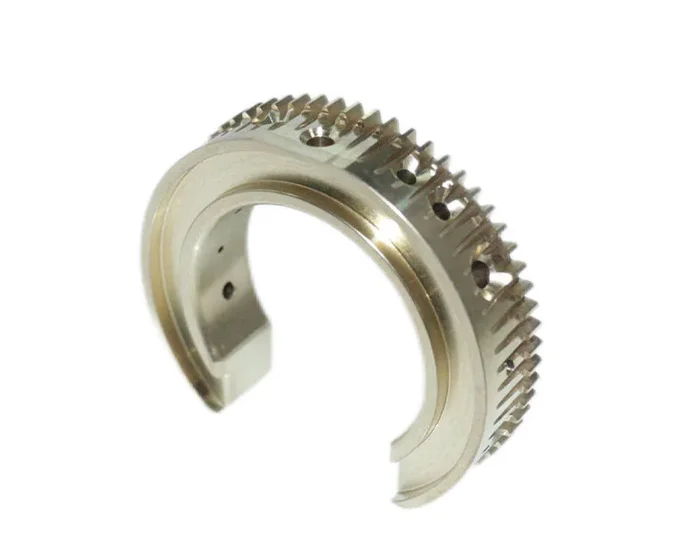
CNC Machining Medical Equipment Bracket and Automotive Rocker Arm Parts
View product →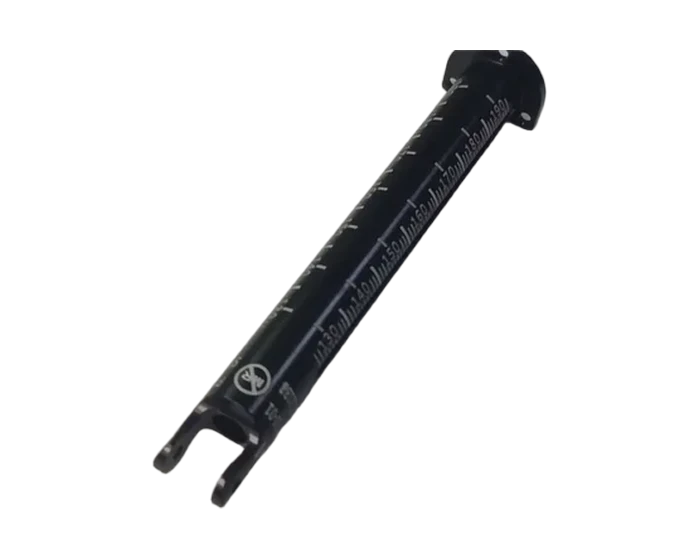
Medical Devices
CNC Machining Medical Orthopedic Aluminum External Fixator
View product →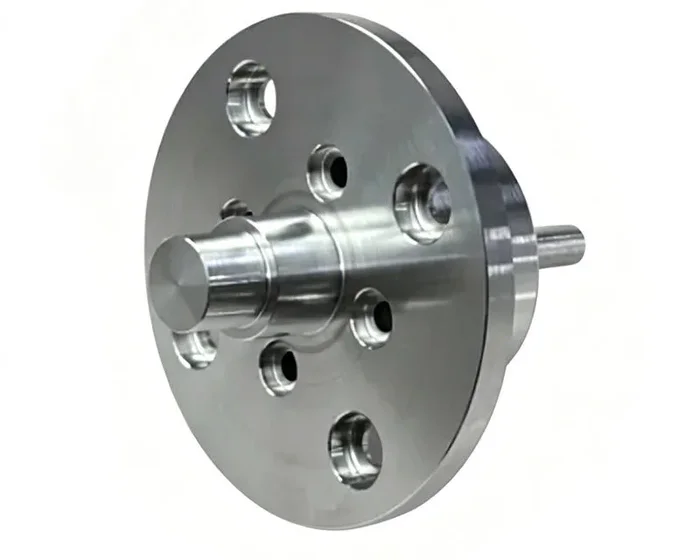
Medical Devices
CNC Milling Machining Rotary Motor Lock Aluminum Parts for Medical Equipment
View product →Ready to Machine This Part?
Send your 2D/3D drawings and get a quote within 24 hours. No MOQ for prototypes and small lots.
Request a Quote