BNA2 Tilt Motor Bracket in SUS316 Stainless, CNC Machined
SUS316 BNA2 tilt motor bracket: 16.05 mm bore at plus or minus 0.03, 2-3.0 and 4-2.5 through holes, M2 threads, Ra 1.6 surfaces, CMM sampling on key bore. Quote in 24 hours, no MOQ.
Semiconductor & Optics
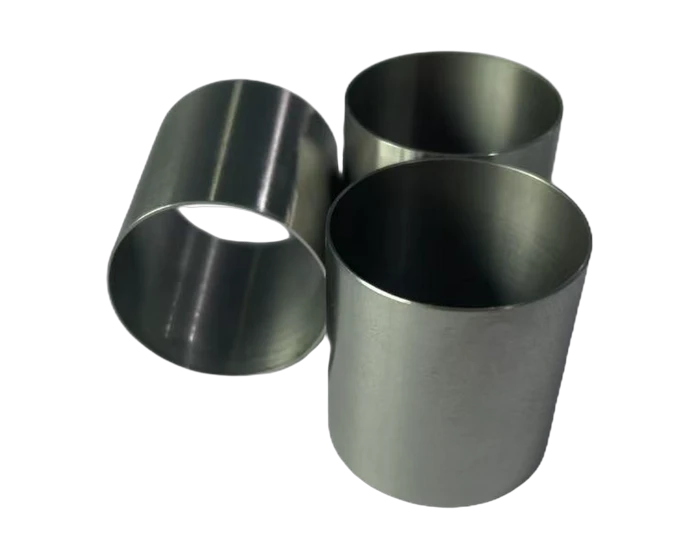
A compact tilt motor mounting bracket machined from SUS316 stainless: the 16.05 +/ 0.03 mm through bore as the key controlled feature, 3.0 and 2.5 mm through holes, M2 threads at 4 mm deep, Ra 1.6 surfaces, burr and scratch free.
Or email drawings to kgl@kglmfc.com
Key Specifications
| Parameter | KGL Capability |
|---|---|
| Material | Stainless steel SUS316 |
| Process | CNC turning of bracket body, drilling 2X 3.0 and 4X 2.5 through and 16.05 bore, M2 threading 4 mm deep, C0.5 chamfering, deburring |
| Key dimension | 16.05 +/-0.03 mm through bore |
| Holes | 2X 3.0 mm through, 4X 2.5 mm through |
| Thread | M2, 4 mm deep |
| Surface roughness | Ra 1.6 unless otherwise specified |
| Tolerance class | GB/T 1804-2000 f |
| Inspection | Caliper and micrometer, thread gauges, roughness comparison, CMM sampling on key bore |
| Tolerance | ±0.005 mm standard on metals, engineering plastics, and carbon fiber composite |
| Certifications | ISO 9001:2015, ISO 13485:2016, AS9100D |
| Capacity | 100+ CNC machines including 11 five-axis centers |
| MOQ | No MOQ; 1-piece prototypes supported |
| Quote | Within 24 hours for complete 2D/3D files |
About This Part
Tilt mechanisms need the motor axis locked to the bracket, and this bracket carries that duty with one key dimension: the 16.05 through bore, held at plus or minus 0.03 mm and marked as the controlled feature on the drawing. Everything else hangs off it: the 2X 3.0 mm and 4X 2.5 mm through holes for fasteners, and an M2 thread 4 mm deep for the set screw.
SUS316 was chosen over 304 for corrosion resistance, which matters in process equipment that sees cleaning agents and humidity. Machining runs turning for the body, drilling and threading for the hole pattern, C0.5 chamfers, then deburring with surfaces finished to Ra 1.6 and free of scratches or handling marks.
Tolerance defaults follow GB/T 1804-2000 f class. Inspection covers caliper and micrometer on dimensions, thread gauges on M2, surface roughness comparison, and CMM sampling on the key bore, so the 0.03 band is verified lot by lot rather than assumed.
This part family supports the Semiconductor Parts industry. Read how KGL machines parts for that sector, then send your drawing for a quote.
Why Machine It at KGL
Five-Axis Fleet
100+ CNC machines including 11 five-axis centers run complex geometry in single setups, so tolerances do not stack up across refixturing.
Verified Accuracy
±0.005 mm standard on metals, plastics, and carbon fiber composite, verified on Hexagon and Zeiss CMMs (0.0015 mm accuracy).
Fast Prototypes
Engineering feedback with every quotation; prototype parts typically machined in 15 to 25 days.
One Supplier, End to End
Material sourcing, machining, heat treatment coordination, finishing, CMM inspection and export packaging under one roof.
Part-Specific Advantages
- Key 16.05 plus or minus 0.03 mm through bore, CMM sampled per lot
- SUS316 stainless for corrosion resistance over 304
- 2X 3.0 mm and 4X 2.5 mm through holes, M2 threads 4 mm deep
- Ra 1.6 surfaces, free of burrs, scratches, and impact marks
- C0.5 chamfers on outer edges, C0.2 default on corners
- GB/T 1804-2000 f class tolerance defaults
Typical Applications
- Tilt motor mounting brackets in BNA2 class mechanisms
- Motor support structures in drive assemblies
- Corrosion resistant stainless brackets for automation equipment
Commercial Terms
| Commercial | Detail |
|---|---|
| MOQ | No MOQ; 1-piece prototype supported |
| Quote | Within 24 hours for complete 2D/3D files |
| Terms | EXW / FOB Shenzhen |
| Certifications | ISO 9001:2015 |
| Packaging | Individual bubble wrap, export carton or wooden case |
Common Questions
Why 316 instead of 304 here?
Process equipment brackets get wiped down with solvents and sit in humid enclosures. 316 adds molybdenum for pitting resistance, which keeps the bracket clean looking and corrosion free where 304 would start to tea stain.
What makes the 16.05 bore the key feature?
The tilt motor pilots into it. Bore error becomes motor axis error, which becomes pointing error downstream, so the drawing controls it at plus or minus 0.03 and we verify it on the CMM lot by lot.
Can the bracket be passivated after machining?
Yes. Passivation is a standard add on for 316 parts and improves the natural oxide layer. Say the word and we will add it to the route before quoting.
More Semiconductor & Optics Parts
Other parts KGL machines in this industry. Every card links to its own detail page.
Semiconductor & Optics
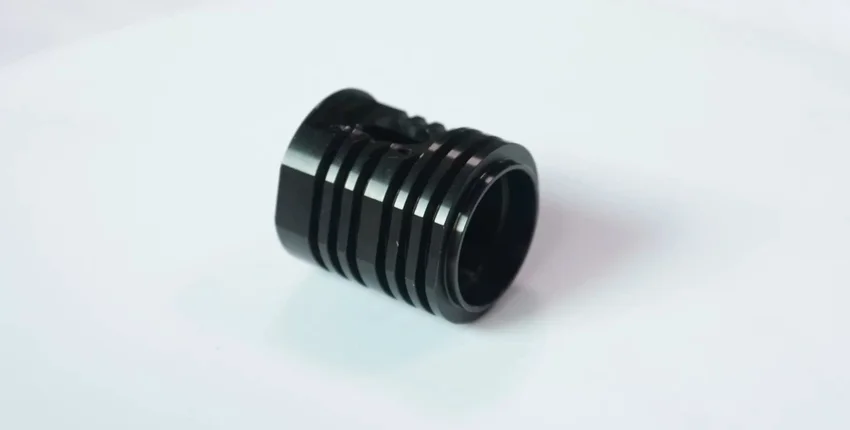
Custom CNC Precision Machining Semiconductors Packaging Inspection Equipment and Automation Parts
View product →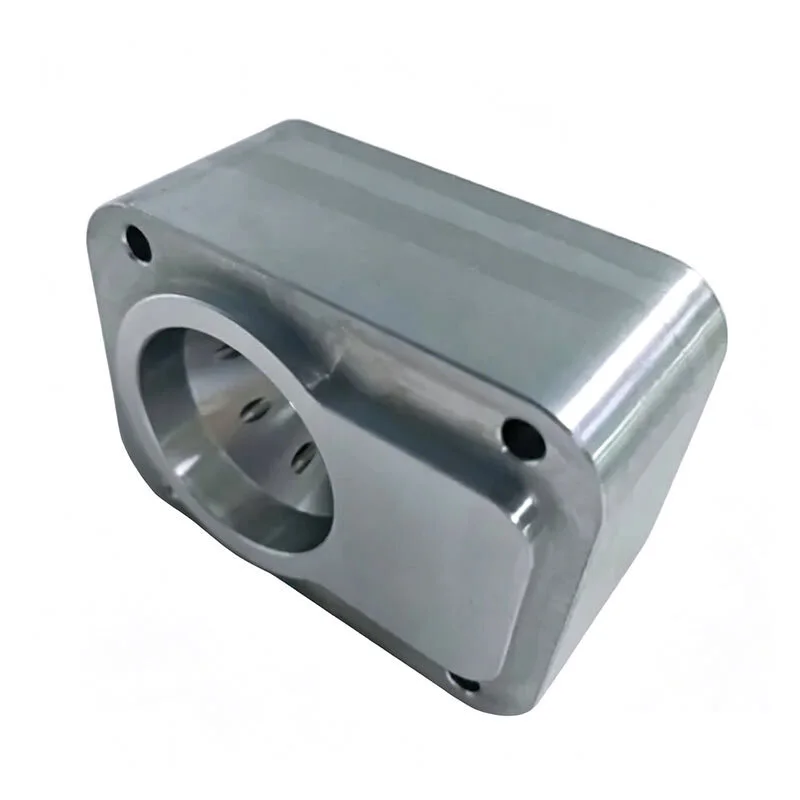
Semiconductor & Optics
Microscope Quad Lens Seals for Medical and Laboratory Use
View product →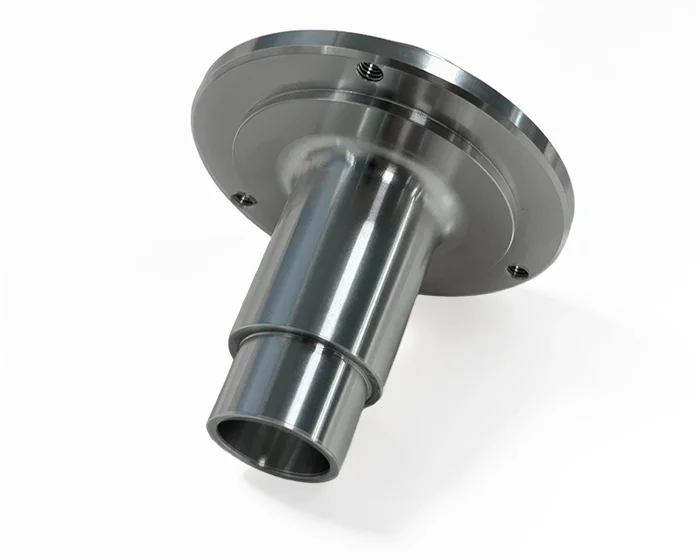
Semiconductor & Optics
OEM Custom CNC Precision Machining Semiconductors and Automation Part
View product →Ready to Machine This Part?
Send your 2D/3D drawings and get a quote within 24 hours. No MOQ for prototypes and small lots.
Request a Quote