Skeletonized Optical Interface Body in SUS316, Cone Seat at ±0.005 mm
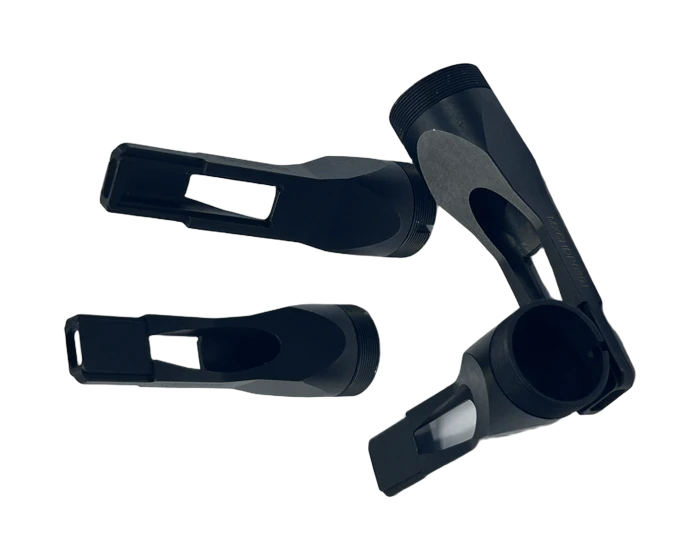
SUS316 skeletonized optical interface body: cone seat at ±0.005 mm, coaxiality 0.008 mm, Ra 0.4 to 0.8 um, QPQ black finish. Turn-mill machined, CMM verified. Quote in 24 hours.
Semiconductor & Optics
A topology optimized, skeleton machined interface body in SUS316 that pairs extreme weight reduction with a ±0.005 mm cone seat, 0.008 mm coaxiality, and a QPQ black finish for optical communication equipment.
Or email drawings to kgl@kglmfc.com
Key Specifications
| Parameter | KGL Capability |
|---|---|
| Material | Stainless steel SUS316 |
| Process | Swiss rough turning; 5-axis single setup milling of internal steps and bearing stop; NC finish turning of external threads and holes; ultrasonic cleaning; micro deburring; QPQ black finish; CMM inspection |
| Cone seat and stop tolerance | ±0.005 mm |
| Coaxiality | ≤0.008 mm |
| Cone runout / tilt | ≤0.005 mm |
| Surface finish | Ra 0.4 to 0.8 um on fitting cone and stop |
| Threads and pin holes | Gauge checked, no crossed or collapsed threads |
| Edge condition | Micro chamfers on all skeleton edges, burr free |
| Tolerance | ±0.005 mm standard on metals, engineering plastics, and carbon fiber composite |
| Inspection | Hexagon / Zeiss CMM with 0.0015 mm accuracy, full first-article reports |
| Certifications | ISO 9001:2015, ISO 13485:2016, AS9100D |
| Capacity | 100+ CNC machines including 11 five-axis centers |
| MOQ | No MOQ; 1-piece prototypes supported |
| Quote | Within 24 hours for complete 2D/3D files |
About This Part
The skeleton windows in this body are not styling. Removing every gram the stiffness budget allows raises the natural frequency of the assembly and cuts the mass the actuator has to swing, while the remaining ribs carry the torsional load. Machining those windows and the precision cone seat from one SUS316 blank keeps the two ends of the part coaxial, which lowers vibration and noise in service.
The locating cone and bearing stop are held at ±0.005 mm, coaxiality within 0.008 mm, and cone runout within 0.005 mm, with fitting surfaces at Ra 0.4 to 0.8 um. Threads and pin holes are gauge checked so the body drops into the housing without fitting work.
After machining, the part is ultrasonic cleaned, micro deburred along every skeleton edge, and QPQ treated for a hard, black, corrosion resistant surface. CMM records the cone, stop, and coaxiality on every lot.
This part family supports the Semiconductor Parts industry. Read how KGL machines parts for that sector, then send your drawing for a quote.
Why Machine It at KGL
Five-Axis Fleet
100+ CNC machines including 11 five-axis centers run complex geometry in single setups, so tolerances do not stack up across refixturing.
Verified Accuracy
±0.005 mm standard on metals, plastics, and carbon fiber composite, verified on Hexagon and Zeiss CMMs (0.0015 mm accuracy).
Fast Prototypes
Engineering feedback with every quotation; prototype parts typically machined in 15 to 25 days.
One Supplier, End to End
Material sourcing, machining, heat treatment coordination, finishing, CMM inspection and export packaging under one roof.
Part-Specific Advantages
- Topology optimized skeleton windows cut mass while preserving torsional stiffness
- Precision cone seat and stop at ±0.005 mm for repeatable, play free location
- Coaxiality within 0.008 mm and cone runout within 0.005 mm from single setup machining
- Fitting surfaces at Ra 0.4 to 0.8 um
- QPQ black surface treatment for hardness and corrosion resistance
- Micro chamfered skeleton edges, free of burrs, CMM verified each lot
Typical Applications
- Optical communication signal transfer interfaces
- High dynamic response adapter flanges for rotary actuators
- Precision rotating mechanism support seats in automation equipment
Commercial Terms
| Commercial | Detail |
|---|---|
| MOQ | No MOQ; 1-piece prototype supported |
| Quote | Within 24 hours for complete 2D/3D files |
| Terms | EXW / FOB Shenzhen |
| Certifications | ISO 9001:2015 |
| Packaging | Individual bubble wrap, export carton or wooden case |
Common Questions
Does the skeleton structure lose stiffness?
No. The window pattern comes from the load path: ribs stay where torsion and bending run, and material is removed where it does no work. The result is close to the stiffness of the solid body at a fraction of the mass.
What does QPQ do for a stainless part?
QPQ nitriding adds a hard, black, self lubricating surface layer on top of the corrosion resistance of SUS316. It also gives a uniform low reflection finish that suits optical assemblies.
Can you hold the ±0.005 mm cone seat in production lots?
Yes, and we prove it: the cone, stop, and coaxiality are CMM measured on every lot, with reports shipped alongside the parts.
More Semiconductor & Optics Parts
Other parts KGL machines in this industry. Every card links to its own detail page.
Semiconductor & Optics
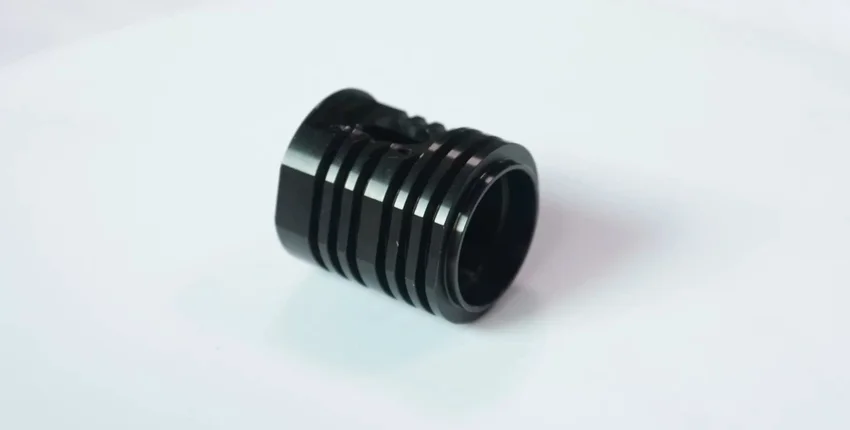
Custom CNC Precision Machining Semiconductors Packaging Inspection Equipment and Automation Parts
View product →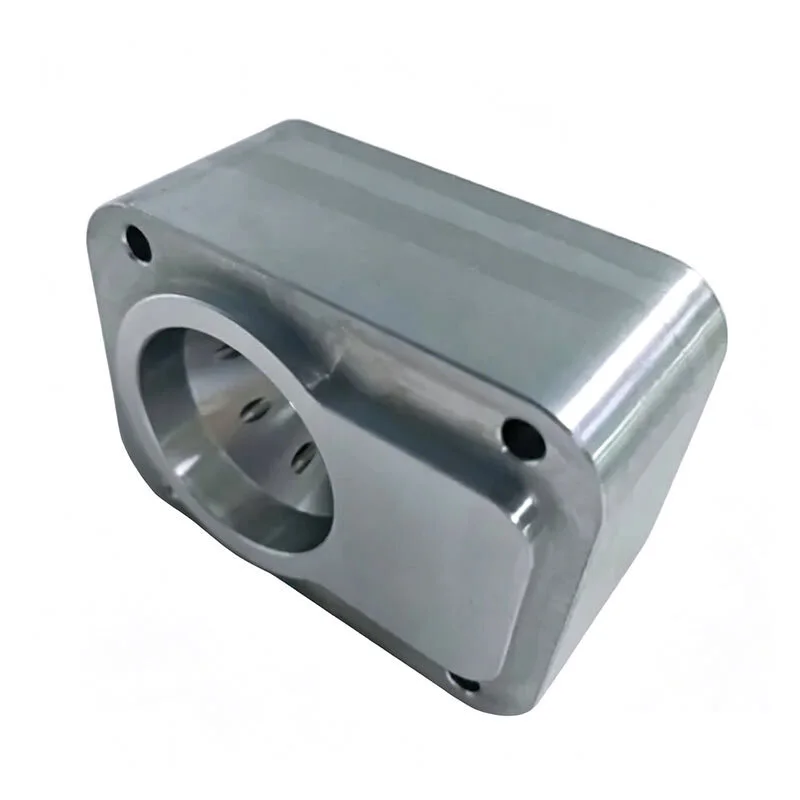
Semiconductor & Optics
Microscope Quad Lens Seals for Medical and Laboratory Use
View product →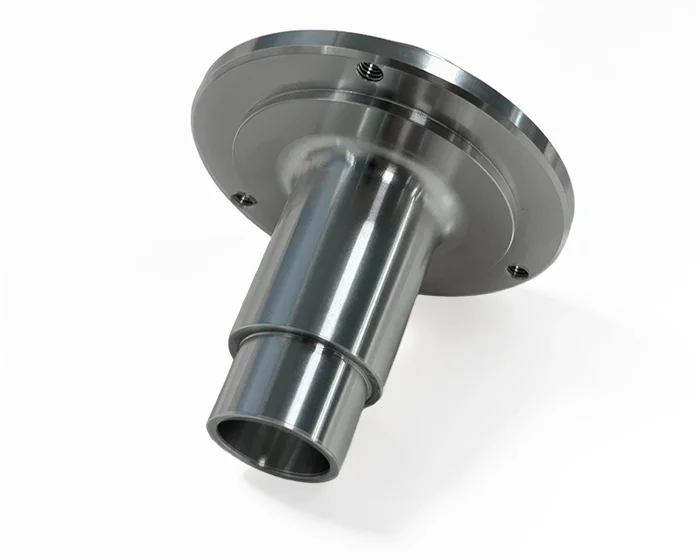
Semiconductor & Optics
OEM Custom CNC Precision Machining Semiconductors and Automation Part
View product →Ready to Machine This Part?
Send your 2D/3D drawings and get a quote within 24 hours. No MOQ for prototypes and small lots.
Request a Quote