Engineering Polymer Water System Components: PEI, PSU, PPSU, PTFE, PEEK
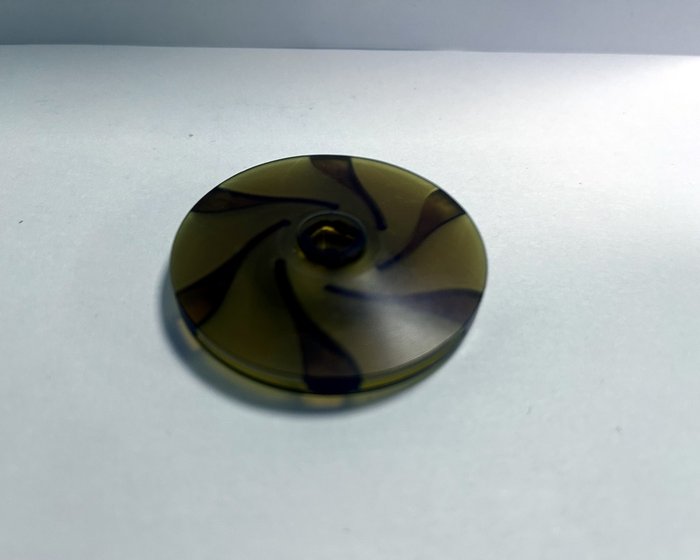
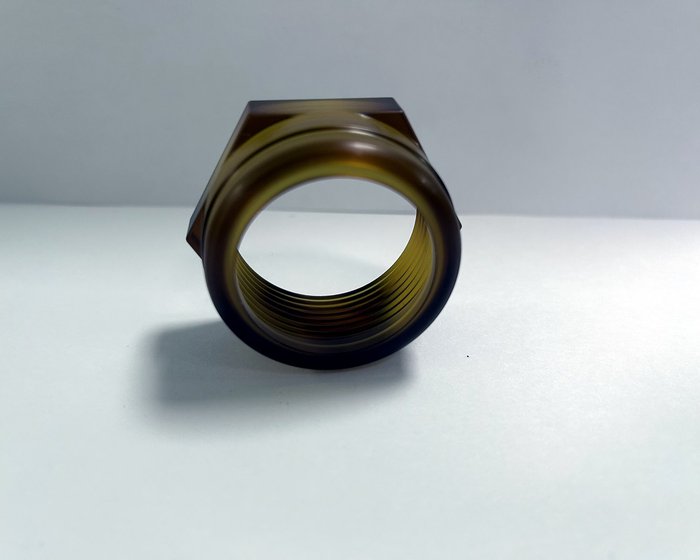
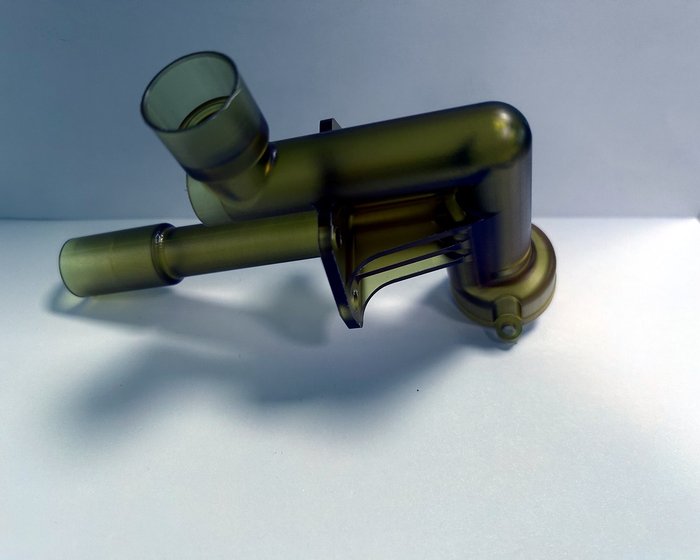
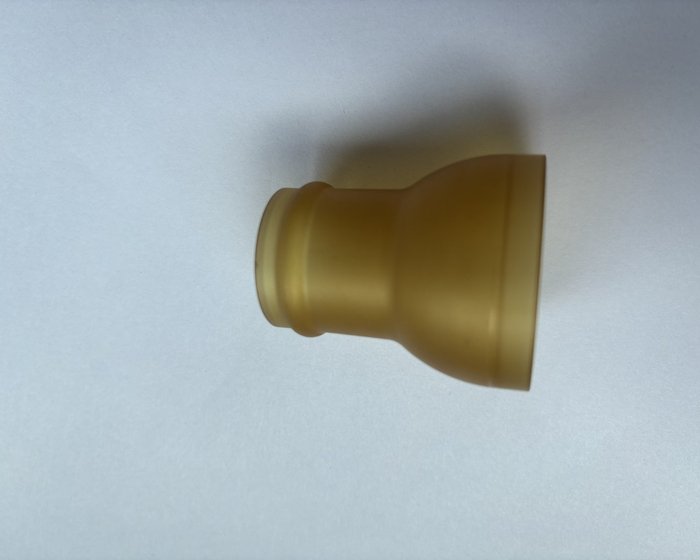
KGL machines PEI, PSU, PPSU, PTFE, PEEK and PVDF manifolds, valve bodies and pump covers for water systems, holding sealing faces within ±0.005 mm.
Water and chemical treatment systems spend their working life in contact with aggressive media, hot fluids, and sterilizing agents. Metals corrode in that service. Engineering polymers such as PEI, PSU, PPSU, PTFE, PEEK, and PVDF resist it, but they machine nothing like metal. They expand under cutting heat, creep under clamping force, and crack if the process is wrong. At KGL we machine polymer manifolds, valve bodies, and pump covers with sealing faces held within ±0.005 mm. This article covers the process rules that make that possible.
Why polymers punish metal-shop habits
PEI and its relatives expand several times more than metal at the cutting zone. Cut too fast and the surface melts. Cut too slow and the material tears. Small changes in rake angle and edge radius show up directly in the finish.
Sealing faces add another constraint. They must stay flat enough to hold pressure, and internal fluid channels must stay smooth enough that biofouling and sludge do not accumulate. A machined channel with a rough or torn surface becomes a place where deposits start.
The process route KGL uses
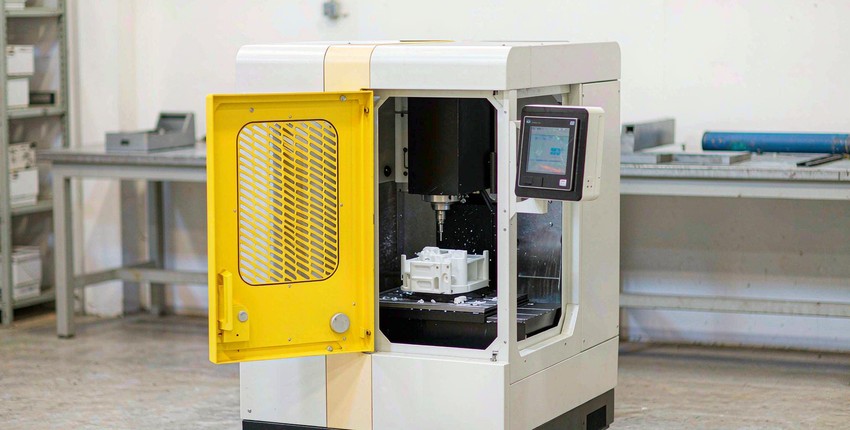
We cut these polymers with custom diamond-coated tooling, low-speed light-cut parameters, and compressed cold air cooling. The goal is to keep the cutting zone below the glass transition temperature so the material does not soften or stress-crack. A conformal flexible fixture spreads pressure evenly, which stops local creep under clamping.
Simultaneous 5-axis contouring cuts organic fluid channels, Y-junction branches, and spherical valve chambers with uniform wall thickness. 3+2 positioning drills and threads the bolt circles, connection ports, and O-ring grooves across multi-directional faces without re-fixturing, so seal faces, port alignments, and bolt patterns share one origin.
Roughing is followed by natural aging before finishing, which lets residual stress leave the part first. On our reference PEI program the accuracy gain was large: ±0.02 mm machined against ±0.1 mm printed, and surface finish below Ra 0.8 with no layer-bond leakage path. Stock for that program comes direct from Röchling in Germany, which cuts material cost 20 to 30 percent versus broker sourcing.
Sealing and geometry grades
| Attribute | Industry grade | KGL standard | KGL limit |
|---|---|---|---|
| Position tolerance (bolt circles / ports) | ±0.3 mm | ±0.02 mm | ±0.008 mm |
| Flatness and sealing face profile | ±0.08 mm | ±0.015 mm | ±0.005 mm |
| Coaxiality and bore alignment | ±0.05 mm | ±0.01 mm | ±0.005 mm |
| Angularity and perpendicularity | ±0.05 mm | ±0.015 mm | ±0.005 mm |
| Surface roughness (Ra) | 1.6 μm | 0.8 μm | 0.2 μm |
The full program write-up is in the polymer water system case study. Material selection guidance for high-performance plastics lives on our PEEK and engineering plastics page.
Materials and applications
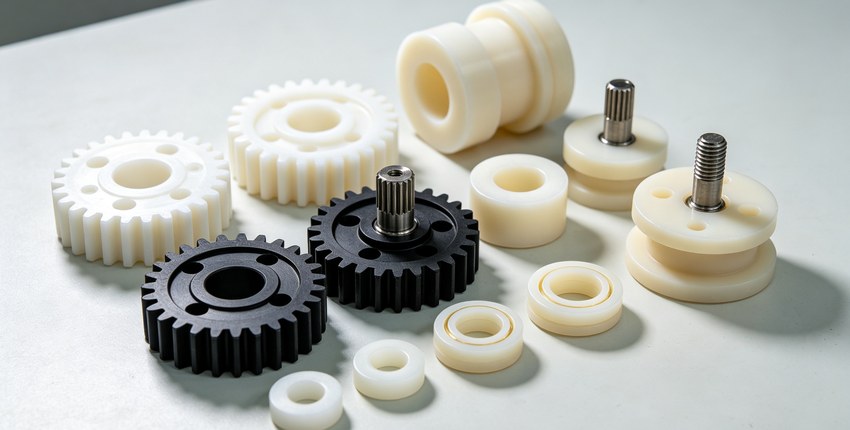
We machine PEI (ULTEM), polysulfone PSU, polyphenylsulfone PPSU, PTFE, PEEK, and PVDF, plus SUS316L and titanium Grade 5 hybrid inserts where a polymer body needs a metal wear or thread element.
Typical end uses are industrial wastewater treatment, water purification and membrane systems, chemical handling valves, and ultrapure water distribution.
What the cutting parameters look like on the floor
These polymers punish both heat and aggressive cutting. One wrong parameter and the part distorts, or the edge chips, and the piece is scrap. Roughing runs a professional multi-flute cutter at a reduced feed, so material comes off gently and residual stress stays low.
Finishing is the opposite trade: diamond-coated or PCD tooling at high spindle speed with a very light feed, making a final light pass that leaves a high-gloss surface and keeps the dimensions stable after the part leaves the fixture.
How we prove zero-defect sealing
Every sealed component goes through a dedicated leak-detection rig with purpose-built test fixtures made for that part family. A part only passes when the rig confirms the internal channels hold, which is how we ship these programs at a zero-defect target.
Frequently asked questions
Which polymer should I pick for hot chemical service?
PPSU and PEEK carry the highest continuous service temperatures. PEI and PSU are easier to machine and cover most wastewater media. Send the fluid, temperature, and pressure data and we will recommend a grade.
What flatness can you hold on a polymer sealing face?
Flatness within ±0.015 mm is our standard for polymer sealing faces, and ±0.005 mm is achievable with the right aging and finishing sequence.
Can you machine hybrid polymer parts with metal inserts?
Yes. We machine the polymer body and the SUS316L or titanium insert, then assemble or press them under controlled conditions so the metal thread or wear element stays where the design puts it.
Send your polymer part
If you have a PEI, PSU, PPSU, PTFE, or PEEK fluid component that needs flat sealing faces and clean internal channels, send your drawing to kgl@kglmfc.com. We will review the geometry and return a process plan and quote within 24 hours.
Related Articles
More from the Engineering Plastics series.
Have a project in mind?
Send drawings to kgl@kglmfc.com or request a quote. We respond within 24 hours.
Request a Quote