Inside KGL's Five-Axis Fleet: How 100+ CNC Machines Hold ±0.005mm
A walk through KGL's machine fleet: 11 Mazak five-axis centers, 20 turning machines, mill-turn lines, and how the fleet is organized around tolerance, not machine count.
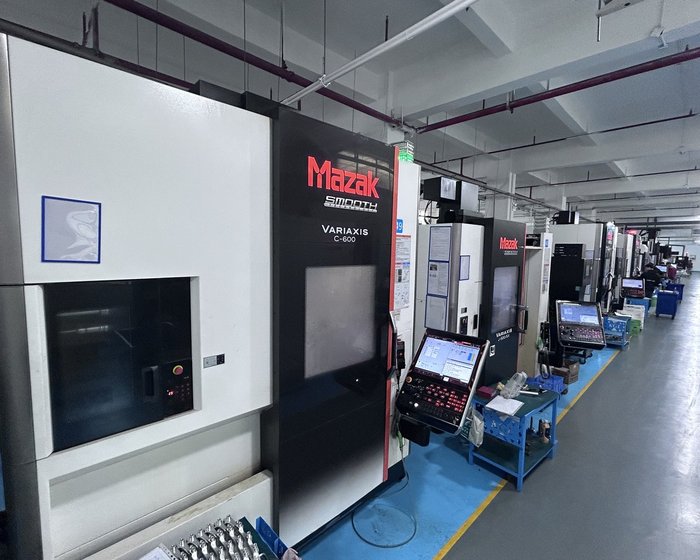
Machine counts get quoted in every supplier deck. What actually decides whether your part reaches tolerance is how the fleet is organized. Here is what our 100+ CNC machines look like from the shop floor, and why the eleven five-axis Mazak centers sit at the center of it.
The Fleet at a Glance
- 11 five-axis machining centers, Mazak VARIAXIS C-600 and j-500 class, for complex geometry in one setup.
- 20 CNC turning centers, including INTEGREX mill-turn machines for parts that mix round and prismatic features.
- 3+2 and 4-axis machining centers for housings, plates, and production runs.
- 40+ precision inspection instruments, including Hexagon and Zeiss CMMs rated at 0.0015 mm accuracy.
Full listings with travels and material ranges are public on our equipment page.
Why Five-Axis Is a Tolerance Decision
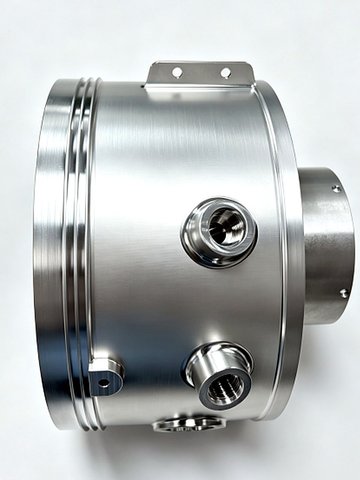
On a three-axis machine, a part with features on five faces needs three to five setups. Every re-clamp adds an error stack between feature systems. On a five-axis center the part is clamped once and the tool reaches nearly everything. For a housing with bores on four faces and a 0.01 mm position callout between them, one setup is the difference between a scrap rate of a few percent and a scrap rate near zero.
The C-600's 15,000 rpm spindle and 30-tool magazine matter mostly for cycle time. The rotary table's positioning accuracy matters for geometry. We buy machines for the second list first.
Thermal Discipline
Five-axis accuracy is earned on the shop floor, not in the brochure. Two habits do most of the work. First, warm-up cycles run before any critical cut, because spindle growth in the first 30 minutes can eat a 5-micron tolerance by itself. Second, thermal maps for each machine guide which tolerance class gets assigned to which machine. Our tightest geometric work runs on specific machines with known thermal behavior, not on whichever center is free.
One Workflow From CAM to CMM
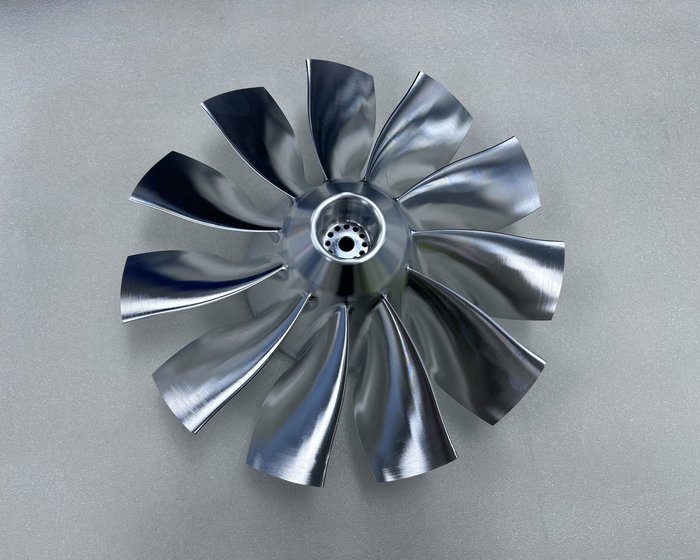
Programs are posted at the machine's exact kinematics, proven out in single-block, then released. Every batch starts with a first article measured on the CMM before the operator runs volume. MES tracking ties each piece to its machine, program revision, and inspection record. That is how a tolerance promised in a quote survives to the packing list. See our 5-axis machining capability page for geometry examples, or the inspection page for how verification works.
Capacity You Can Plan Around
Robotic and medical programs change fast, so expedited sampling and 7-day batch delivery are scheduled into the fleet, not squeezed in around it. Mazak machine specifications are public on the Yamazaki Mazak site if you want to compare travels and spindle options against your part.
Related Articles
More from the 5-Axis CNC Machining series.
Have a project in mind?
Send drawings to kgl@kglmfc.com or request a quote. We respond within 24 hours.
Request a Quote