ISO 13485 CNC Machining for Medical Devices: From Fixator to Endoscope
ISO 13485 certified CNC machining for medical devices: external fixator rods, endoscope tubes and housings in 316L, titanium and PEEK with tolerances down to ±0.005 mm.
Medical device components spend their working life inside a regulated chain. A fixator rod holds bone pins for weeks. An endoscope tube slides inside a patient. Regulators and auditors follow the part back to the machine that cut it. KGL machines both part families under ISO 13485:2016 (NQCC, cert 50526YY00027R000), and this article explains what that system actually changes on the shop floor.
What ISO 13485 means on a machining floor
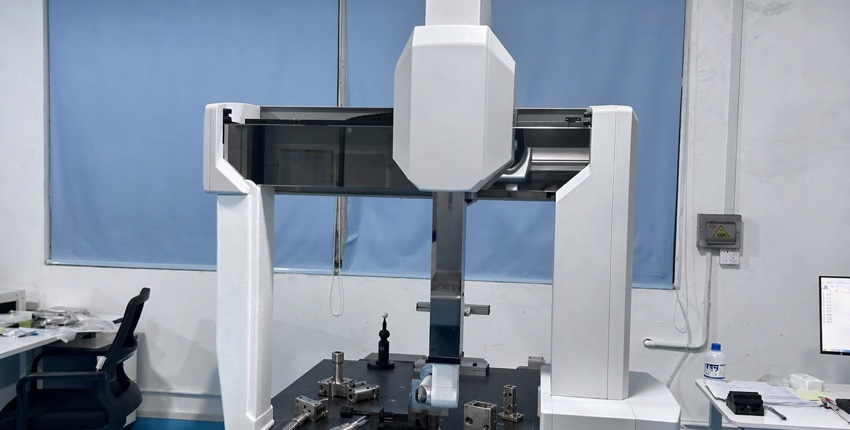
The visible difference is documentation. Every lot carries material certificates with lot numbers, so the alloy and its mill source are traceable to the finished part. First articles get FAI reports, and critical dimensions are confirmed on CMM. Stainless parts are passivated per ASTM A967, and parts are deburred and cleaned before inspection so nothing leaves the shop that could contaminate a device build.
The less visible difference is process control. A fixator bore and an endoscope channel are inspected to tighter limits because they are safety-relevant, and the inspection data is kept in the quality record, not thrown away after the lot ships.
External fixator components
Fixator frames are built from rods, clamps, hinge joints, and threaded connectors. KGL machines them from 7075-T6 aluminum, with 6061-T6 as the cost-sensitive option, to keep patient load manageable while the frame stays stiff enough to hold a fracture. Rod diameters run from 3 mm to 12 mm and lengths from 100 mm to 400 mm.
Pin holes and clamp bores are CMM-checked so rods, pins, and clamps fit without rework. The standard finish is bead blast plus black hard anodize at 25 to 40 μm, which cuts reflection under surgical lights and improves wear. We can reference ASTM F1541 dimensional and mechanical requirements on request.
Endoscope tubes and housings
| Attribute | Value |
|---|---|
| Materials | 316L stainless steel, titanium Grade 2 / Grade 5, PEEK |
| Tube OD range | 2 mm to 15 mm |
| Wall thickness | 0.15 mm to 1.0 mm |
| ID tolerance on instrument channels | ±0.005 mm |
| Concentricity | within 0.01 mm |
| Surface finish on optical bores | Ra 0.4 to 0.8 μm |
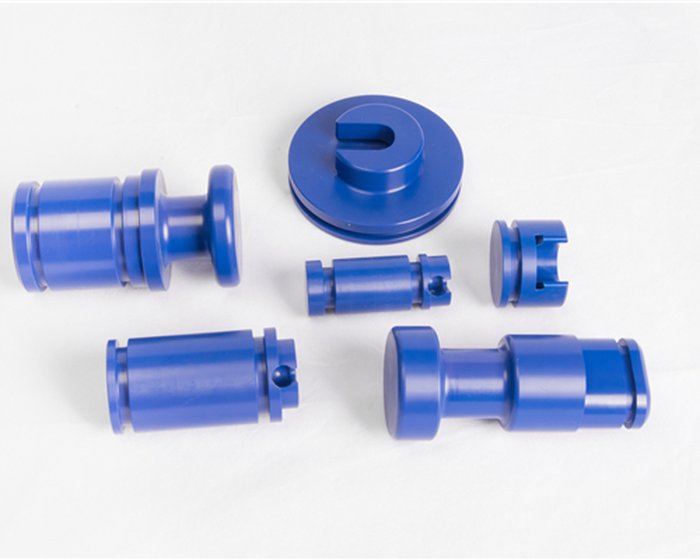
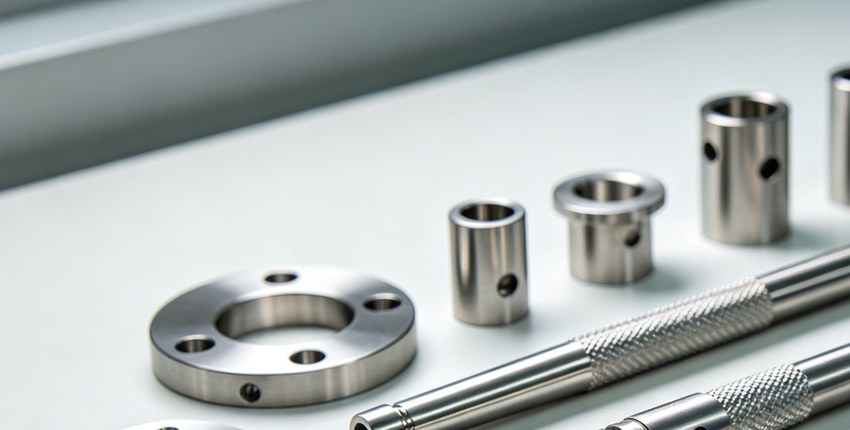
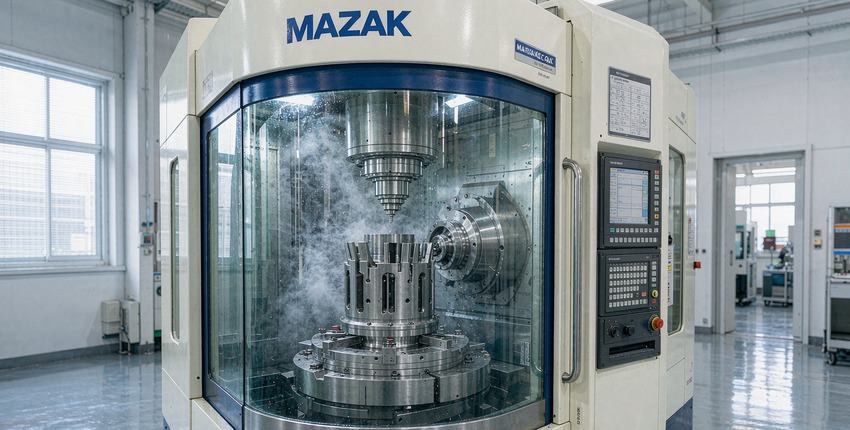
Endoscope tubes and instrument-channel bodies are turned and milled on turn-mill centers so the tube, channels, and ports finish in one setup. That is what keeps ID tolerance and concentricity tight on thin-wall sections. Material certificates and CMM reports are available for regulatory files. See the endoscope component product page and the external fixator product page for the full capability lists.
Deburring and cleaning: where medical parts are won
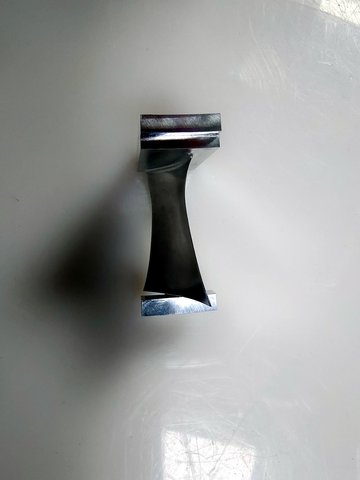
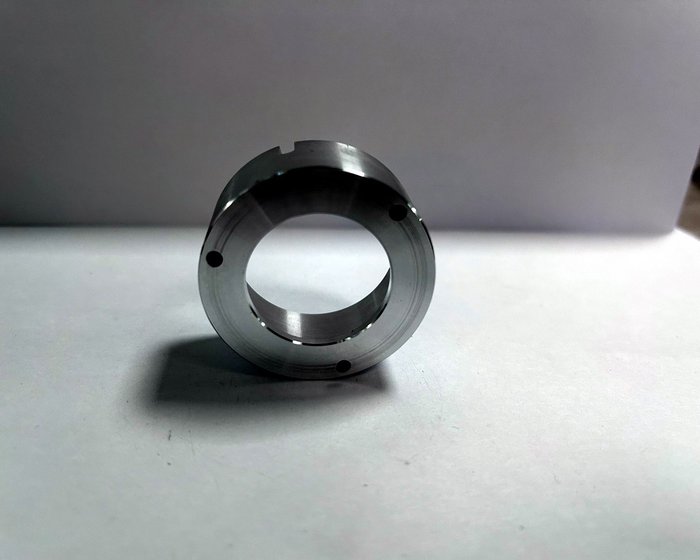
Medical customers judge these parts on appearance first, and burr residue is the one thing they will not negotiate on. Our answer starts with a dedicated PCD chamfering tool: 98.5 percent or more of all edges are chamfered on the machine itself. The few edges a cutter physically cannot reach are deburred by hand under a microscope at 1,000x magnification.
After deburring, parts are washed in purified water and packed inside a clean cabinet before shipment. Both our medical customers and the ISO 13485 auditors have singled out this routine for praise, because it is written into the work instructions and followed exactly, not improvised per shift.
Dimension control: the ballooned-drawing plan
We run medical programs on a ballooned-drawing control plan: every dimension on the customer drawing gets a numbered bubble, an assigned inspection method, and a lot-by-lot record. Nothing on the drawing is untracked, which is how we keep any abnormality from ever reaching a customer.
Frequently asked questions
Which medical materials do you machine?
316L stainless steel, titanium Grade 2 and Grade 5, and PEEK are the core medical set, plus 7075-T6 and 6061-T6 aluminum for device housings and fixator frames.
Can you really hold a 0.15 mm wall on an endoscope tube?
Yes, with controlled feeds and turn-mill workholding. We hold wall thickness down to 0.15 mm on 316L and titanium tubes, and ID tolerance within ±0.005 mm on instrument channels.
Do you supply certificates and inspection reports?
Yes. Material certificates with lot traceability, FAI reports, and CMM data are standard deliverables under our ISO 13485 quality system.
Medical device inquiry
If you are developing a fixator, endoscope, or another regulated device and need a machining partner, send your drawings to kgl@kglmfc.com. We will review the geometry and return a DFM assessment and quote within 24 hours.
Have a project in mind?
Send drawings to kgl@kglmfc.com or request a quote. We respond within 24 hours.
Request a Quote