CNC Machining for Medical Devices: Materials, Tolerances, and Quality
The materials, tolerances, and quality practices that define CNC machining for medical devices, from 316L and Ti-6Al-4V to ISO 13485 documentation, cleaning, and traceability.
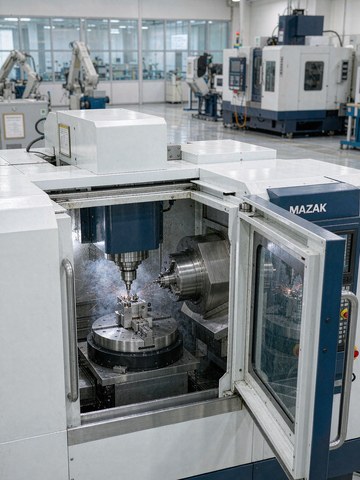
Medical device manufacturing demands a rare combination: micron-level precision, biocompatible materials, flawless surface quality, and strict documentation. From surgical instruments and device housings to diagnostic equipment components, CNC machining is the process of choice because it delivers the accuracy, repeatability, and material flexibility that medical regulations and clinical performance require.
1. Why medical devices rely on CNC machining
Precision and repeatability
Surgical instruments and diagnostic systems operate on very small scales, where a few microns can affect function and safety. CNC machining holds tight tolerances part after part, giving design teams the consistency their devices depend on.
Material flexibility
Medical devices use titanium, stainless steel, aluminum, and engineering plastics, each with specific machining behavior. A CNC partner with broad material experience can match the right material to each application.
Cleanliness and traceability
Medical parts must be free of contamination and fully traceable. Machining processes, cleaning, and documentation must all be controlled to support regulatory submissions and audits.
2. Common medical materials
Stainless steel
CNC stainless steel machining of 304, 316L, and 17-4 PH stainless steel is standard for surgical instruments, reusable tools, and device housings. These alloys offer strength, corrosion resistance, and compatibility with sterilization cycles.
Titanium
CNC titanium machining of Ti-6Al-4V serves surgical instruments and high-strength components where biocompatibility and strength-to-weight ratio matter. Titanium demands careful tooling and process control to machine cleanly.
Aluminum and engineering plastics
Aluminum provides lightweight housings and heat-dissipating components, while plastics such as PEEK and POM are used for insulators, handles, and disposable device parts. Material choice follows function, sterilization method, and regulatory requirements.
The table below summarizes common medical materials:
| Material | Typical use | Key properties |
|---|---|---|
| Stainless steel 304/316L/17-4 | Surgical instruments; reusable tools; housings | Corrosion resistance; sterilizable |
| Titanium Ti-6Al-4V | Surgical instruments; high-strength components | Biocompatible; high strength-to-weight |
| Aluminum 6061/6063 | Housings; heat-dissipating components | Lightweight; good thermal conductivity |
| PEEK / POM | Insulators; handles; disposable parts | Chemical resistance; electrical insulation |
3. Tolerances, finishes, and cleanliness
Micron-level tolerances
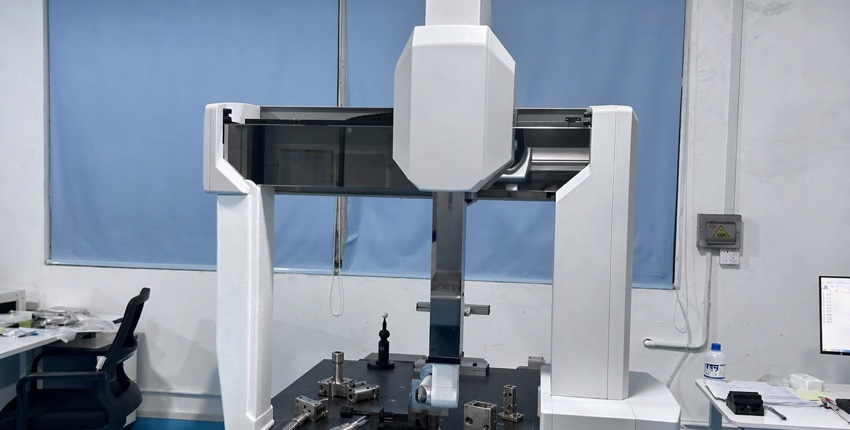
Medical parts often specify tolerances tighter than standard machining, such as ±0.005 mm on critical features. Achieving these consistently requires capable machines, in-process measurement, and controlled environments; see our medical machining page for the parts we regularly build.
Surface finishes and passivation
Smooth, burr-free surfaces reduce contamination and improve cleanability. Stainless parts are often passivated or electropolished after machining, and titanium parts may receive specific finishes to meet surface requirements.
Cleaning and packaging
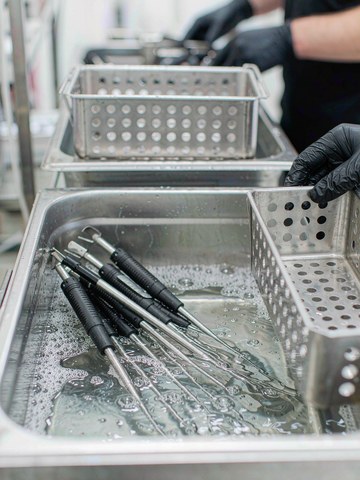
Medical components ship clean and protected. Deburring, ultrasonic cleaning, and appropriate packaging keep parts ready for validation or assembly, and the same steps must be documented for traceability.
4. Quality systems and compliance
ISO 13485 quality management
An ISO 13485-certified system ensures controlled processes for production, inspection, nonconformance, and corrective action, the framework medical customers and regulators expect. We explain what that means in practice in our ISO 13485 supplier guide.
Documentation and traceability
Material certificates, inspection reports, and process records link every part back to its inputs. This traceability supports device history records and regulatory submissions.
Prototyping for medical devices
Before committing to production, rapid prototyping lets you validate geometry, material, and assembly in real metals. CNC prototypes give medical teams production-equivalent parts for testing without waiting on tooling.
5. Our medical machining services
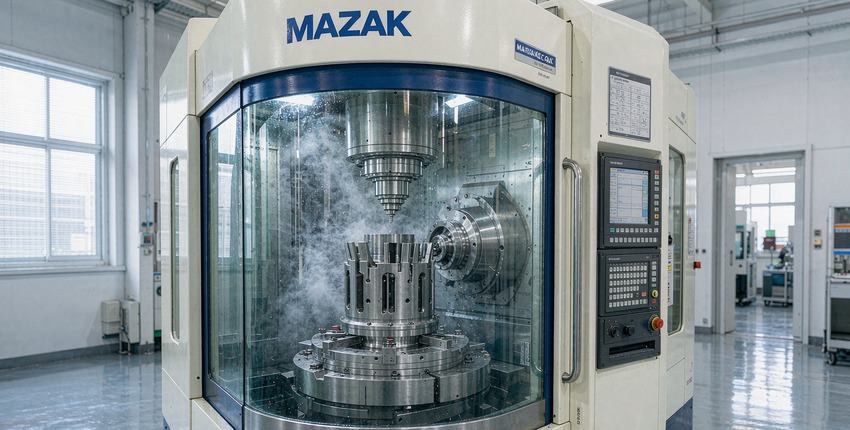
KGL combines ISO 13485 quality management, precision CNC milling and CNC turning capability, and experience across medical materials and finishes. Our CNC machining services support medical device development from first prototype to production batches, with the documentation your regulatory process requires.
Send us your drawings through the RFQ page to get a quote. You will receive free DFM feedback within 24 hours, plus material and process recommendations tailored to medical applications.
Related Articles
More from the Medical series.
Have a project in mind?
Send drawings to kgl@kglmfc.com or request a quote. We respond within 24 hours.
Request a Quote