Anodizing for CNC Machined Parts: Types I, II, and III Explained
Type I, II, and III anodizing compared for CNC machined parts: electrolyte, coating thickness, dimensional growth, masking, color matching, and what each choice does to tolerances and cost.
Anodizing shows up on almost every aluminum part we quote, and the type called out on the drawing decides more than the color. Specify the wrong one and you either pay for hard coating a decorative bracket, or you ship a wear part with a finish that scuffs inside a week. Worse, the coating changes your dimensions after machining, which surprises anyone who sized a press fit without planning for it. Here is how Type I, Type II, and Type III differ, what each does to your dimensions, and how we decide which one belongs on a drawing. For the wider finishing menu, see our surface treatment guide.
1. What anodizing actually does
Anodizing is an electrochemical process, not a coating that sits on top. The aluminum part goes into an acid electrolyte as the anode, and applied current grows a dense aluminum oxide layer out of the surface itself. Because the layer is a conversion of the base metal, it cannot peel or chip the way plating can. It resists corrosion, hardens the surface, and its pores accept dyes, which is why anodized parts come in colors. Since the layer grows after machining, it works on any geometry a mill or lathe can reach. Our aluminum machining guide covers the alloys this applies to, including 2219 which we keep in stock.
2. The three types, and what each one buys you
Type I uses a chromic acid electrolyte and builds a thin film of roughly 0.5 to 2 um. It gives solid corrosion protection with almost no dimensional change, which is why it has a long history on aerospace parts and tight-tolerance assemblies.
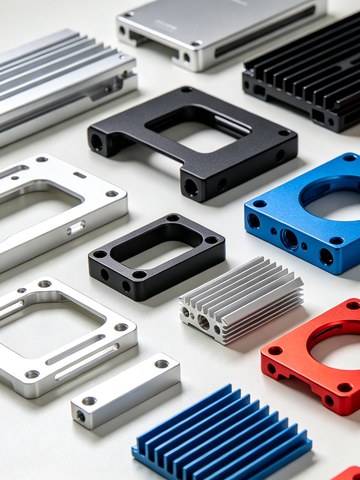
Type II uses a sulfuric acid electrolyte and builds roughly 2.5 to 25 um. It is the workhorse: good corrosion resistance, takes dyes well, and suits both decorative colored parts and general protection on housings and industrial components.
Type III, hard anodizing, uses a sulfuric bath run at low temperature and builds roughly 25 to 150 um. The surface turns extremely hard and wear resistant, which is what sliding, abrasive, and heavy duty parts need: pistons, gears, molds, and any aluminum component that lives against friction.
| Type | Electrolyte | Typical thickness | Key properties | Typical applications |
|---|---|---|---|---|
| Type I (chromic) | Chromic acid | 0.5 to 2 um | Thin, corrosion protection, minimal dimensional change | Aerospace components, tight-tolerance parts |
| Type II (sulfuric) | Sulfuric acid | 2.5 to 25 um | Decorative, dyeable, good corrosion resistance | Consumer products, housings, general parts |
| Type III (hard) | Sulfuric acid, low temperature | 25 to 150 um | Very hard, wear resistant | Pistons, gears, sliding components, molds |
3. What anodizing does to your dimensions
The oxide layer grows roughly half inward and half outward from the original surface. That means a Type III specification of 25 um adds about 25 um to a width or diameter, because the two opposing surfaces each move outward by half the coating. On a precision bore or a thread, that is the difference between a working fit and scrap.
The fixes are boring and effective, and we apply them at quoting time, not after a failed assembly. Critical bores, press fits, and threads get masked, or the pre-coat dimension is cut undersize so the grown layer lands on target. Ground sealing surfaces are finished after coating where the drawing allows. If your part needs to hold our standard plus or minus 0.005 mm after finishing, say so on the drawing and we will plan the coating into the tolerance chain. Our tolerance guide explains how we allocate tolerance across operations.
4. Choosing the right type
Match the type to the job. Decorative exterior parts and general protection: Type II. Aerospace or high integrity parts where tight tolerances and corrosion resistance matter more than hardness: Type I. Sliding, abrasive, or heavy duty service: Type III. When two requirements fight, tolerance usually wins the argument first.
Design details move the result more than buyers expect. Sharp edges build thinner coating and chip first, so a small radius pays for itself. Deep blind holes trap electrolyte and need special handling. Alloy matters too: 6061 and 6063 anodize more consistently than high copper alloys, and the same part anodized in 6061 versus 7075 can show a slightly different shade of the same dye. Batch color matching is easiest when the whole order runs in one coating batch in one alloy, which is how we schedule it.
Titanium anodizes too, by a different mechanism: the oxide color follows applied voltage, which is why titanium parts come out gold, blue, or purple without any dye. It is common on medical and aerospace titanium for identification and wear performance. See our titanium machining guide for the alloy side.
5. How we control finish quality
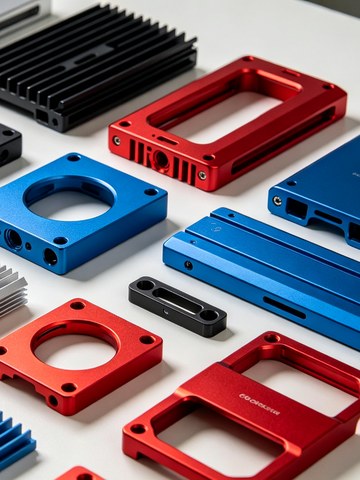
We machine the parts and manage the finishing chain under one order, so quality control does not fall between two suppliers. That means masking planned before coating, coating thickness sampled per lot, color judged against an approved sample rather than memory, and final dimension checks on features the drawing calls out. Every shipment carries its inspection paperwork under our ISO 9001:2015 system.
6. FAQ
Can you hold tight tolerance on an anodized part?
Yes, with planning. We either mask the critical features before coating, or machine them undersize so the grown layer lands on target. Critical bores and press fits get verified after coating, not just before.
Type II or Type III for my part?
Type II for decoration and general protection, Type III where parts slide, wear, or see abrasive duty. If the part also carries a tight fit, send us the callouts and we will price both routes with the masking cost shown.
Why did my color change slightly from the last order?
Alloy chemistry, dye bath condition, and coating thickness all shift shade. Same alloy, same batch, same sample reference keeps it consistent, which is why we coat whole orders in one batch where quantity allows.
Do you anodize parts you did not machine?
Our finishing chain exists to serve machined parts we produce, so quote us the machining too. One accountable order means one inspection trail from billet to finished color.
If you are weighing anodizing types on a live part, send your STEP or IGES models and 2D drawings to kgl@kglmfc.com or request a quote on our RFQ page. We will review the finish callouts against the tolerance stack and return a quote within 24 hours.
Have a project in mind?
Send drawings to kgl@kglmfc.com or request a quote. We respond within 24 hours.
Request a Quote