Materials
Alloy selection and material behavior guides across metals and polymers.
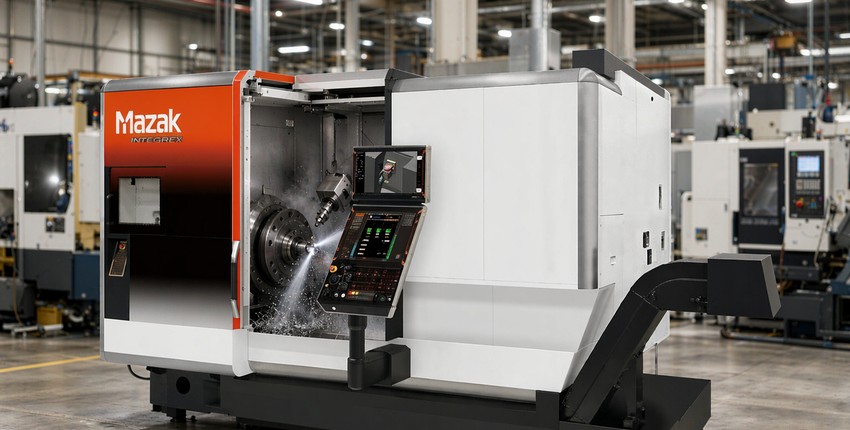
Machining Inconel 718: Speeds, Tools and Workholding That Work
Inconel 718 rewards rigid setups, sharp coated carbide and relentless feed discipline. Here is what actually decides tool life and size hold on a 718 job, from cutting speeds to workholding to the paperwork that ships with the parts.
materials · aerospace · cnc-turning · superalloy · tooling
Read more →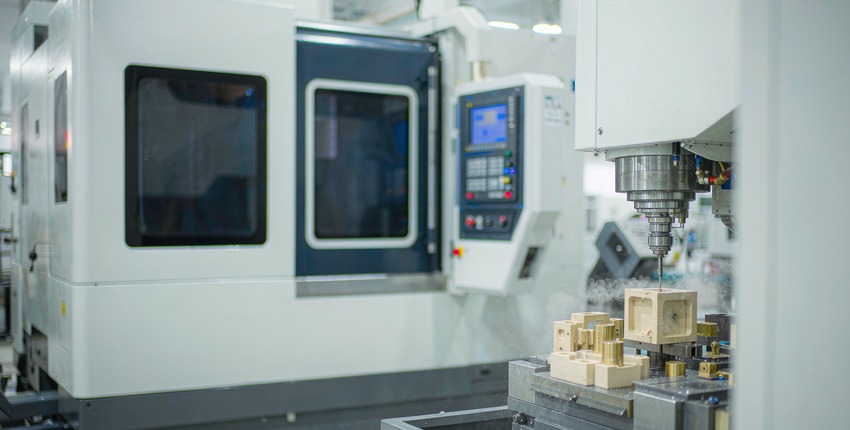
Machinable PEEK Grades: PEEK1000, Glass-Filled and ESD PEEK Explained
Unfilled PEEK1000, glass-filled and carbon-filled ESD grades machine differently and serve different parts. Here is how to pick the right PEEK grade and what changes on the shop floor for each.
peek · materials · esd · medical · semiconductor
Read more →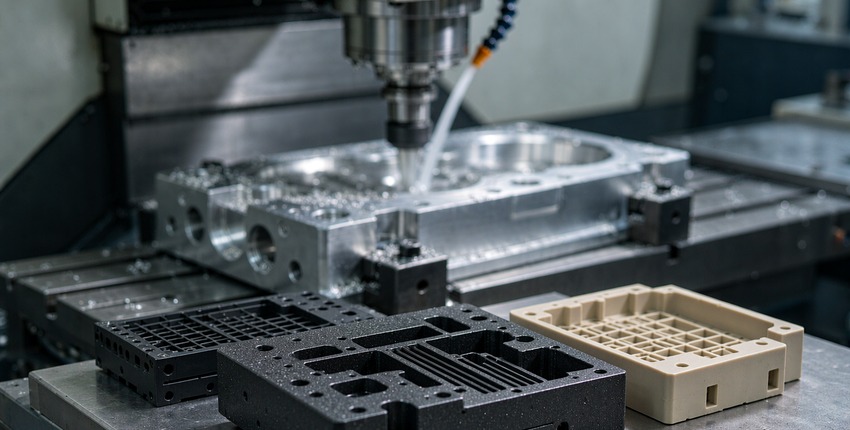
ESD Plastics for Semiconductor Fixtures: ESD225 vs Conductive Nylon
Static dissipative ESD225 and carbon-filled conductive nylon cover different resistivity bands and fail in different ways. Here is how to choose between them for wafer handling, test sockets and automation fixtures, and what changes on the machine.
esd-plastic · semiconductor · fixtures · materials · conductive-nylon
Read more →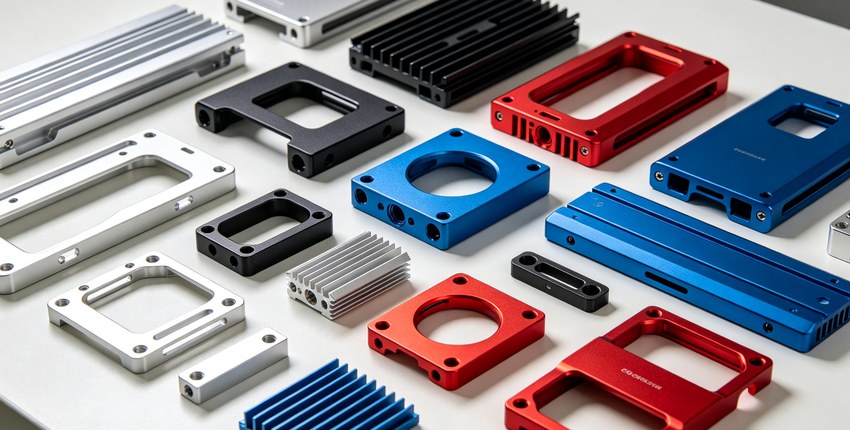
Anodizing for CNC Machined Parts: Types I, II, and III Explained
A DFM guide to anodizing for CNC machined aluminum parts: what Type I chromic, Type II sulfuric, and Type III hard anodizing do to dimensions, finishes, and budgets, from the shop that machines the parts first.
anodizing · surface-treatment · aluminum · hard-anodizing · cnc-machining
Read more →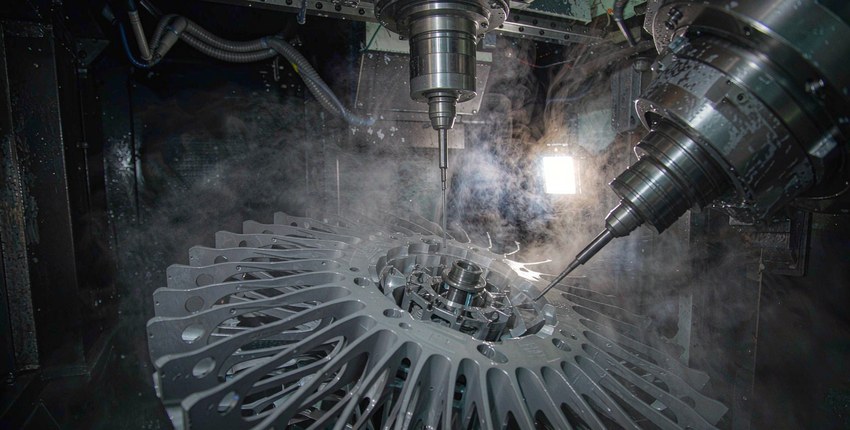
Why Titanium Is Hard to Machine, and What We Change to Cut It Well
Three properties make titanium expensive to cut: it carries almost no heat away, it work hardens and springs back, and it turns chemically hungry above 500 C. Here is what changes on the floor, and how the parts are verified.
titanium · ti-6al-4v · machining · materials · cnc-machining
Read more →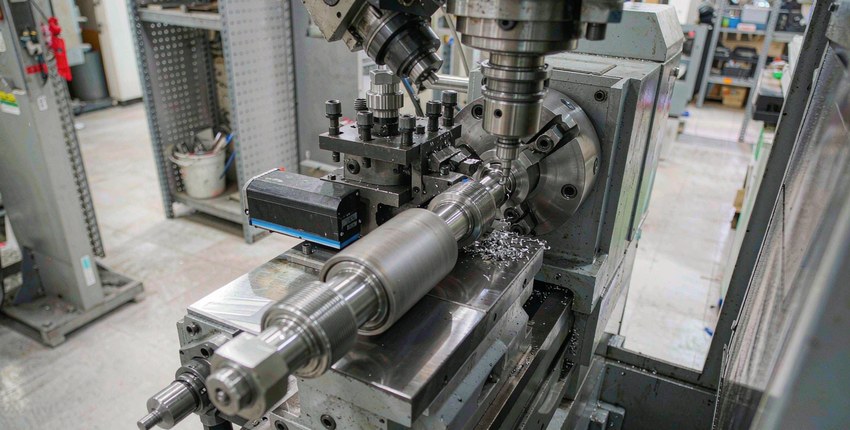
Stainless Steel 304 vs 316 for Machined Parts: What Actually Changes on the Shop Floor
A machinist's comparison of 304 and 316 stainless steel: what molybdenum buys, how the two grades cut differently, when 316L is worth it, and what the cost gap looks like on a real quote.
stainless-steel · 304 · 316 · materials · cnc-machining
Read more →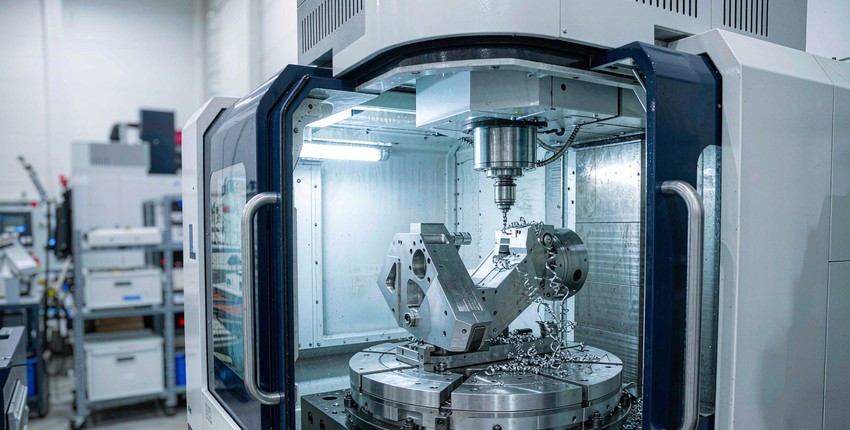
Aluminum vs Stainless Steel for Robot Parts: What We Machine and When
The property numbers that actually decide robot part material choice, how each alloy family behaves on our floor, and the routing we use for joints, housings, arms, and end effectors.
aluminum · stainless-steel · robotics · materials
Read more →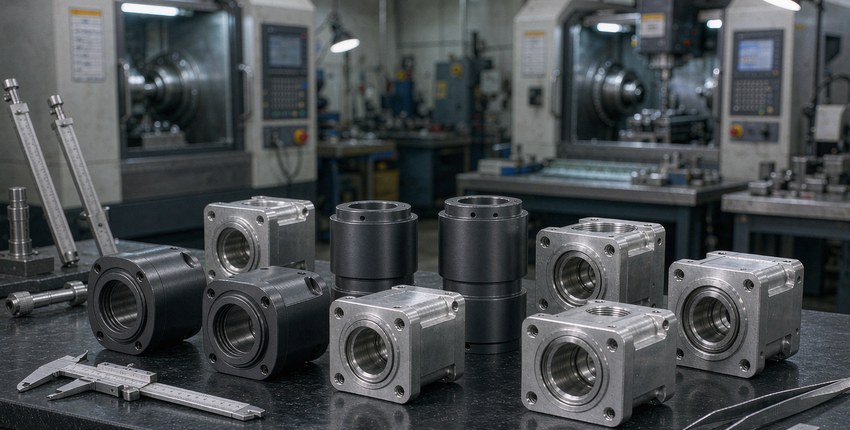
CNC Machining 7075 vs 6061 Aluminum: Choosing for Robot Arms
A robotics-focused comparison of 7075-T6 and 6061-T6: the numbers that matter for joint housings and arm links, the anodizing difference shops forget to warn you about, and a per-component selection table.
aluminum · 7075 · 6061 · robotics
Read more →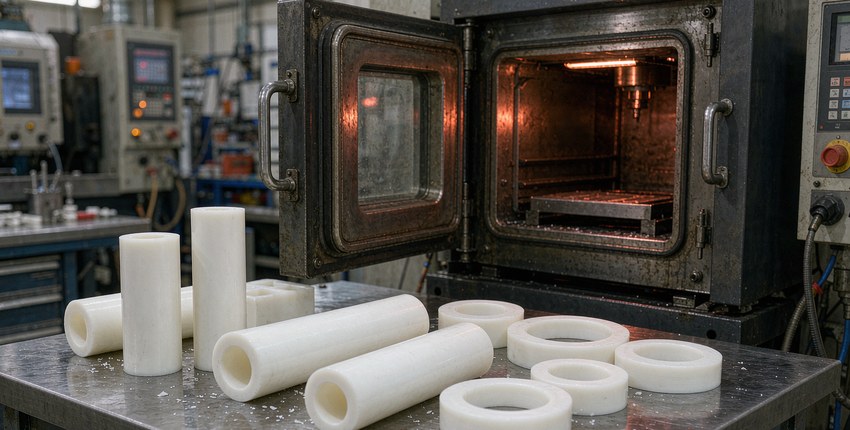
Why Does PEEK Warp After Machining and How Do We Prevent It?
The three stress sources behind PEEK warpage, the annealing and machining sequence we use to release them, and what to specify on your drawing so the part stays straight after it leaves our floor.
peek · plastics · warpage · stress-relief
Read more →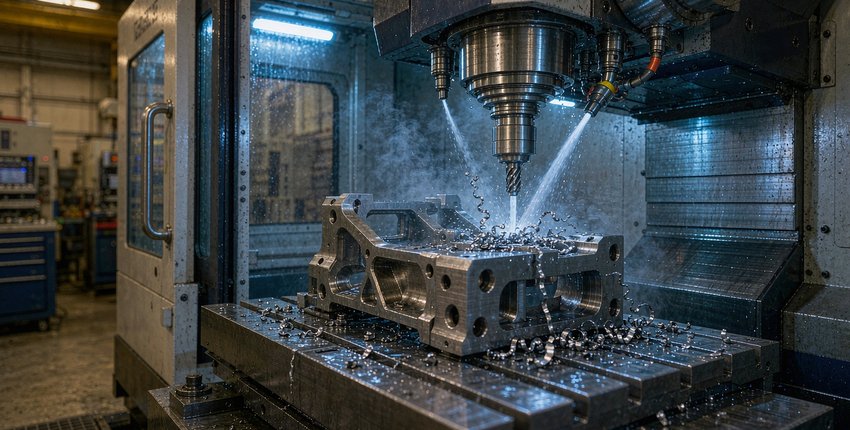
CNC Machining Titanium vs Aluminum: What the Numbers Decide
Titanium and aluminum machine differently because their numbers say so. A practical comparison of tool life, thermal drift, tolerances, and per-part cost.
titanium · aluminum · material-comparison · 5-axis
Read more →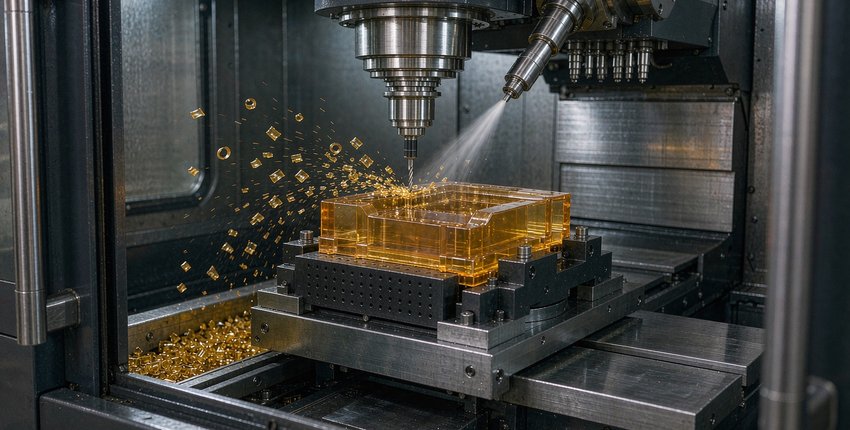
PEI ULTEM 1000 Machining Guide: Parameters, Tolerances, and Shop Practice
How to machine ULTEM 1000 without smearing, warping, or losing tolerance. Parameters, thermal budgeting, and a machined-vs-printed aerospace example.
PEI · ULTEM · polymer · machining-guide · aerospace
Read more →Need parts for this application?
Send drawings to kgl@kglmfc.com. Quote within 24 hours, no MOQ for prototypes.
Request a Quote