6061 vs 7075 vs Titanium: An Alloy Selection Guide for Machined Parts
How 6061-T6, 7075-T651, and Ti-6Al-4V compare for CNC machined parts: strength, corrosion behavior, machinability, and the part classes where each alloy wins.
Three alloys cover most of the RFQs we quote: 6061-T6 for general work, 7075-T651 when strength decides, and Ti-6Al-4V when the environment or the application leaves no substitute. Buyers often send drawings already labeled with one of the three, and the engineering review agrees most of the time. The disagreements are worth writing down, because they usually cost money in one direction or the other: titanium specified where 7075 would carry the load, or 6061 specified into a salt environment it cannot survive.
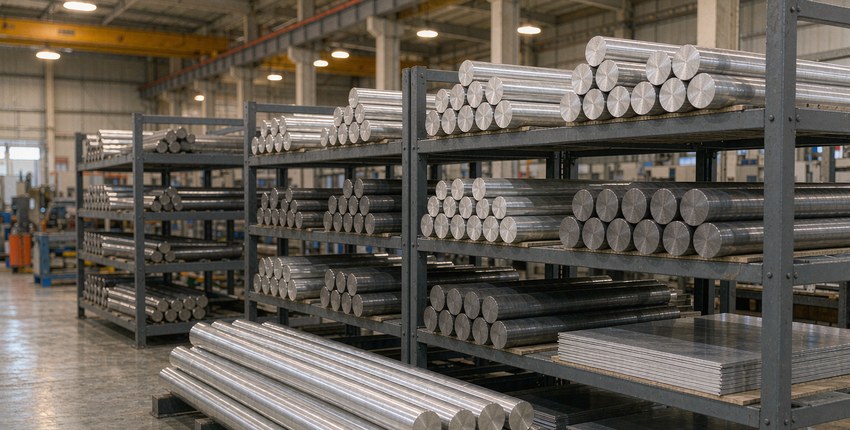
The numbers side by side
All values below are typical for the common tempers. Where a drawing calls out a specific standard, the mill certificate governs, not this table.
| Property | 6061-T6 | 7075-T651 | Ti-6Al-4V (Grade 5) |
|---|---|---|---|
| Tensile strength | 310 MPa | 572 MPa | 950 MPa |
| Yield strength | 276 MPa | 503 MPa | 880 MPa |
| Density | 2.70 g/cm3 | 2.81 g/cm3 | 4.43 g/cm3 |
| Corrosion resistance | excellent | fair, vulnerable to exfoliation | outstanding, passive oxide film |
| Weldability | excellent | poor, cracking risk | possible with full inert shielding |
| Machinability rating | good | very good | difficult |
| Relative material cost | 1x | 1.5-2x | 6-10x |
Two rows decide most selections. The strength row separates 6061 from 7075: at nearly double the yield, 7075 earns its cost on any part where weight and load meet. The machinability row separates both aluminums from titanium, because a difficult alloy changes cycle time, tooling, and scrap risk, and those show up in the unit price long before the material invoice does.
Where each alloy wins
6061-T6 is the default for fixtures, enclosures, manifolds, and brackets that see moderate load. It welds well, anodizes to a clean uniform finish, and machines fast with predictable tool life. On parts where the drawing leaves material open, this is where the quote usually lands.
7075-T651 carries the structural work: robotic arm links, aerospace fittings, clamping components, any part loaded near its limit. The trade-offs are corrosion and joining. Bare 7075 in a wet or salt environment exfoliates, so it needs coating discipline, and welding it is a repair in the making rather than a process. A common floor note: 7075 anodizes to a slightly grayer, less uniform color than 6061, which matters on cosmetic assemblies.
Ti-6Al-4V owns the applications the other two cannot touch: medical implants that need biocompatibility, components running above 150 C where aluminum loses strength, seawater service, and high fatigue-life parts. It also holds up against many chemicals that attack aluminum outright.
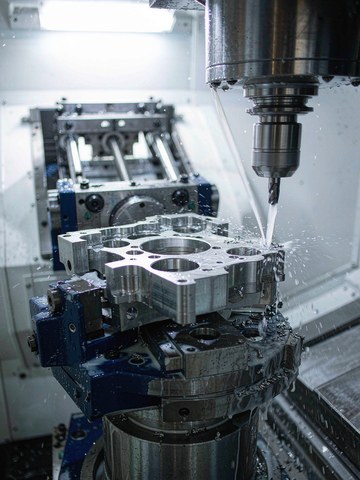
What each alloy does to the quote
Machinability is the hidden line item. The bands below come from our production data on the 100+ machines on the floor, including 11 five-axis centers.
| Parameter | 6061-T6 | 7075-T651 | Ti-6Al-4V |
|---|---|---|---|
| Typical cutting speed, carbide | 200-400 m/min | 150-300 m/min | 40-60 m/min |
| Tool life driver | built-up edge at high speed | chatter on long-reach work | heat at the cutting edge |
| Coolant requirement | standard flood | standard flood | high-pressure flood, never intermittent |
| Workholding sensitivity | low | moderate on thin walls | high, fixture marks show on finish passes |
| Scrap risk in production | low | low to moderate | moderate, plan rework time |
Titanium machining is not mysterious, it is disciplined. The heat has nowhere to go except into the tool, so the process runs lower speeds with firm feeds, keeps the tool engaged, and never lets the coolant stop. Shops that treat Ti-6Al-4V like slow aluminum produce burned edges and short tool life; shops that run it on purpose quote it honestly. Our titanium machining page lists the grades we stock and the process notes for each.
A decision table by part class
| Part class | First choice | Why |
|---|---|---|
| Fixtures, jigs, enclosures, manifolds | 6061-T6 | Fast machining, weldable, lowest cost |
| Robotic arm links, structural brackets | 7075-T651 | Yield strength nearly double 6061 at similar weight |
| Aerospace fittings, fatigue-critical parts | 7075-T651 or Ti-6Al-4V | Strength per kilogram and fatigue life |
| Medical implant or instrument contact parts | Ti-6Al-4V | Biocompatibility, passivation behavior |
| Marine or salt-spray service | 6061-T6 coated, or Ti-6Al-4V | 7075 excluded; titanium wins where coating cannot reach |
| Parts welded after machining | 6061-T6 | 7075 cracks, titanium needs full shielding |
| Service above 150 C | Ti-6Al-4V | Aluminum tempers soften with temperature |
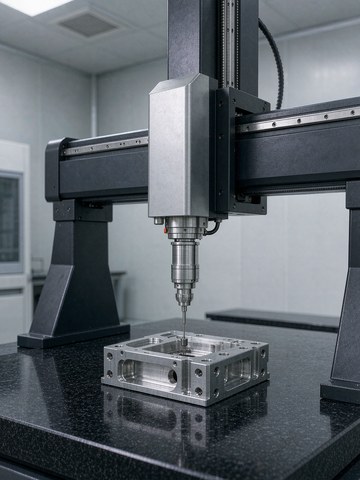
Before you lock the callout
Two checks settle most alloy questions in minutes. First, trace the load path: if the part survives at a quarter of its yield with margin, 6061 is the honest choice, and the drawing should say so. Second, trace the environment: condensation, washdown, salt, or process chemicals disqualify bare 7075 faster than any strength argument saves it. When the checks land in the middle, quote both; the price difference between 6061 and 7075 is smaller than most buyers expect at production quantities.
The materials library lists every alloy and polymer we run with machining notes, including the aluminum grades and their stock sizes. For parts crossing industries, the robotics and aerospace pages show which alloys each application class tends to specify. Send the drawing through the quote form with the load and environment noted, and the review will return the alloy recommendation with its reasoning alongside the price.
Frequently asked questions
Can 7075 replace 6061 everywhere for more margin?
Not everywhere. 7075 costs more, welds poorly, and corrodes in wet service without coatings. If the load path does not need the extra yield strength, the upgrade buys risk instead of margin.
Why does titanium cost so much more per part than the material price suggests?
Material is only part of it. Cutting speeds drop by a factor of five or more, tooling wears faster, and inspection plans grow, so the machining time and scrap allowance dominate the price difference.
Do you stock both 6061 and 7075 in plate and bar?
Yes, in the common tempers and a range of plate thicknesses, along with titanium bar in Grade 5. Stocked sizes move to the machine the day the order releases; exotic sizes add mill lead time.
Which alloy machines to the tightest tolerance?
7075 holds edges and thin walls slightly better than 6061 thanks to higher stiffness, and both outperform titanium in cycle time for the same band. Our standard quoted tolerance of plus or minus 0.005 mm is achievable in all three on the right geometry.
More Reference Guides
Charts and decision guides from the KGL engineering desk.
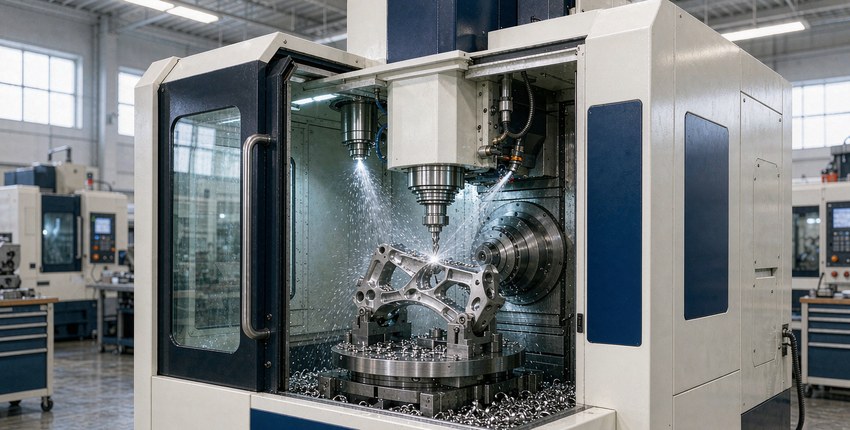
CNC Machining Tolerance Chart: IT Grades and What It Takes to Hold 0.005 mm
Read the reference →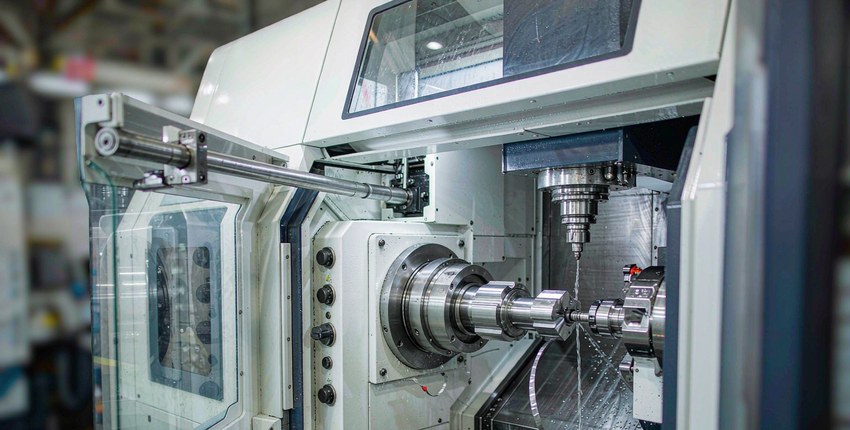
Surface Roughness Ra Chart: What Ra 0.4 to Ra 3.2 Means and What Each Finish Costs
Read the reference →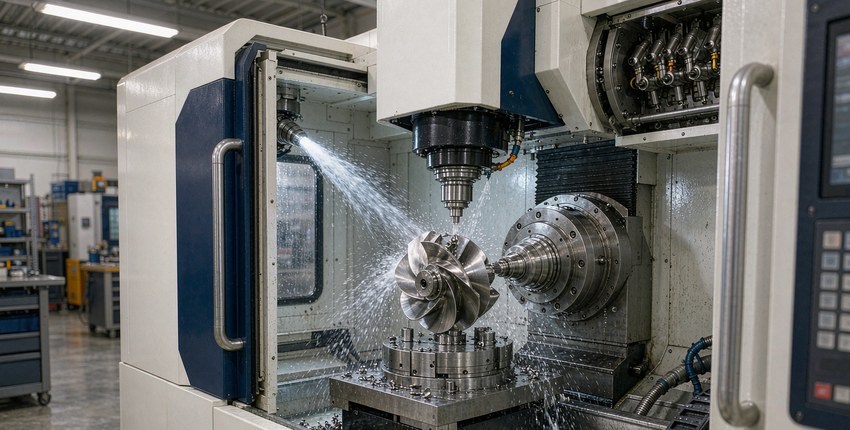
5-Axis vs 3-Axis CNC Machining: Cost, Setups, and When the Upgrade Pays
Read the reference →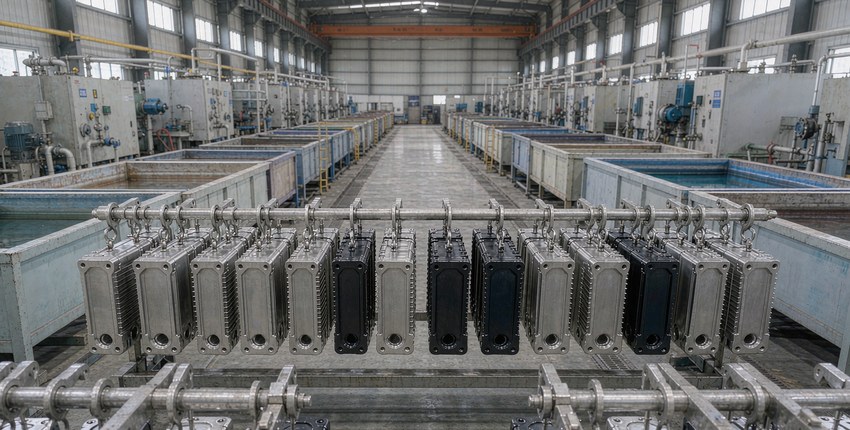
Anodizing vs Chem Film vs Electroless Nickel: Choosing a Finish for Machined Parts
Read the reference →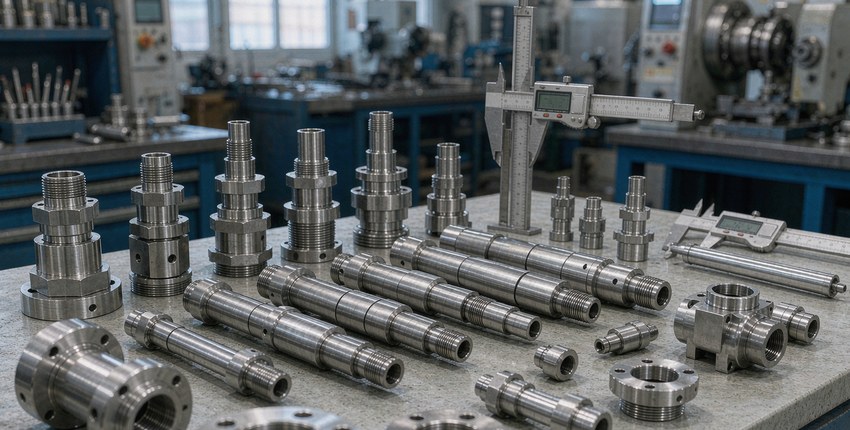
Stainless Steel 304 vs 316 vs 17-4PH: A Machining Perspective
Read the reference →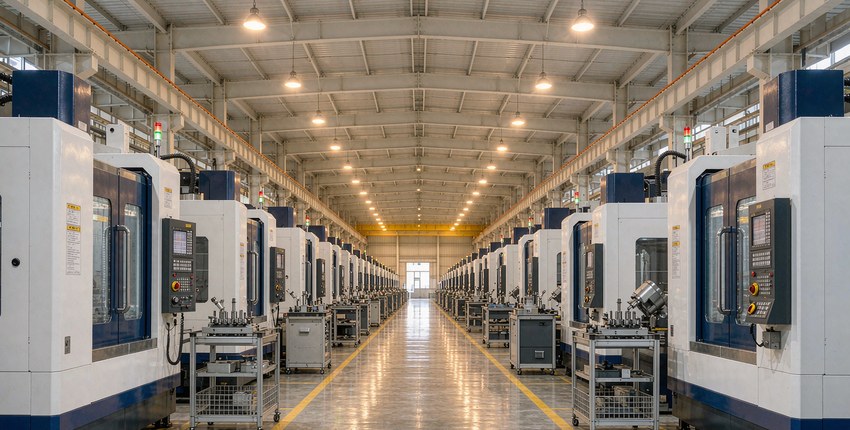
CNC Machining Cost Factors: What Actually Drives the Price
Read the reference →
CNC DFM Checklist: 15 Rules to Check Before You Send a Drawing
Read the reference →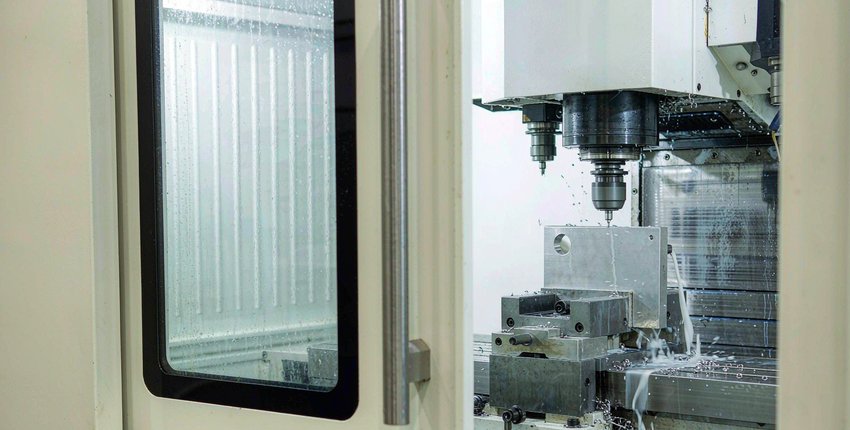
GD&T Basics for Machined Parts: Datums, Position, and What Actually Gets Measured
Read the reference →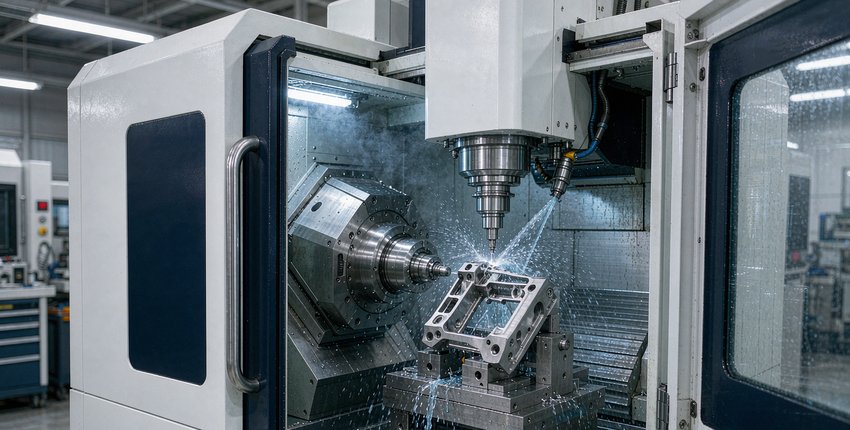
Tight-Tolerance Machining: The Five Steps Behind a 0.005 mm Result
Read the reference →Have a drawing to check?
Send it to kgl@kglmfc.com or request a quote. Engineering review responds within 24 hours.
Request a Quote